THE ADVENTURE COLLECTIVE® · Independent discovery and booking for outdoor travel

Learn to roll, sear and season in a 3-hour hands-on sushi class in Boston that includes a full four-course Japanese meal. Perfect for beginners and food lovers, the workshop pairs practical technique with immediate tasting.
Learn to roll, sear and season in a 3-hour hands-on sushi class in Boston that includes a full four-course Japanese meal. Perfect for beginners and food lovers, the workshop pairs practical technique with immediate tasting.
The room smells of warm rice and hot oil as the instructor demonstrates the clean, practiced motion of rolling sushi. Light from the kitchen window catches flecks of sesame and the sheen on fresh fish while participants move from station to station—steaming miso simmering on the side, tempura batter resting in a bowl, and a pan sizzling for crispy rice.
Verified experiences and guided adventures in the surrounding area.
Operated by Cozymeal Cooking Classes · Boston, Massachusetts
The room smells of warm rice and hot oil as the instructor demonstrates the clean, practiced motion of rolling sushi. Light from the kitchen window catches flecks of sesame and the sheen on fresh fish while participants move from station to station—steaming miso simmering on the side, tempura batter resting in a bowl, and a pan sizzling for crispy rice.
Boston’s food scene has absorbed waves of immigrant and local culinary innovation; sushi moved from specialty counters to neighborhood restaurants here during the late 20th century, and today classes like this distill techniques for home cooks. The class covers essential skills—seasoning sushi rice, hand-rolling maki, tempura batter technique and creating a pan-seared crispy rice—while also touching on ingredient sourcing and simple flavor balance.
Located in a centrally accessible Boston venue, the experience suits both beginners and cooks with prior knife experience. Groups run up to 50, but instruction is tailored and hands-on: expect demonstrations followed by guided practice and plated tasting of four courses.
Practical notes: arrive 10–15 minutes early, disclose allergies in advance, and wear closed-toe shoes—the floor can get slippery. Non-alcoholic beverages are provided and outside drinks aren’t permitted. If sustainable seafood is a priority, ask the host which suppliers they use; many Boston venues can recommend responsible choices.
This class blends practiced technique with immediate reward: you leave with recipes, a few new skills and a four-course meal you helped create—ready to recreate at home with confidence.
easy.
3 hours.
Minimal physical exertion; participants should be able to stand comfortably for the session's length.
Yes—hosts ask for dietary requirements in advance and will adjust courses where possible (vegetarian and some allergies can be handled with notice).
Yes; the listing indicates wheelchair access for all areas and accessible transportation options where applicable.
Age requirements vary; bookings request an age band—check the provider's policy when reserving, as minors may need adult supervision.
Gratuities are not always included; if you enjoyed the session a 10–20% tip is a considerate way to recognize excellent instruction and service.
Sushi became widely popular in Boston during the late 20th century as local chefs blended Japanese technique with New England seafood; the city’s Chinatown also helped introduce Asian ingredients and dining culture.
Ask about the venue’s seafood sourcing and favor suppliers who use sustainable fisheries; minimizing food waste and using leftovers reduces the carbon footprint of a cooking class.
Cozymeal Cooking Classes operates guided outdoor trips and adventures with an emphasis on safety, stewardship, and memorable experiences.
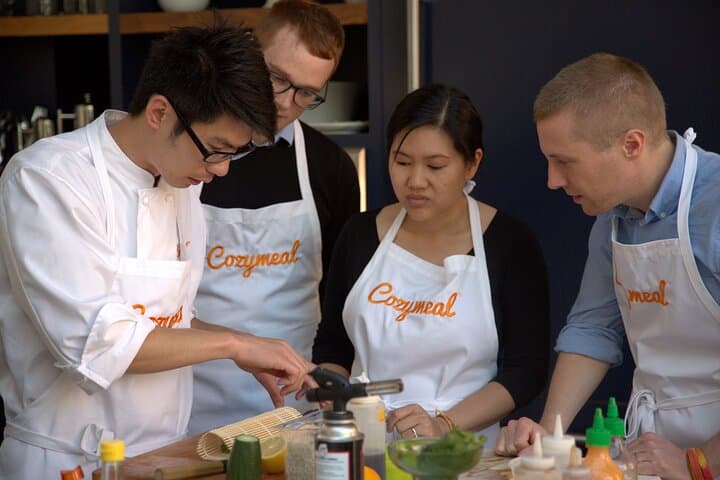
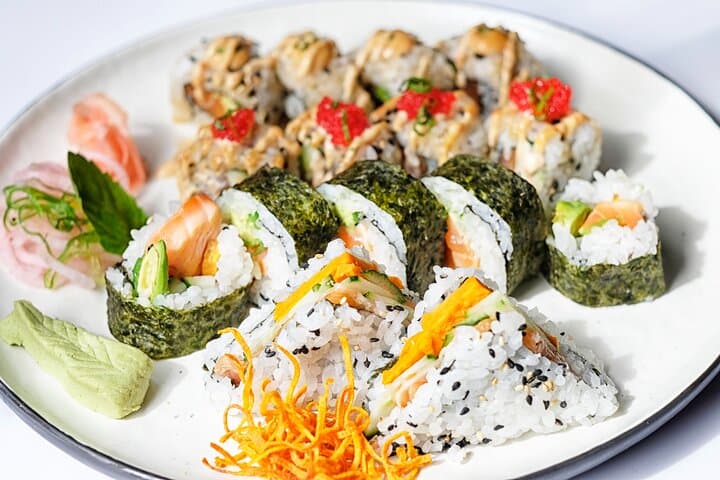
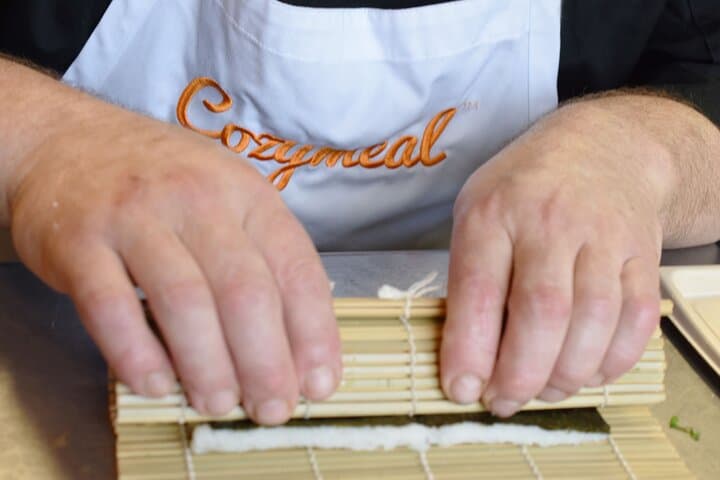
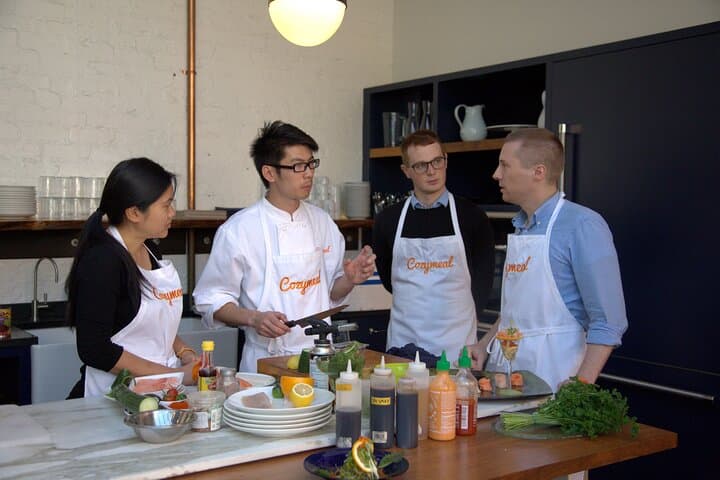
The room smells of warm rice and hot oil as the instructor demonstrates the clean, practiced motion of rolling sushi. Light from the kitchen window catches flecks of sesame and the sheen on fresh fish while participants move from station to station—steaming miso simmering on the side, tempura batter resting in a bowl, and a pan sizzling for crispy rice.
The room smells of warm rice and hot oil as the instructor demonstrates the clean, practiced motion of rolling sushi. Light from the kitchen window catches flecks of sesame and the sheen on fresh fish while participants move from station to station—steaming miso simmering on the side, tempura batter resting in a bowl, and a pan sizzling for crispy rice.
Boston’s food scene has absorbed waves of immigrant and local culinary innovation; sushi moved from specialty counters to neighborhood restaurants here during the late 20th century, and today classes like this distill techniques for home cooks. The class covers essential skills—seasoning sushi rice, hand-rolling maki, tempura batter technique and creating a pan-seared crispy rice—while also touching on ingredient sourcing and simple flavor balance.
Located in a centrally accessible Boston venue, the experience suits both beginners and cooks with prior knife experience. Groups run up to 50, but instruction is tailored and hands-on: expect demonstrations followed by guided practice and plated tasting of four courses.
Practical notes: arrive 10–15 minutes early, disclose allergies in advance, and wear closed-toe shoes—the floor can get slippery. Non-alcoholic beverages are provided and outside drinks aren’t permitted. If sustainable seafood is a priority, ask the host which suppliers they use; many Boston venues can recommend responsible choices.
This class blends practiced technique with immediate reward: you leave with recipes, a few new skills and a four-course meal you helped create—ready to recreate at home with confidence.