THE ADVENTURE COLLECTIVE® · Independent discovery and booking for outdoor travel

In a small Las Vegas teaching kitchen, learn sushi rice, rolling, and hibachi techniques across a four-course menu. This hands-on two-hour class balances practical skills with an immediate payoff: a meal you helped create.
In a small Las Vegas teaching kitchen, learn sushi rice, rolling, and hibachi techniques across a four-course menu. This hands-on two-hour class balances practical skills with an immediate payoff: a meal you helped create.
You step into a compact teaching kitchen off the Strip where oil hisses like a small storm and the scent of toasted sesame cuts through the neon hum. Stations are set for eight guests; a chef gestures to bowls of pearly sushi rice and a mound of thinly sliced salmon, promising both structure and theatre.
Verified experiences and guided adventures in the surrounding area.
Operated by Cozymeal Cooking Classes · Las Vegas, Nevada
You step into a compact teaching kitchen off the Strip where oil hisses like a small storm and the scent of toasted sesame cuts through the neon hum. Stations are set for eight guests; a chef gestures to bowls of pearly sushi rice and a mound of thinly sliced salmon, promising both structure and theatre.
The class pairs two Japanese culinary threads: sushi—centuries-old rice-and-fish craft—and hibachi-style teppanyaki, a postwar adaptation popularized across America. In Las Vegas, a city known for culinary spectacle, intimate workshops like this strike a different chord: technique over theatrics. Expect a four-course menu that moves from a sesame-dressed cucumber salad to a salmon-avocado roll, hibachi fried rice with shrimp, and a playful taiyaki dessert.
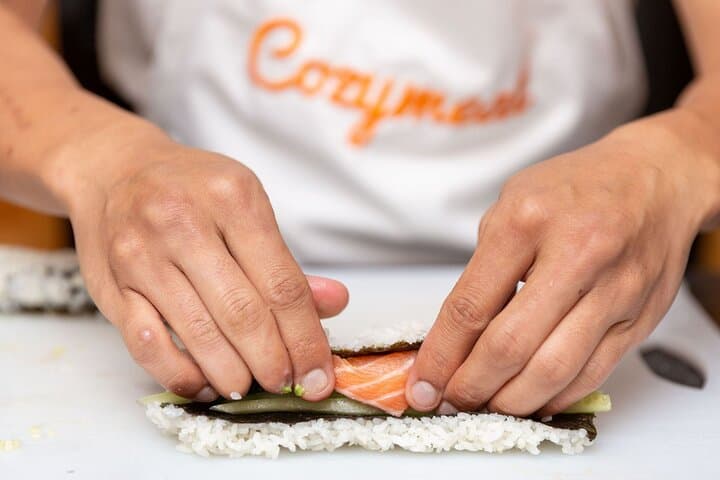
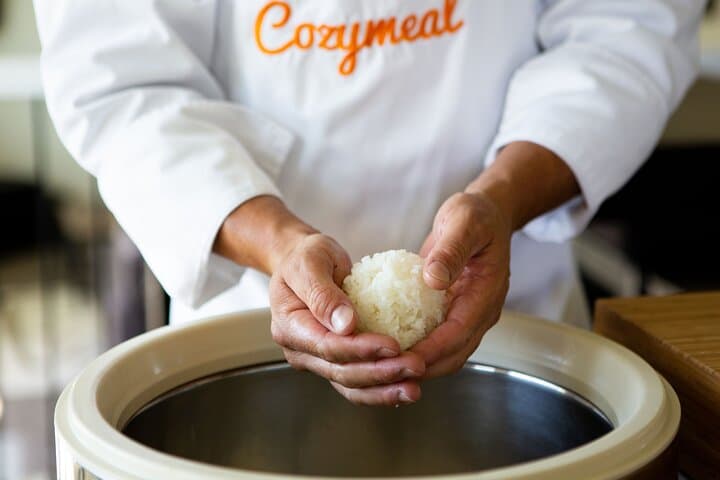
Beyond recipes, instructors cover foundational skills—seasoning sushi rice, controlling heat on a flat-top, and safe rolling techniques—which translate to home kitchens. The class is tactile: you’ll shape rice, roll nori, and man a hot griddle under guidance. Bring curiosity and appetite; the hands-on portions plus shared plating mean you both learn and eat.
Practical notes: arrive on time for the rice briefing, disclose allergies ahead of booking, and wear closed-toe shoes. Photos are usually welcome but follow the chef for timing. For first-timers the class demystifies basic knife work and rice handling; for repeat cooks it’s a tight, useful refresher in technique and timing.
easy.
2 hours.
No special fitness required; standing and light food-prep activity for the session length.
Yes—most cooking classes supply knives, mats, and communal tools; bring only a small personal knife if you prefer, after confirming with the host.
Vegetarian options are often possible but must be requested when booking so the chef can adjust the menu and ingredients.
No—this class is designed for beginners and intermediate cooks; instructors cover foundational skills like rice seasoning and rolling technique.
Alcohol is not listed as included; check with the booking provider for options or bring your own if permitted.
Sushi and teppanyaki arrived in North America with 20th-century immigration and evolved into many regional styles; Las Vegas later became a hub for chefs who blend showmanship with traditional technique.
Ask about responsible seafood sourcing—reputable hosts will note where fish are sourced; minimizing food waste and single-use plastics is encouraged during classes.
Cozymeal Cooking Classes operates guided outdoor trips and adventures with an emphasis on safety, stewardship, and memorable experiences.

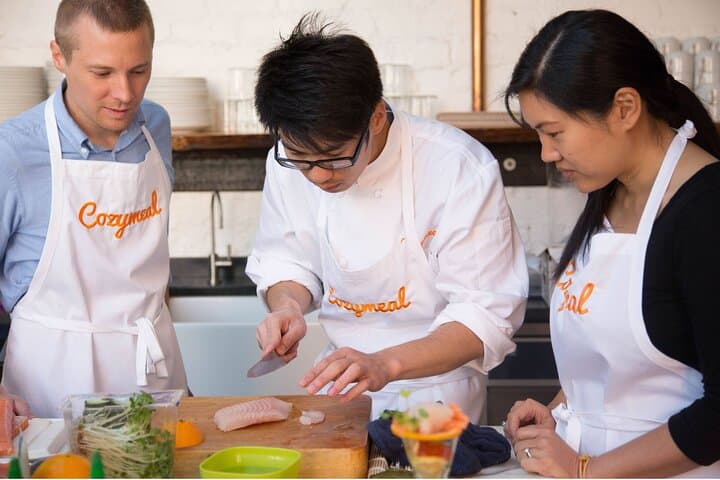
You step into a compact teaching kitchen off the Strip where oil hisses like a small storm and the scent of toasted sesame cuts through the neon hum. Stations are set for eight guests; a chef gestures to bowls of pearly sushi rice and a mound of thinly sliced salmon, promising both structure and theatre.
You step into a compact teaching kitchen off the Strip where oil hisses like a small storm and the scent of toasted sesame cuts through the neon hum. Stations are set for eight guests; a chef gestures to bowls of pearly sushi rice and a mound of thinly sliced salmon, promising both structure and theatre.
The class pairs two Japanese culinary threads: sushi—centuries-old rice-and-fish craft—and hibachi-style teppanyaki, a postwar adaptation popularized across America. In Las Vegas, a city known for culinary spectacle, intimate workshops like this strike a different chord: technique over theatrics. Expect a four-course menu that moves from a sesame-dressed cucumber salad to a salmon-avocado roll, hibachi fried rice with shrimp, and a playful taiyaki dessert.
Beyond recipes, instructors cover foundational skills—seasoning sushi rice, controlling heat on a flat-top, and safe rolling techniques—which translate to home kitchens. The class is tactile: you’ll shape rice, roll nori, and man a hot griddle under guidance. Bring curiosity and appetite; the hands-on portions plus shared plating mean you both learn and eat.
Practical notes: arrive on time for the rice briefing, disclose allergies ahead of booking, and wear closed-toe shoes. Photos are usually welcome but follow the chef for timing. For first-timers the class demystifies basic knife work and rice handling; for repeat cooks it’s a tight, useful refresher in technique and timing.