THE ADVENTURE COLLECTIVE® · Independent discovery and booking for outdoor travel

Learn sushi rice, rolling technique and balanced flavors in a hands-on Seattle kitchen. This 4-course cooking class walks beginners through spring rolls, a salmon-avocado roll, garlic noodles and a matcha float.
Learn sushi rice, rolling technique and balanced flavors in a hands-on Seattle kitchen. This 4-course cooking class walks beginners through spring rolls, a salmon-avocado roll, garlic noodles and a matcha float.
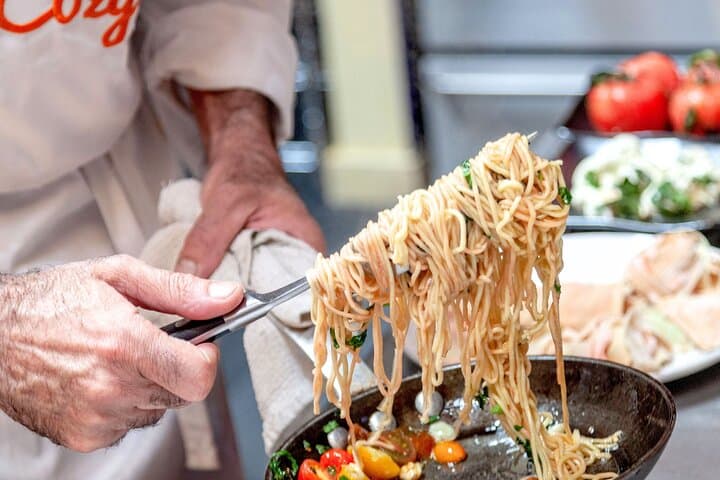
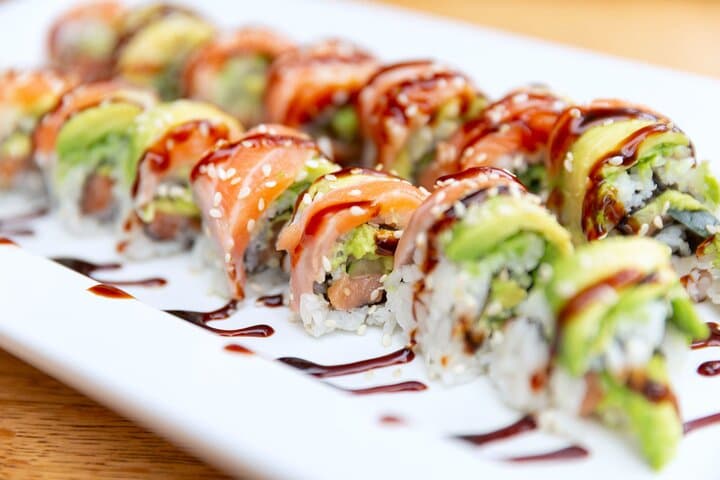
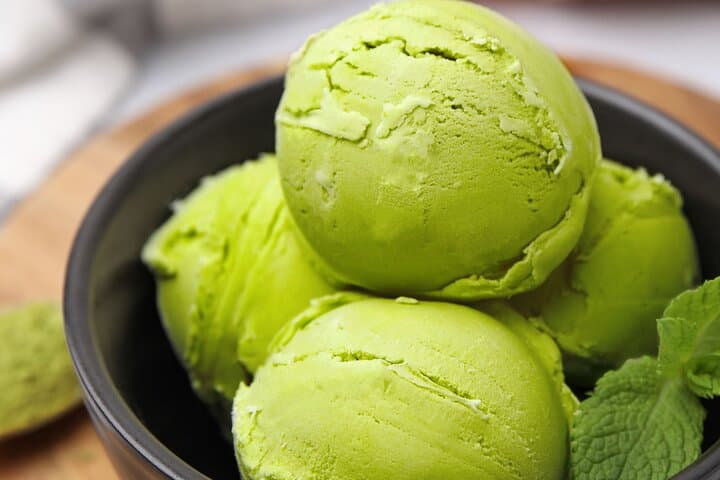
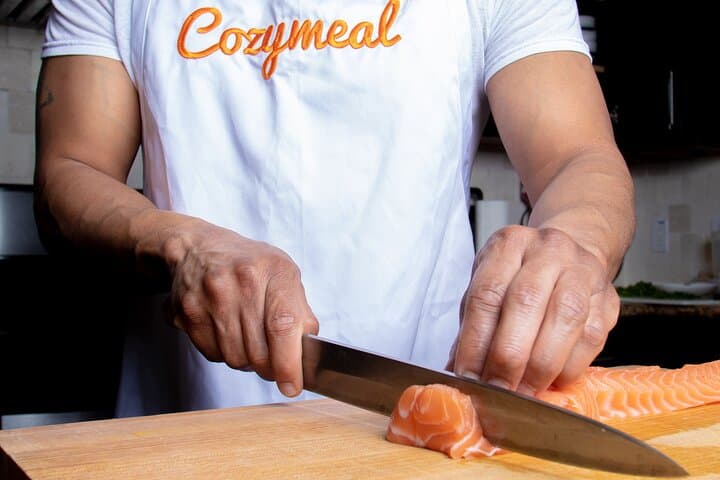
You step into a warm kitchen in Seattle and the room smells of toasted sesame and freshly steamed rice. A sushi chef lays out bowls of polished rice, sheets of nori and glints of salmon; the city’s rain-softened light filters through the window and the sound of the street becomes part of the rhythm. For the next two and a half hours you move through a four-course menu—spring rolls, a salmon-avocado sushi roll, pan-fried garlic noodles, and a matcha ice cream float—learning rice technique, rolling cadence and flavor balance.
Verified experiences and guided adventures in the surrounding area.
Operated by Cozymeal Cooking Classes · Seattle, Washington
You step into a warm kitchen in Seattle and the room smells of toasted sesame and freshly steamed rice. A sushi chef lays out bowls of polished rice, sheets of nori and glints of salmon; the city’s rain-softened light filters through the window and the sound of the street becomes part of the rhythm. For the next two and a half hours you move through a four-course menu—spring rolls, a salmon-avocado sushi roll, pan-fried garlic noodles, and a matcha ice cream float—learning rice technique, rolling cadence and flavor balance.
Seattle’s Japanese culinary footprint reaches back more than a century, shaped by immigrants who brought ingredients and techniques that transformed local markets and home kitchens. The region’s geology—glacial soils feeding salmon runs and the sheltered waters of Puget Sound—helps explain why fresh seafood is central here. Pairing this class with a visit to the International District or Pike Place Market adds cultural context: markets where Japanese ingredients and Pacific Northwest seafood meet.
Practical guidance: classes run about 150 minutes and suit beginners; knife basics are covered but bring an open mind. Tell hosts about allergies in advance; the experience is wheelchair accessible. Wear closed-toe shoes and comfortable layers (Seattle evenings can cool quickly). Guests may bring wine or beer to enjoy with the meal—consider a local Riesling or a light pilsner.
Leave ready to recreate the salmon-avocado roll at home, with clearer rice routine and a fresh sense of how Japanese flavors adapt to Pacific Northwest produce.
easy.
2–3 hours.
Minimal physical exertion; participants should be able to stand comfortably for extended periods.
The workshop runs about 150 minutes (roughly 2.5 hours), covering all four courses with hands-on instruction and tasting time.
Yes—this class is designed for beginners; instructors teach rice preparation, basic knife handling and rolling techniques step by step.
Yes—hosts request advance notice and will do their best to tailor the menu to allergies or preferences.
Yes—the listing notes the facility is wheelchair accessible and service animals are permitted.
Seattle’s Japanese-American community has influenced local foodways since the early 20th century, bringing ingredients and culinary practices that shaped the city’s markets and restaurants.
Seattle’s seafood scene emphasizes sustainability; ask about sourcing and choose lower-impact fish when recreating recipes at home to support responsible fisheries.
Cozymeal Cooking Classes operates guided outdoor trips and adventures with an emphasis on safety, stewardship, and memorable experiences.
You step into a warm kitchen in Seattle and the room smells of toasted sesame and freshly steamed rice. A sushi chef lays out bowls of polished rice, sheets of nori and glints of salmon; the city’s rain-softened light filters through the window and the sound of the street becomes part of the rhythm. For the next two and a half hours you move through a four-course menu—spring rolls, a salmon-avocado sushi roll, pan-fried garlic noodles, and a matcha ice cream float—learning rice technique, rolling cadence and flavor balance.
You step into a warm kitchen in Seattle and the room smells of toasted sesame and freshly steamed rice. A sushi chef lays out bowls of polished rice, sheets of nori and glints of salmon; the city’s rain-softened light filters through the window and the sound of the street becomes part of the rhythm. For the next two and a half hours you move through a four-course menu—spring rolls, a salmon-avocado sushi roll, pan-fried garlic noodles, and a matcha ice cream float—learning rice technique, rolling cadence and flavor balance.
Seattle’s Japanese culinary footprint reaches back more than a century, shaped by immigrants who brought ingredients and techniques that transformed local markets and home kitchens. The region’s geology—glacial soils feeding salmon runs and the sheltered waters of Puget Sound—helps explain why fresh seafood is central here. Pairing this class with a visit to the International District or Pike Place Market adds cultural context: markets where Japanese ingredients and Pacific Northwest seafood meet.
Practical guidance: classes run about 150 minutes and suit beginners; knife basics are covered but bring an open mind. Tell hosts about allergies in advance; the experience is wheelchair accessible. Wear closed-toe shoes and comfortable layers (Seattle evenings can cool quickly). Guests may bring wine or beer to enjoy with the meal—consider a local Riesling or a light pilsner.
Leave ready to recreate the salmon-avocado roll at home, with clearer rice routine and a fresh sense of how Japanese flavors adapt to Pacific Northwest produce.