THE ADVENTURE COLLECTIVE® · Independent discovery and booking for outdoor travel

Learn classic sushi technique in an intimate Tampa kitchen. Over 150 minutes you'll master rice, knife skills, temaki and an Alaskan roll, then sit down to a four-course meal you helped create.
Learn classic sushi technique in an intimate Tampa kitchen. Over 150 minutes you'll master rice, knife skills, temaki and an Alaskan roll, then sit down to a four-course meal you helped create.
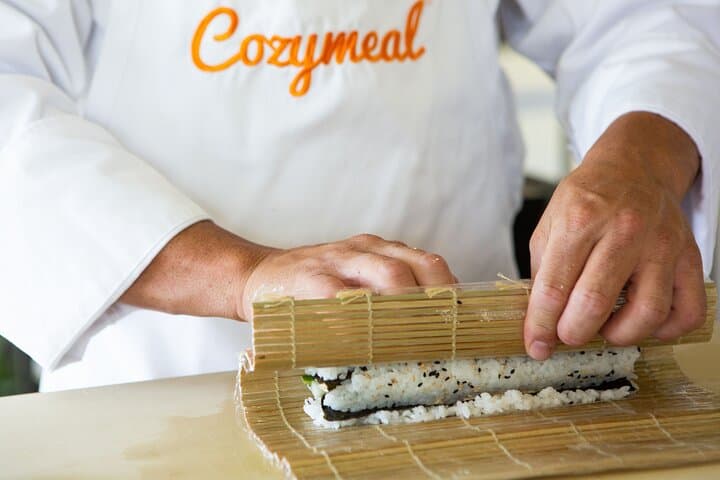
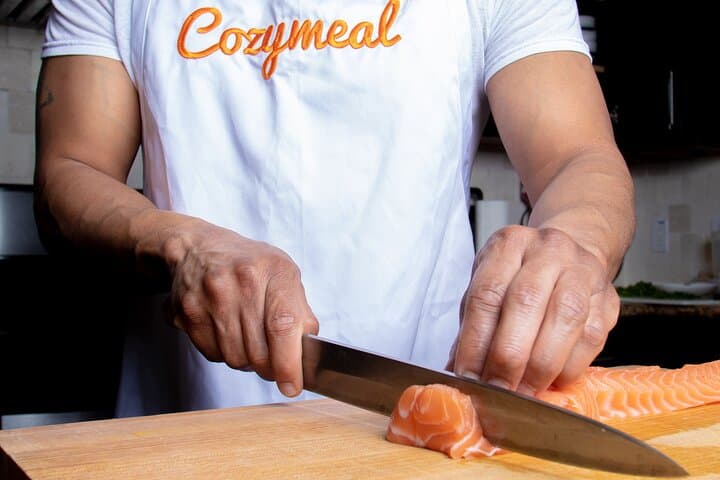
Step into a compact Tampa kitchen and the lesson begins: warm rice steaming in a wooden tub, the sharp slide of a chef’s knife, and the bamboo mat that will shape your first roll.
Verified experiences and guided adventures in the surrounding area.
Operated by Cozymeal Cooking Classes · Tampa, Florida
Step into a compact Tampa kitchen and the lesson begins: warm rice steaming in a wooden tub, the sharp slide of a chef’s knife, and the bamboo mat that will shape your first roll.
This class places Japanese technique in a Gulf Coast setting. Tampa’s port and flat coastal plain have long fed local tables, and here those waters meet techniques that traveled from Osaka and Tokyo to tables around the world. The session connects basic culinary history—rice handling and knife work—with local flavor choices like smoked salmon, citrus-accented avocados, and seasonal produce from nearby markets such as Armature Works.
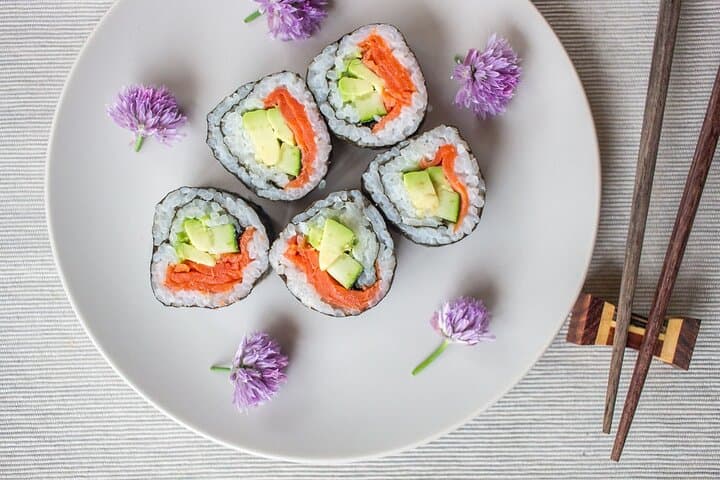
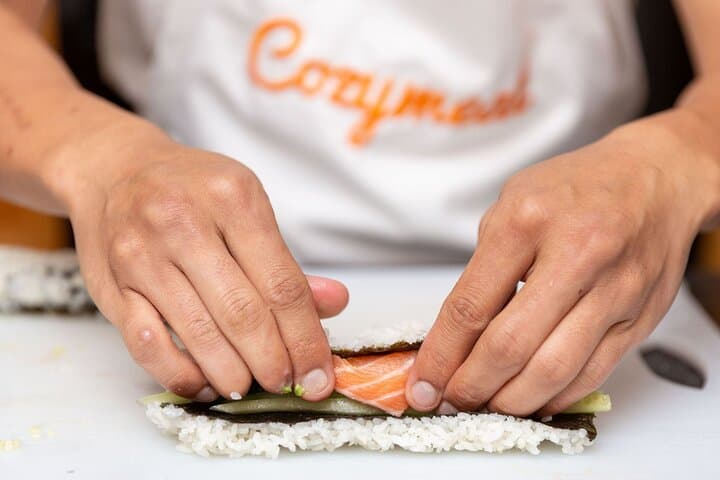
Over 150 minutes you’ll wash and season sushi rice, learn grain texture, practice temaki cone assembly, and repeat the rolling motion for an Alaskan roll while a chef coaches knife angles and timing. The small-group format means hands-on repetition and immediate feedback; the menu includes miso soup, a temaki hand roll, an Alaskan roll, and a double-baked sweet potato dessert.
Practical guidance: arrive 10–15 minutes early, wear closed-toe shoes, and prepare to stand for most of the class. The venue is wheelchair accessible and can usually accommodate dietary restrictions with advance notice. Many venues allow BYOB—ask ahead. Bring a reusable water bottle, take notes, and plan to leave with plated food, printed recipes, and the basic skills to recreate these dishes at home.
easy.
2–3 hours.
Minimal physical fitness required; expect standing and light prep work.
Many hosts allow BYOB but policies vary by venue—check the listing or ask during booking.
Yes. Instruction covers basic rice prep, rolling and knife safety, designed for first-timers and home cooks.
Hosts report being able to adapt ingredients for allergies or vegetarian requests with advance notice.
Yes; the class culminates in a shared meal where you enjoy the four-course menu you helped prepare.
Japanese culinary techniques arrived in the U.S. through immigration and global food exchange; Tampa’s port city culture has long mixed international flavors with local seafood.
Ask about fish sourcing—many local chefs prioritize Gulf fisheries and responsibly harvested seafood to reduce pressure on overfished stocks.
Cozymeal Cooking Classes operates guided outdoor trips and adventures with an emphasis on safety, stewardship, and memorable experiences.
Step into a compact Tampa kitchen and the lesson begins: warm rice steaming in a wooden tub, the sharp slide of a chef’s knife, and the bamboo mat that will shape your first roll.
Step into a compact Tampa kitchen and the lesson begins: warm rice steaming in a wooden tub, the sharp slide of a chef’s knife, and the bamboo mat that will shape your first roll.
This class places Japanese technique in a Gulf Coast setting. Tampa’s port and flat coastal plain have long fed local tables, and here those waters meet techniques that traveled from Osaka and Tokyo to tables around the world. The session connects basic culinary history—rice handling and knife work—with local flavor choices like smoked salmon, citrus-accented avocados, and seasonal produce from nearby markets such as Armature Works.
Over 150 minutes you’ll wash and season sushi rice, learn grain texture, practice temaki cone assembly, and repeat the rolling motion for an Alaskan roll while a chef coaches knife angles and timing. The small-group format means hands-on repetition and immediate feedback; the menu includes miso soup, a temaki hand roll, an Alaskan roll, and a double-baked sweet potato dessert.
Practical guidance: arrive 10–15 minutes early, wear closed-toe shoes, and prepare to stand for most of the class. The venue is wheelchair accessible and can usually accommodate dietary restrictions with advance notice. Many venues allow BYOB—ask ahead. Bring a reusable water bottle, take notes, and plan to leave with plated food, printed recipes, and the basic skills to recreate these dishes at home.