THE ADVENTURE COLLECTIVE® · Independent discovery and booking for outdoor travel

Learn to make spicy tuna and vegetable hand rolls in a hands-on 2-hour session led by a local chef in Tampa. Expect rice fundamentals, rolling practice, and practical tips on sourcing and knife safety.
Learn to make spicy tuna and vegetable hand rolls in a hands-on 2-hour session led by a local chef in Tampa. Expect rice fundamentals, rolling practice, and practical tips on sourcing and knife safety.
The room hums with quiet concentration: a row of cutting boards, a warm tub of rice, and the sharp, steady rhythm of a chef demonstrating the perfect nori wrap. Outside, Tampa Bay pushes salt air into windows; inside, the class narrows focus to rice texture and the subtle squeeze of a bamboo mat.
Verified experiences and guided adventures in the surrounding area.
Operated by Classpop! · Tampa, Florida
The room hums with quiet concentration: a row of cutting boards, a warm tub of rice, and the sharp, steady rhythm of a chef demonstrating the perfect nori wrap. Outside, Tampa Bay pushes salt air into windows; inside, the class narrows focus to rice texture and the subtle squeeze of a bamboo mat.
Sushi in Tampa sits at the intersection of Gulf seafood tradition and the city's growing international food scene. While Florida's coast supplied the raw materials—firm tuna and delicate cucumber—the modern sushi movement here draws on immigrant chefs and local markets that have reshaped how residents eat. The venue itself, often hosted at a craft bar or brewery, reflects Tampa's shift toward casual, hands-on dining experiences.
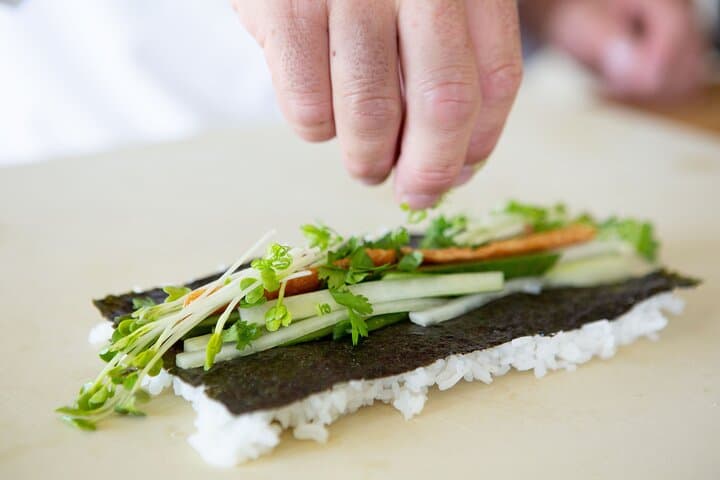
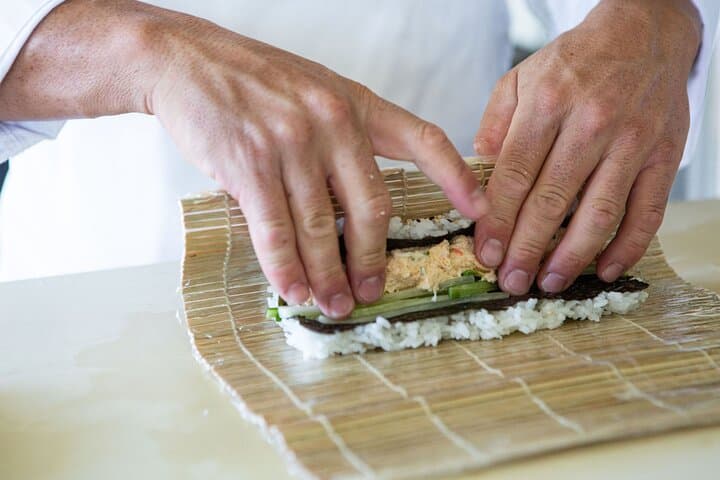
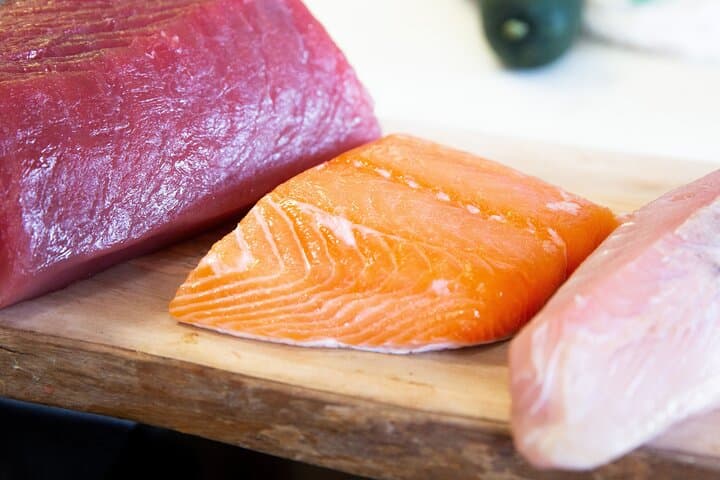
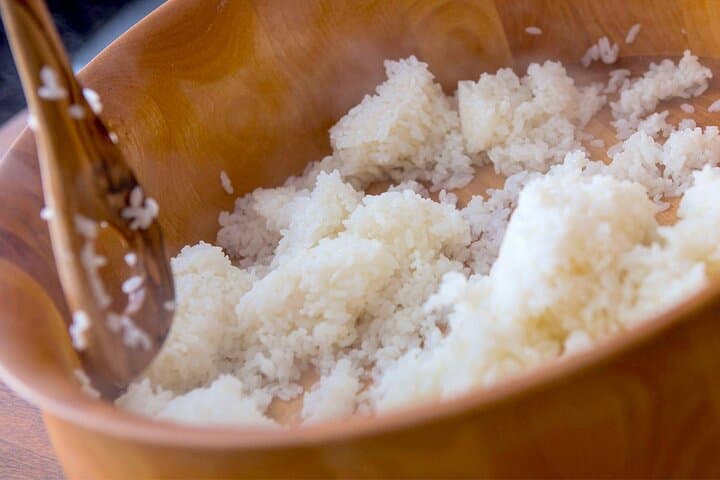
Expect a short primer on rice, seasoning, and fish handling followed by step-by-step demos of a spicy tuna roll and a vegetable hand roll. The work is tactile: washing rice, fanning it to shine, and learning how much pressure a roll needs before it holds together. Conversation will cover sourcing—how to ask vendors about sustainability—and knife technique tailored for beginners.
Practical notes: wear closed-toe shoes and clothes you don’t mind splashing, arrive 10 minutes early, and alert the host of allergies in advance. Bring a small cooler if you plan to take leftovers; many guests pair their plates with a local beer or nonalcoholic option available on site. In two hours participants leave with hands-on skills, a full meal they made, and practical tips to reproduce sushi at home.
easy.
2 hours.
Light: requires standing and moderate hand dexterity for two hours
Yes; instruction is step-by-step and designed for first-timers, with the chef guiding knife technique, rice prep, and rolling.
All ingredients and cooking tools are provided by the host, including rice, nori, fillings, and mats.
Yes; the listing notes accommodations. Contact the host in advance or indicate restrictions on booking so substitutions can be arranged.
Often yes—many sessions are hosted at breweries or bars where drinks are available separately; check the venue details before attending.
Tampa's coastal location and diverse immigrant population shaped a contemporary sushi scene that blends Gulf-caught seafood with international techniques.
Ask about seafood sourcing during class—many local chefs prioritize sustainable fish and minimize waste; composting and reduced-plastic policies are common at responsible hosts.
Classpop! operates guided outdoor trips and adventures with an emphasis on safety, stewardship, and memorable experiences.
The room hums with quiet concentration: a row of cutting boards, a warm tub of rice, and the sharp, steady rhythm of a chef demonstrating the perfect nori wrap. Outside, Tampa Bay pushes salt air into windows; inside, the class narrows focus to rice texture and the subtle squeeze of a bamboo mat.
The room hums with quiet concentration: a row of cutting boards, a warm tub of rice, and the sharp, steady rhythm of a chef demonstrating the perfect nori wrap. Outside, Tampa Bay pushes salt air into windows; inside, the class narrows focus to rice texture and the subtle squeeze of a bamboo mat.
Sushi in Tampa sits at the intersection of Gulf seafood tradition and the city's growing international food scene. While Florida's coast supplied the raw materials—firm tuna and delicate cucumber—the modern sushi movement here draws on immigrant chefs and local markets that have reshaped how residents eat. The venue itself, often hosted at a craft bar or brewery, reflects Tampa's shift toward casual, hands-on dining experiences.
Expect a short primer on rice, seasoning, and fish handling followed by step-by-step demos of a spicy tuna roll and a vegetable hand roll. The work is tactile: washing rice, fanning it to shine, and learning how much pressure a roll needs before it holds together. Conversation will cover sourcing—how to ask vendors about sustainability—and knife technique tailored for beginners.
Practical notes: wear closed-toe shoes and clothes you don’t mind splashing, arrive 10 minutes early, and alert the host of allergies in advance. Bring a small cooler if you plan to take leftovers; many guests pair their plates with a local beer or nonalcoholic option available on site. In two hours participants leave with hands-on skills, a full meal they made, and practical tips to reproduce sushi at home.