THE ADVENTURE COLLECTIVE® · Independent discovery and booking for outdoor travel

Learn sushi basics in an intimate Chicago workshop where chefs teach knife skills, rice technique, and two signature rolls. BYOB and small groups make this a practical, hands-on class for beginners and food lovers alike.
Learn sushi basics in an intimate Chicago workshop where chefs teach knife skills, rice technique, and two signature rolls. BYOB and small groups make this a practical, hands-on class for beginners and food lovers alike.
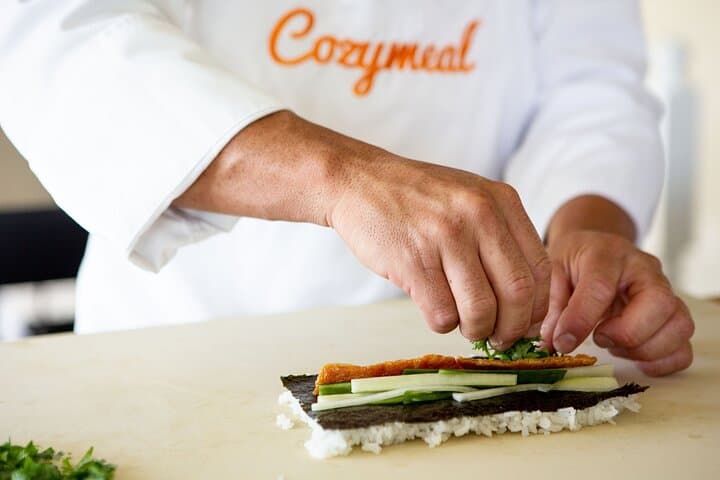
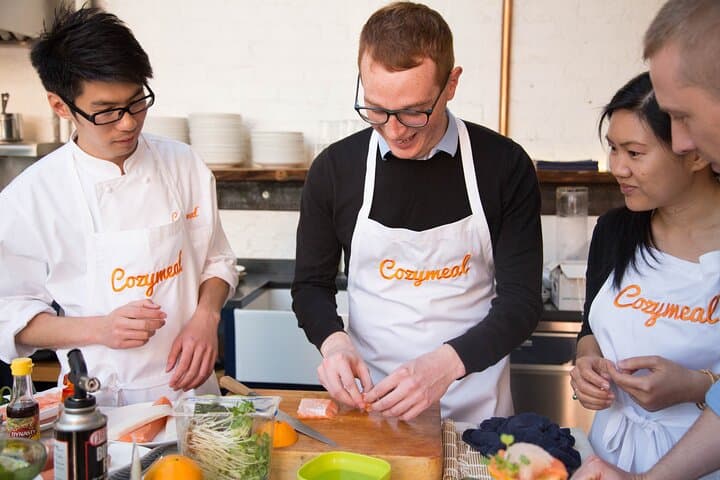
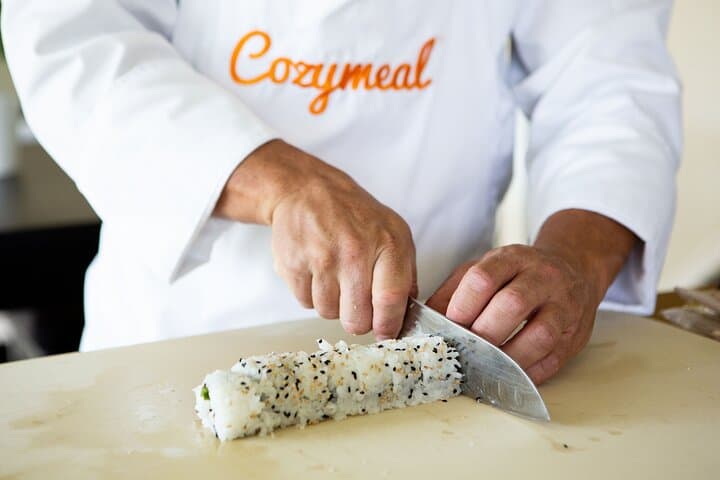
The room hums with the low clatter of knives and the scent of toasted sesame as a small group gathers around a long prep counter in a Chicago culinary studio. Fluorescent city light filters through a street-facing window; inside, a chef in a crisp jacket lays out sheets of nori, bowls of seasoned rice, and plates of fresh ahi and tempura shrimp. For two hours you stand, learn, and roll — hands moving from knife work to the rhythmic press and tuck that makes sushi sing.
Verified experiences and guided adventures in the surrounding area.
Operated by Cozymeal Cooking Classes · Chicago, Illinois
The room hums with the low clatter of knives and the scent of toasted sesame as a small group gathers around a long prep counter in a Chicago culinary studio. Fluorescent city light filters through a street-facing window; inside, a chef in a crisp jacket lays out sheets of nori, bowls of seasoned rice, and plates of fresh ahi and tempura shrimp. For two hours you stand, learn, and roll — hands moving from knife work to the rhythmic press and tuck that makes sushi sing.
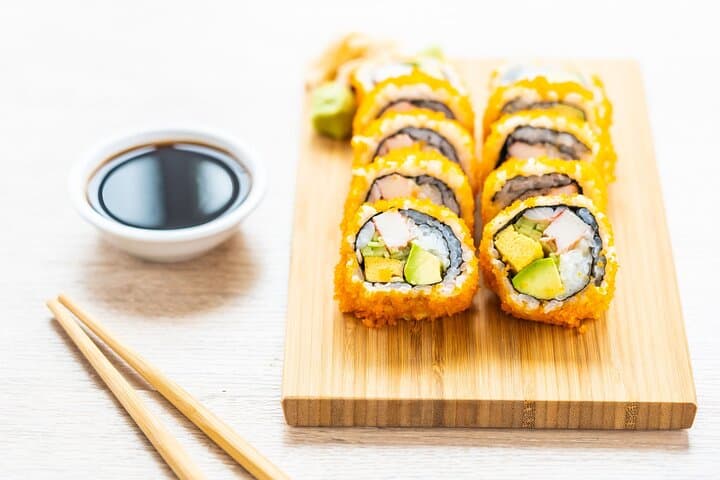
Sushi in America is a story of exchange: 20th-century immigration, mid-century restaurant evolution, and contemporary sourcing that links global fisheries to urban plates. Chicago’s food scene reimagines these traditions—combining Japanese technique with Midwestern produce and a BYOB conviviality. The class focuses on practical technique: proper rice handling, basic knife cuts, and two signature rolls — a spicy ahi-tuna with avocado and a shrimp tempura roll with miso aioli — followed by a tōgarashi-laced tropical fruit dessert.
Expect a compact, hands-on format limited to eight guests with accessible surfaces and adaptive options for dietary needs. The lesson emphasizes safety and repetition: practice a few rolls, get real-time correction, and leave with recipes and plating tips. Bring a beverage, wear closed-toe shoes, and arrive hungry but ready to learn; this is an urban culinary workout more than a sit-down meal. Ideal for beginners and curious home cooks, the class balances cultural context with practical skill-building so you can recreate the flavors back in your own kitchen.
easy.
2 hours.
Light: primarily standing and moving at a countertop; no special fitness required
Yes — the class is BYOB; bring a small bottle or cans. Check local rules about glass containers and consider a cooler for transport.
Absolutely — the session is designed for beginners with step-by-step instruction on rice, knife skills, and rolling technique.
Yes — hosts can adapt ingredients for common allergies or preferences if you notify them at booking or in advance by email.
The listing indicates wheelchair accessibility; contact the operator with specific mobility needs to confirm station setup and assistance.
Sushi’s presence in Chicago grew with postwar immigration and a later wave of chefs adapting Japanese technique to local ingredients; classes like this reflect that cross-cultural culinary evolution.
Ask about fish sourcing — many chefs prioritize sustainably caught or responsibly farmed seafood; minimizing single-use plastics and food waste is encouraged.
Cozymeal Cooking Classes operates guided outdoor trips and adventures with an emphasis on safety, stewardship, and memorable experiences.
The room hums with the low clatter of knives and the scent of toasted sesame as a small group gathers around a long prep counter in a Chicago culinary studio. Fluorescent city light filters through a street-facing window; inside, a chef in a crisp jacket lays out sheets of nori, bowls of seasoned rice, and plates of fresh ahi and tempura shrimp. For two hours you stand, learn, and roll — hands moving from knife work to the rhythmic press and tuck that makes sushi sing.
The room hums with the low clatter of knives and the scent of toasted sesame as a small group gathers around a long prep counter in a Chicago culinary studio. Fluorescent city light filters through a street-facing window; inside, a chef in a crisp jacket lays out sheets of nori, bowls of seasoned rice, and plates of fresh ahi and tempura shrimp. For two hours you stand, learn, and roll — hands moving from knife work to the rhythmic press and tuck that makes sushi sing.
Sushi in America is a story of exchange: 20th-century immigration, mid-century restaurant evolution, and contemporary sourcing that links global fisheries to urban plates. Chicago’s food scene reimagines these traditions—combining Japanese technique with Midwestern produce and a BYOB conviviality. The class focuses on practical technique: proper rice handling, basic knife cuts, and two signature rolls — a spicy ahi-tuna with avocado and a shrimp tempura roll with miso aioli — followed by a tōgarashi-laced tropical fruit dessert.
Expect a compact, hands-on format limited to eight guests with accessible surfaces and adaptive options for dietary needs. The lesson emphasizes safety and repetition: practice a few rolls, get real-time correction, and leave with recipes and plating tips. Bring a beverage, wear closed-toe shoes, and arrive hungry but ready to learn; this is an urban culinary workout more than a sit-down meal. Ideal for beginners and curious home cooks, the class balances cultural context with practical skill-building so you can recreate the flavors back in your own kitchen.