THE ADVENTURE COLLECTIVE® · Independent discovery and booking for outdoor travel

Stand behind a sushi counter trained by a Ginza pro, then ride into a local onsen many travelers never reach. This full-day Kōfu experience blends hands-on food craft with a quietly defiant hot-spring tradition.
Stand behind a sushi counter trained by a Ginza pro, then ride into a local onsen many travelers never reach. This full-day Kōfu experience blends hands-on food craft with a quietly defiant hot-spring tradition.
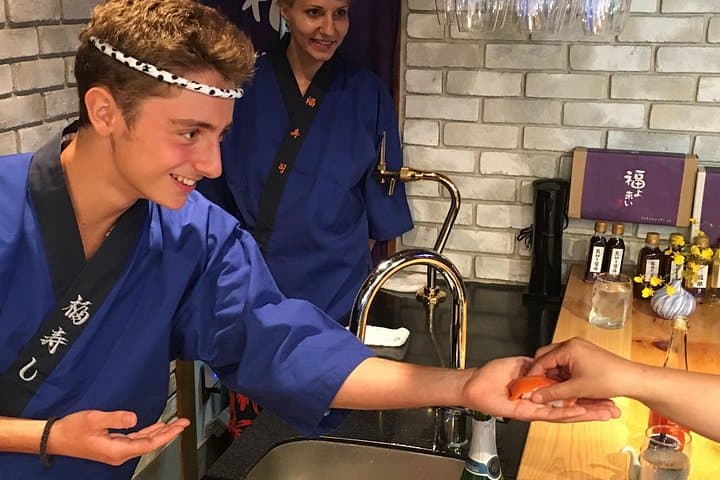
The morning opens under the low shoulder of Mount Fuji, its flank watching over a small Kōfu neighborhood as you tighten a borrowed hachimaki and step behind a sushi counter.
Verified experiences and guided adventures in the surrounding area.
Operated by DEEP LOCAL YAMANASHI · Kōfu, Yamanashi
The morning opens under the low shoulder of Mount Fuji, its flank watching over a small Kōfu neighborhood as you tighten a borrowed hachimaki and step behind a sushi counter.
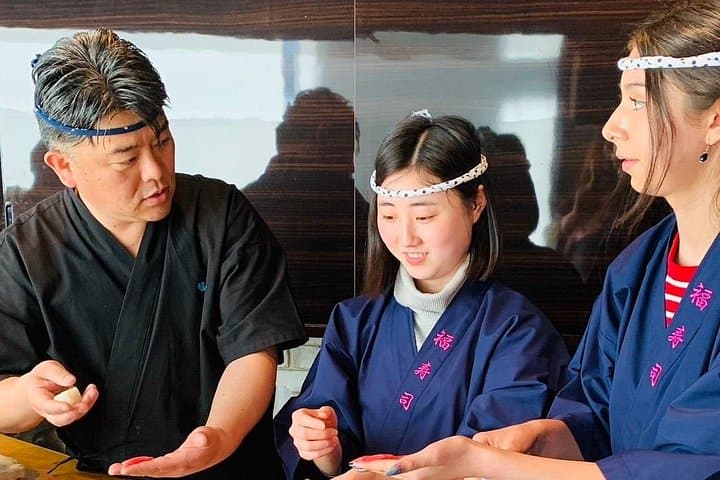
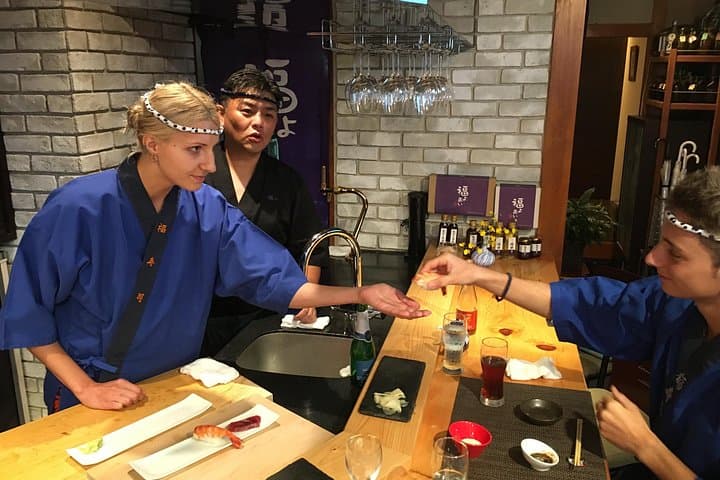
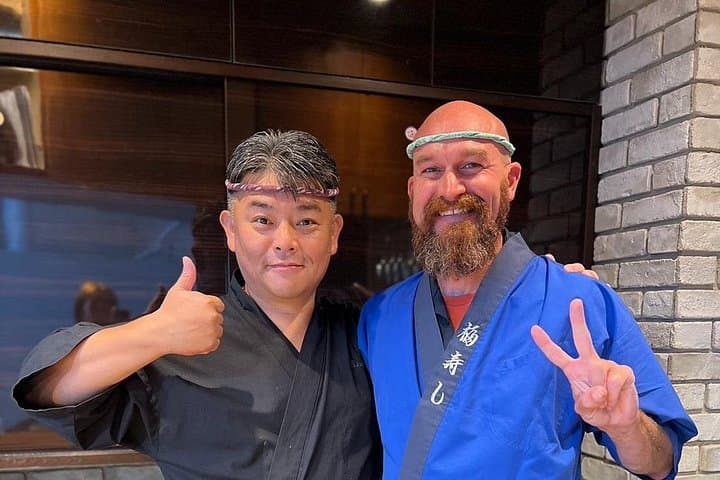
A professional trained in Ginza takes the lead: you learn the rhythm of rice and fish, the pressure of a single finger shaping nigiri, the quiet gestures that communicate skill. The room smells of rice vinegar and seared nori; language is spare but technique is clear. Later, a short cab ride pushes you into quieter streets where an onsen’s steam dares the cool air and locals tip their hats at the bathhouse door.
This slice of Yamanashi blends Edo-period culinary practice with volcanic geology: onsen here are fed by the same tectonic heat that raised Fuji, and Kōfu’s history as a castle town informs the local, unhurried hospitality. Expect traditional etiquette — silence, modesty, and respect — and an owner willing to welcome tattooed visitors where many baths will not.
Practical side: the full experience runs about five to six hours, includes transport in an air-conditioned vehicle, lunch (multiple sushi courses), and an onsen fee. Wear easy-to-remove shoes, bring modest swimwear or rental options where allowed, and have some cash for small purchases. The pace is instructional but relaxed — perfect for curious travelers who want to participate rather than just observe.
easy.
5–6 hours.
Light — able to stand for short periods, step in/out of vehicles, and walk short distances.
No — the class is taught by a professional with step-by-step instruction suited to beginners and curious home cooks.
This particular onsen is described as tattoo-friendly, but policies vary so follow host guidance and any posted rules.
Yes — the itinerary includes travel in an air-conditioned vehicle and short cab transfers between the sushi venue and the onsen.
Notify the operator when booking; hosts can often adapt ingredients but substitutions depend on availability.
Kōfu grew as a castle town in the Sengoku and Edo periods; its proximity to volcanic Fuji shaped both local hot-spring use and agricultural terraces.
Onsen rely on finite geothermal resources — favor operators who limit water waste and avoid single-use plastics; stick to marked paths and respect local customs to reduce impact.
DEEP LOCAL YAMANASHI operates guided outdoor trips and adventures with an emphasis on safety, stewardship, and memorable experiences.
The morning opens under the low shoulder of Mount Fuji, its flank watching over a small Kōfu neighborhood as you tighten a borrowed hachimaki and step behind a sushi counter.
The morning opens under the low shoulder of Mount Fuji, its flank watching over a small Kōfu neighborhood as you tighten a borrowed hachimaki and step behind a sushi counter.
A professional trained in Ginza takes the lead: you learn the rhythm of rice and fish, the pressure of a single finger shaping nigiri, the quiet gestures that communicate skill. The room smells of rice vinegar and seared nori; language is spare but technique is clear. Later, a short cab ride pushes you into quieter streets where an onsen’s steam dares the cool air and locals tip their hats at the bathhouse door.
This slice of Yamanashi blends Edo-period culinary practice with volcanic geology: onsen here are fed by the same tectonic heat that raised Fuji, and Kōfu’s history as a castle town informs the local, unhurried hospitality. Expect traditional etiquette — silence, modesty, and respect — and an owner willing to welcome tattooed visitors where many baths will not.
Practical side: the full experience runs about five to six hours, includes transport in an air-conditioned vehicle, lunch (multiple sushi courses), and an onsen fee. Wear easy-to-remove shoes, bring modest swimwear or rental options where allowed, and have some cash for small purchases. The pace is instructional but relaxed — perfect for curious travelers who want to participate rather than just observe.