THE ADVENTURE COLLECTIVE® · Independent discovery and booking for outdoor travel

Join a hands-on sweets workshop outside Kandy that pairs culinary technique with New Year traditions. Learn to fry kokis, shape aluwa, taste your creations with ginger tea, and stroll a working farm to see where ingredients come from.
Join a hands-on sweets workshop outside Kandy that pairs culinary technique with New Year traditions. Learn to fry kokis, shape aluwa, taste your creations with ginger tea, and stroll a working farm to see where ingredients come from.
The session begins in a sun-warmed yard on the edge of a working farm outside Kandy, where coconut palms sway and the scent of roasting rice flour hangs in the air. Participants are greeted by a group of village cooks who lay out wooden molds, kettles of kithul treacle and a small hearth where ginger tea steams — the sounds and smells usher you into a simple ritual tied to the Sinhala and Tamil New Year.
Verified experiences and guided adventures in the surrounding area.
Operated by Warala Watta Farm, Spice Garden and Cinnamon Experience · Kandy, Central Province
The session begins in a sun-warmed yard on the edge of a working farm outside Kandy, where coconut palms sway and the scent of roasting rice flour hangs in the air. Participants are greeted by a group of village cooks who lay out wooden molds, kettles of kithul treacle and a small hearth where ginger tea steams — the sounds and smells usher you into a simple ritual tied to the Sinhala and Tamil New Year.
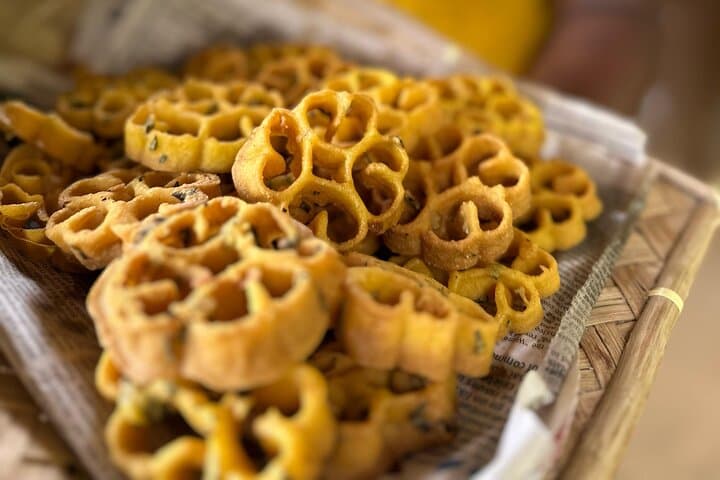
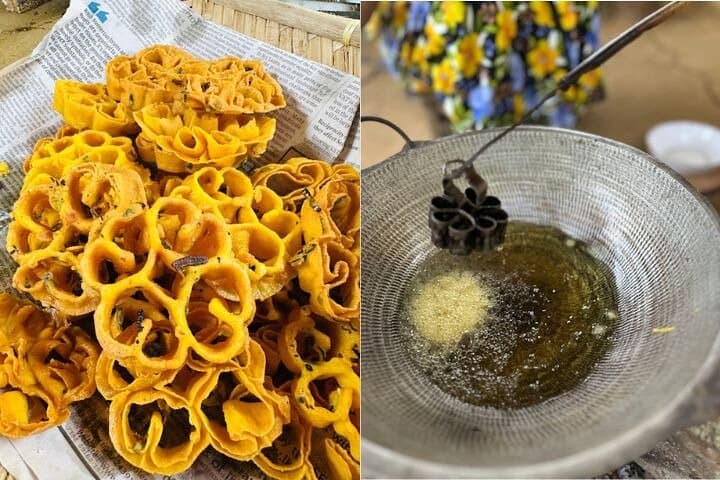
Sri Lanka’s New Year foods have deep cultural roots: sweets mark prosperity, hospitality and the seasonal reset that comes each April. The Central Highlands around Kandy are folded into ancient hill country geology—weathered granite and laterite soils feed rice and coconut palms, while small farms keep communal food practices alive. The class combines a short cultural primer on New Year customs, hands-on instruction for three traditional sweets (kokis, athirasa, aluwa), a tasting with ginger tea and a guided walk through the farm fields.
Practical notes: the session runs about 3.5 hours, mixes standing and light activity, and includes deep-frying and treacle-handling — expect heat and sticky surfaces. Wear closed-toe shoes, keep a refillable bottle on hand, and flag any allergies when booking. Public transport reaches nearby villages, but private transfers simplify timing. For travelers who want cultural context and tactile learning, this class delivers a clear, memorable window into Sri Lankan seasonal life while leaving room to explore Kandy’s temples and tea-lined slopes afterward.
easy.
3–4 hours.
Light activity level — suitable for most adults comfortable standing for short periods and walking on farm paths
The activity lasts approximately 3.5 hours, including a cultural introduction, hands-on sweets-making, tasting and a short farm walk.
Hosts can often adjust recipes, but you should disclose allergies or dietary needs when booking so they can prepare alternatives.
Infants must sit on laps; the environment involves hot oil and sugar, so children should be supervised and are best if old enough to follow safety instructions.
The operator may cancel or move some activities under bad weather; check the cancellation policy — full refunds are available if canceled at least 24 hours prior.
Sweets have been central to Sri Lankan New Year rituals for centuries, used in offerings and shared among families to mark prosperity and social bonds.
Small farms in the Kandy region use mixed cropping and traditional practices that support soil health; visitors should avoid littering and respect farm boundaries to reduce impact.
Warala Watta Farm, Spice Garden and Cinnamon Experience operates guided outdoor trips and adventures with an emphasis on safety, stewardship, and memorable experiences.
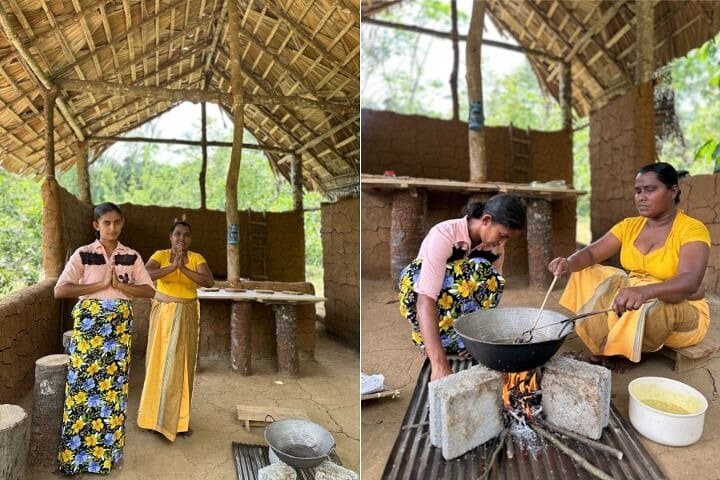
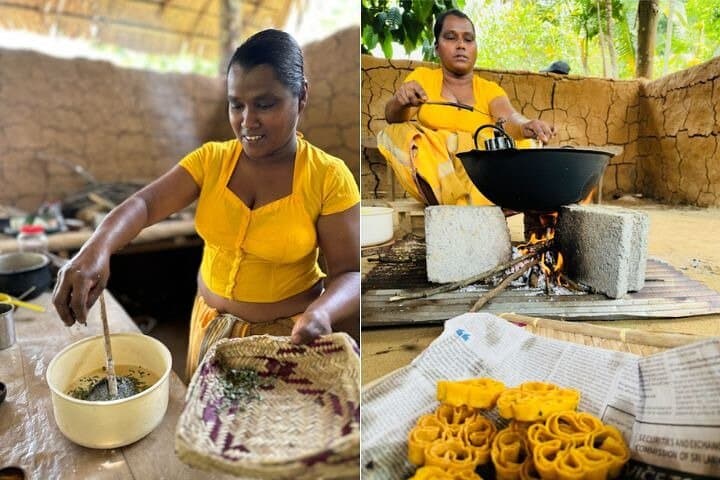
The session begins in a sun-warmed yard on the edge of a working farm outside Kandy, where coconut palms sway and the scent of roasting rice flour hangs in the air. Participants are greeted by a group of village cooks who lay out wooden molds, kettles of kithul treacle and a small hearth where ginger tea steams — the sounds and smells usher you into a simple ritual tied to the Sinhala and Tamil New Year.
The session begins in a sun-warmed yard on the edge of a working farm outside Kandy, where coconut palms sway and the scent of roasting rice flour hangs in the air. Participants are greeted by a group of village cooks who lay out wooden molds, kettles of kithul treacle and a small hearth where ginger tea steams — the sounds and smells usher you into a simple ritual tied to the Sinhala and Tamil New Year.
Sri Lanka’s New Year foods have deep cultural roots: sweets mark prosperity, hospitality and the seasonal reset that comes each April. The Central Highlands around Kandy are folded into ancient hill country geology—weathered granite and laterite soils feed rice and coconut palms, while small farms keep communal food practices alive. The class combines a short cultural primer on New Year customs, hands-on instruction for three traditional sweets (kokis, athirasa, aluwa), a tasting with ginger tea and a guided walk through the farm fields.
Practical notes: the session runs about 3.5 hours, mixes standing and light activity, and includes deep-frying and treacle-handling — expect heat and sticky surfaces. Wear closed-toe shoes, keep a refillable bottle on hand, and flag any allergies when booking. Public transport reaches nearby villages, but private transfers simplify timing. For travelers who want cultural context and tactile learning, this class delivers a clear, memorable window into Sri Lankan seasonal life while leaving room to explore Kandy’s temples and tea-lined slopes afterward.