THE ADVENTURE COLLECTIVE® · Independent discovery and booking for outdoor travel

Learn Sri Lanka’s spice-driven cooking in a private two-hour session near Matale. Pick a menu, handle clay pots and coconut spoons, and eat what you cook while learning regional history and practical techniques.
Learn Sri Lanka’s spice-driven cooking in a private two-hour session near Matale. Pick a menu, handle clay pots and coconut spoons, and eat what you cook while learning regional history and practical techniques.
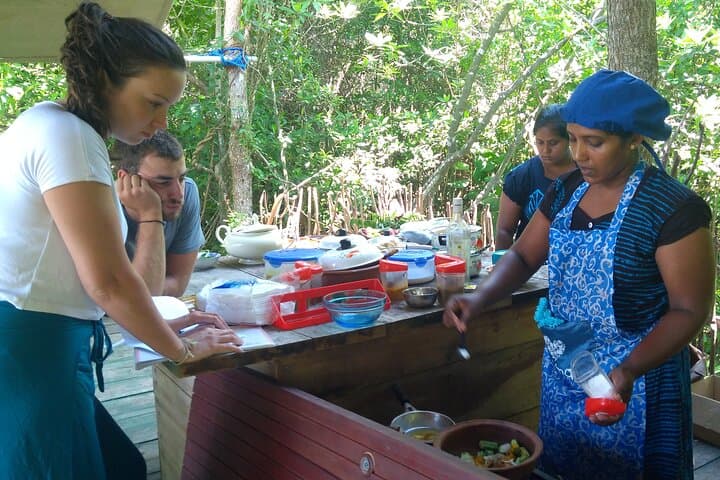
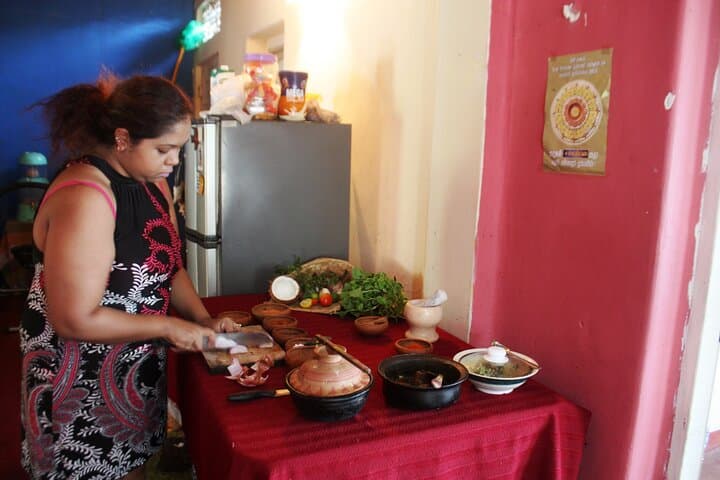
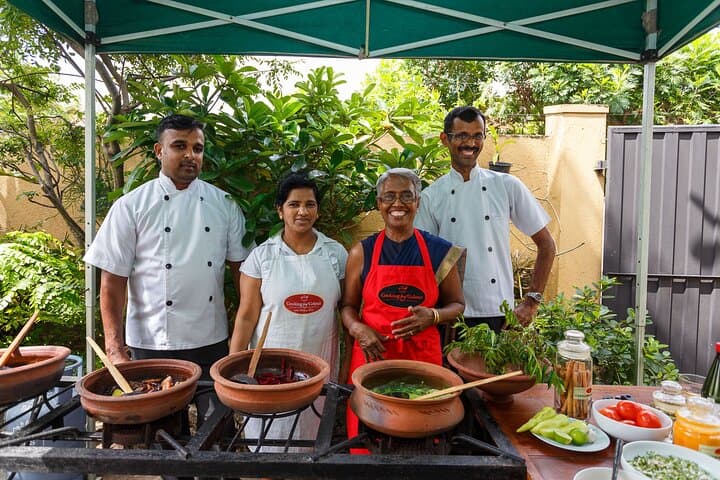
Steam rises from a clay pot as the cook explains the balance of heat and coconut, and the room fills with turmeric, cumin and roasted curry leaves. You’re at a simple home kitchen near Matale, palms shifting like a slow wind outside, learning how textures and timing turn humble ingredients into dishes people here eat every day.
Verified experiences and guided adventures in the surrounding area.
Operated by Lakpura LLC · Matale, Central Province
Steam rises from a clay pot as the cook explains the balance of heat and coconut, and the room fills with turmeric, cumin and roasted curry leaves. You’re at a simple home kitchen near Matale, palms shifting like a slow wind outside, learning how textures and timing turn humble ingredients into dishes people here eat every day.
Matale sits on the edge of Sri Lanka’s central highlands, a region that fed the island’s spice trade for centuries and supplied the Kandyan Kingdom with cinnamon, pepper and cardamom. The lesson uses traditional clay pots and coconut spoons—tools shaped by local geology and craft—and emphasizes Sri Lanka’s long relationship with rice, coconut and wild spices.
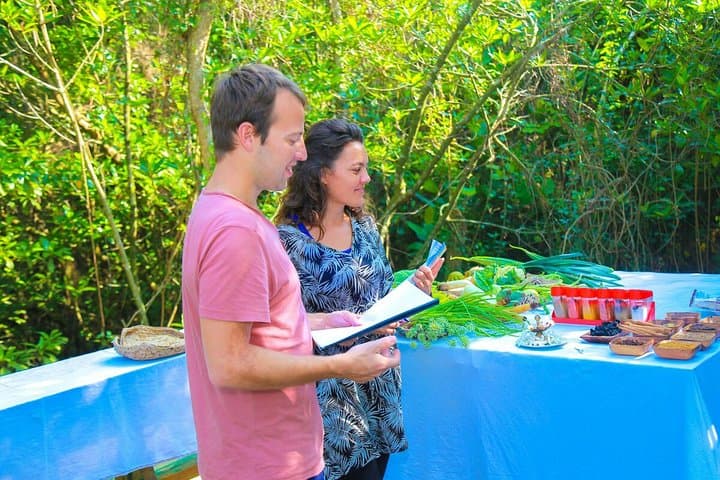
The experience is practical and hands-on: choose from curated menus (black chicken curry, jackfruit curry, dhal, coconut sambol and hill-country beetroot), be guided through spice tempering and coconut-based sauces, then sit to eat what you cooked. Sessions run about two hours and are private, so pacing adjusts to beginners and confident cooks alike.
Plan to arrive with dietary needs communicated in advance; the class sources fresh local produce so timing affects ingredient availability. Wear comfortable, wash-friendly clothing and closed-toe shoes for the short walk to the kitchen. Bring a reusable water bottle and a small notebook if you want to capture recipes and techniques.
This is both a cultural primer and a practical cooking lesson: you leave with a fuller understanding of Sri Lankan flavor structure, a satisfied appetite, and simple techniques you can repeat at home.
easy.
2 hours.
Minimal fitness required—participants should be comfortable standing for the session and doing light food prep.
Yes—hosts ask for dietary requirements in advance and can adapt most menus to vegetarian or vegan diets using local vegetables and coconut-based sauces.
The listing is a private activity; transport options vary—confirm pickup details with the operator when booking or plan to arrive by local taxi or public transport.
Most demonstrations are conducted in English and Sinhala; confirm language needs when booking for any special requests.
Recipes are usually demonstrated rather than printed—bring a notebook or request copies from the host, who may provide guidance to recreate dishes at home.
Matale’s location on the edge of the central hills made it a hub for spice cultivation that powered regional trade and supplied the Kandyan Kingdom.
The experience supports local producers; minimizing food waste and sourcing spices from smallholders helps preserve traditional farming and reduce pressure on wild-harvested plants.
Lakpura LLC operates guided outdoor trips and adventures with an emphasis on safety, stewardship, and memorable experiences.
Steam rises from a clay pot as the cook explains the balance of heat and coconut, and the room fills with turmeric, cumin and roasted curry leaves. You’re at a simple home kitchen near Matale, palms shifting like a slow wind outside, learning how textures and timing turn humble ingredients into dishes people here eat every day.
Steam rises from a clay pot as the cook explains the balance of heat and coconut, and the room fills with turmeric, cumin and roasted curry leaves. You’re at a simple home kitchen near Matale, palms shifting like a slow wind outside, learning how textures and timing turn humble ingredients into dishes people here eat every day.
Matale sits on the edge of Sri Lanka’s central highlands, a region that fed the island’s spice trade for centuries and supplied the Kandyan Kingdom with cinnamon, pepper and cardamom. The lesson uses traditional clay pots and coconut spoons—tools shaped by local geology and craft—and emphasizes Sri Lanka’s long relationship with rice, coconut and wild spices.
The experience is practical and hands-on: choose from curated menus (black chicken curry, jackfruit curry, dhal, coconut sambol and hill-country beetroot), be guided through spice tempering and coconut-based sauces, then sit to eat what you cooked. Sessions run about two hours and are private, so pacing adjusts to beginners and confident cooks alike.
Plan to arrive with dietary needs communicated in advance; the class sources fresh local produce so timing affects ingredient availability. Wear comfortable, wash-friendly clothing and closed-toe shoes for the short walk to the kitchen. Bring a reusable water bottle and a small notebook if you want to capture recipes and techniques.
This is both a cultural primer and a practical cooking lesson: you leave with a fuller understanding of Sri Lankan flavor structure, a satisfied appetite, and simple techniques you can repeat at home.