THE ADVENTURE COLLECTIVE® · Independent discovery and booking for outdoor travel

Join a local family for a market‑to‑table cooking class in Colombo—select fresh ingredients, learn classic Sri Lankan techniques, and share a home‑cooked meal. Practical, hands‑on, and rooted in island culinary history.
Join a local family for a market‑to‑table cooking class in Colombo—select fresh ingredients, learn classic Sri Lankan techniques, and share a home‑cooked meal. Practical, hands‑on, and rooted in island culinary history.
You step off a tuk‑tuk into a neighborhood market where the air is cut by citrus and crushed curry leaves, and voices call out prices for bananas and fresh fish.
Verified experiences and guided adventures in the surrounding area.
Operated by Hellow Travel · Colombo, Western Province
You step off a tuk‑tuk into a neighborhood market where the air is cut by citrus and crushed curry leaves, and voices call out prices for bananas and fresh fish.
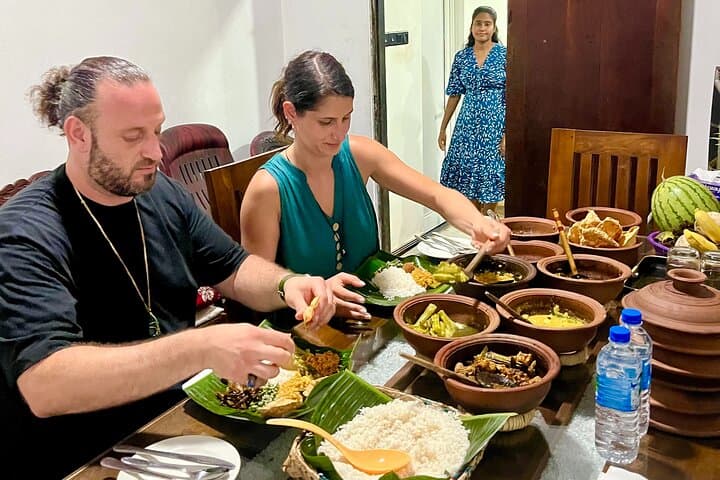
Inside a tidy local home a family opens their kitchen to you—wooden spoons clack, coconut milk steams, and the instructor guides your hands through the rhythm of grinding spices and tempering mustard seeds. This is a market‑to‑table class: you’ll select produce with locals, then return to learn techniques that have fed Sri Lanka for generations.
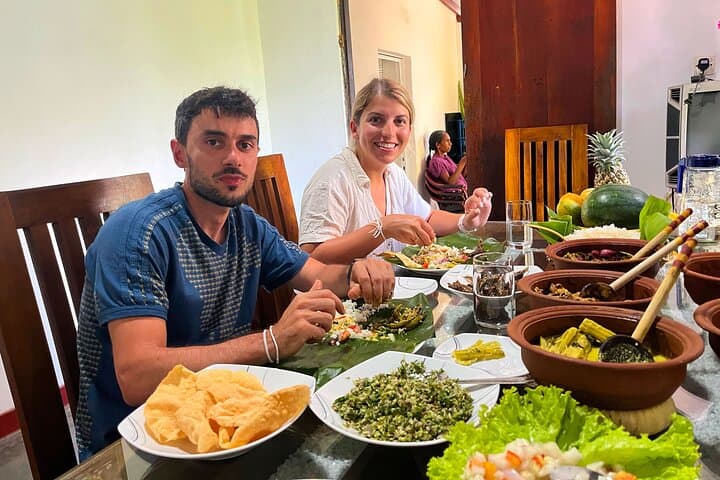
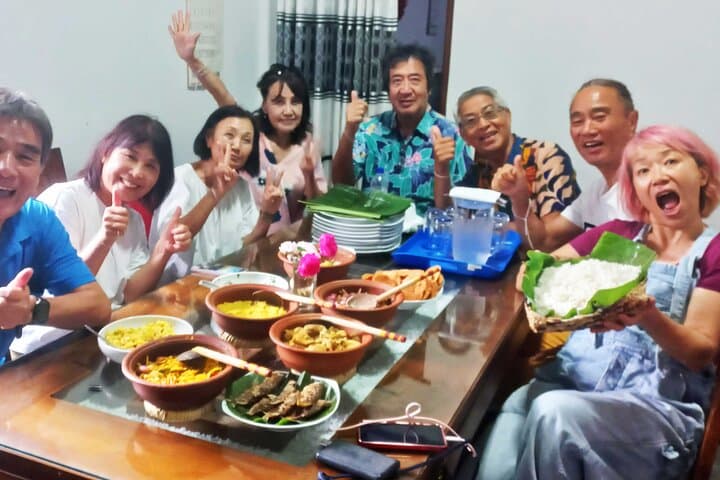
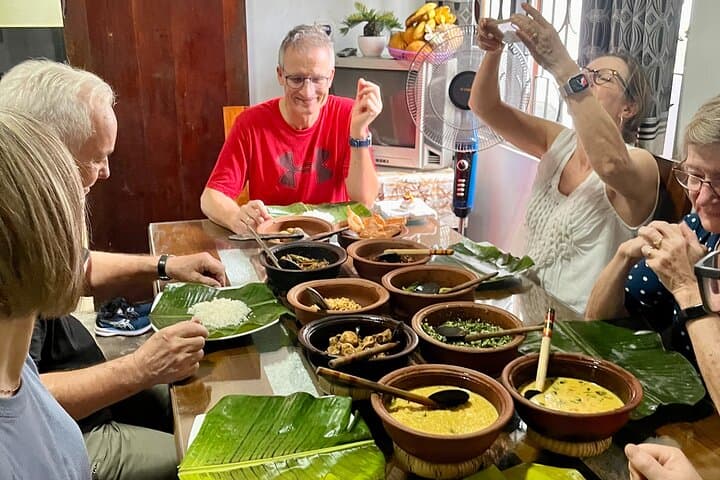
Sri Lankan cuisine carries layers of history — South Indian spice routes, Portuguese and Dutch ingredients, and Malay and Arab trade influences — all adapted to an island shaped by tropical monsoons and fertile river plains. Expect coconut‑forward curries, tangy pickles like brinjal moju, bold dhal, and cooling gotukola salad. Food here is community: meals are shared, stories are told, and recipes are passed down through family lines.
Practically, the class runs about four hours and includes lunch or dinner. It’s hands‑on but approachable: you’ll chop, stir, and plate under local guidance. Wear closed‑toe shoes and clothes you don’t mind smelling of spice; bring a small backpack for purchases from the market and a pharmacy‑style antihistamine if you have spice sensitivities. Ask about dietary restrictions when booking—hosts accommodate vegetarian and milder spice preferences.
This experience blends cultural exchange with practical skill: leave with recipes, new technique, and a clearer sense of how Sri Lanka’s landscape and history taste on the plate.
easy.
4 hours.
Light activity; must be able to stand, walk short market distances, and perform basic food prep.
Yes—most hosts can prepare vegetarian, vegan, or milder spice versions if informed at booking.
Pickup is often included; confirm your pickup point when you book and allow time for tuk‑tuk transfers.
Yes—the itinerary includes a guided visit to a local market to choose fresh ingredients alongside the hosts.
Families welcome infants and small children; check with the operator about space and supervision during hands‑on sections.
Sri Lankan cuisine reflects centuries of trade and colonial contact—coconut, cinnamon, and rice have long anchored local diets and cultural hospitality.
Hosts typically use seasonal, locally sourced produce; bring a reusable bottle and decline single-use plastics to support low‑waste practices.
Hellow Travel operates guided outdoor trips and adventures with an emphasis on safety, stewardship, and memorable experiences.
You step off a tuk‑tuk into a neighborhood market where the air is cut by citrus and crushed curry leaves, and voices call out prices for bananas and fresh fish.
You step off a tuk‑tuk into a neighborhood market where the air is cut by citrus and crushed curry leaves, and voices call out prices for bananas and fresh fish.
Inside a tidy local home a family opens their kitchen to you—wooden spoons clack, coconut milk steams, and the instructor guides your hands through the rhythm of grinding spices and tempering mustard seeds. This is a market‑to‑table class: you’ll select produce with locals, then return to learn techniques that have fed Sri Lanka for generations.
Sri Lankan cuisine carries layers of history — South Indian spice routes, Portuguese and Dutch ingredients, and Malay and Arab trade influences — all adapted to an island shaped by tropical monsoons and fertile river plains. Expect coconut‑forward curries, tangy pickles like brinjal moju, bold dhal, and cooling gotukola salad. Food here is community: meals are shared, stories are told, and recipes are passed down through family lines.
Practically, the class runs about four hours and includes lunch or dinner. It’s hands‑on but approachable: you’ll chop, stir, and plate under local guidance. Wear closed‑toe shoes and clothes you don’t mind smelling of spice; bring a small backpack for purchases from the market and a pharmacy‑style antihistamine if you have spice sensitivities. Ask about dietary restrictions when booking—hosts accommodate vegetarian and milder spice preferences.
This experience blends cultural exchange with practical skill: leave with recipes, new technique, and a clearer sense of how Sri Lanka’s landscape and history taste on the plate.