THE ADVENTURE COLLECTIVE® · Independent discovery and booking for outdoor travel

Learn to cook classic Sri Lankan dishes in a two-hour village-style demonstration near Tissamaharama. You’ll handle spices, follow step-by-step techniques, and share the meal you helped prepare.
Learn to cook classic Sri Lankan dishes in a two-hour village-style demonstration near Tissamaharama. You’ll handle spices, follow step-by-step techniques, and share the meal you helped prepare.
Step into a sunlit village kitchen just outside Tissamaharama, where steam rises from clay pots and the scent of roasted cinnamon and curry leaves threads through the air.
Verified experiences and guided adventures in the surrounding area.
Operated by Lakpura LLC · Tissamaharama, Southern Province
Step into a sunlit village kitchen just outside Tissamaharama, where steam rises from clay pots and the scent of roasted cinnamon and curry leaves threads through the air.
The chef greets the group, lays out mortar and pestle, and points to heaps of spices — cardamom, cloves, fenugreek — each with a role in the island’s layered flavors. Over the next two hours you’ll watch demonstrations from an experienced cook, then try your hand at kiribath (milk rice), maalu ambul thiyal (sour fish curry), potato curry and kokis under calm, practical instruction.
Sri Lankan cuisine reflects a history of maritime trade and local agriculture: spices brought by traders, rice paddies irrigated by ancient tanks, and coastal fish curries shaped by tidal rhythms. Around Tissamaharama you’ll see how freshwater crops and local markets supply the recipes you’ll taste.
Expect hands-on techniques — tempering spices in oil, balancing sour and heat, and using rock salt or tamarind for acidity — explained plainly and repeated until comfortable. Dishes are hearty and shared family-style at the end of the demo.
Practical notes: the session runs about two hours and involves standing, stirring and occasional light chopping. Wear closed-toe shoes and clothes you don’t mind smelling like spices. Tell hosts about allergies in advance; many ingredients can be adjusted.
This class trades culinary theatre for practical skills: leave with recipes, a better sense of Sri Lankan spice layering, and a meal you made yourself — useful knowledge for home cooks and travelers wanting a tactile taste of southern Sri Lanka.
easy.
2 hours.
Light activity level — standing, light chopping, stirring; suitable for most adults.
No — the class is designed for beginners and experienced cooks; instructors demonstrate techniques and guide participants step-by-step.
Yes — hosts ask about allergies or preferences; communicate restrictions when booking or on arrival to allow menu adjustments.
Families can attend but consider safety around hot pans and knives; children should be supervised and may need adult assistance.
Groups are small (up to about 10) to ensure hands-on guidance and shared seating for the final tasting.
Local food practices reflect centuries of trade—Arab, Indian and European influences merged with rice-and-curry traditions maintained by village cooks.
Support sustainable practices by buying locally grown spices and avoiding single-use plastics; many cooks source ingredients from nearby smallholders.
Lakpura LLC operates guided outdoor trips and adventures with an emphasis on safety, stewardship, and memorable experiences.
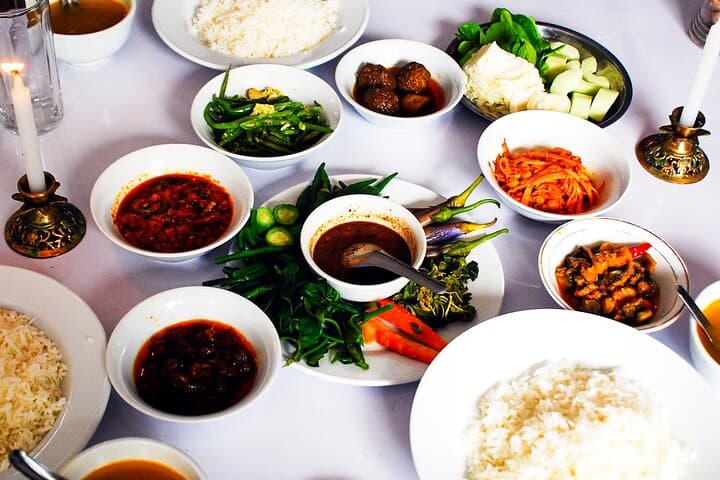
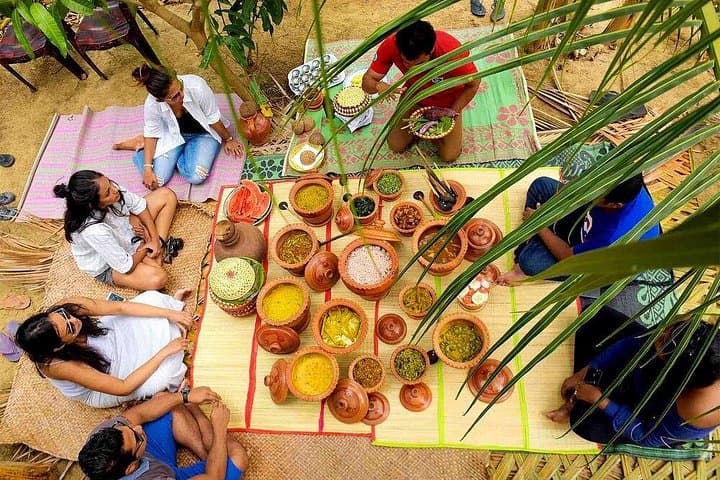
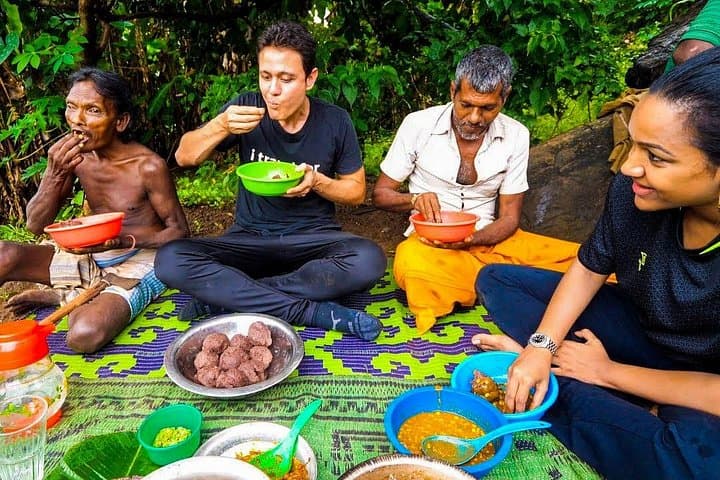
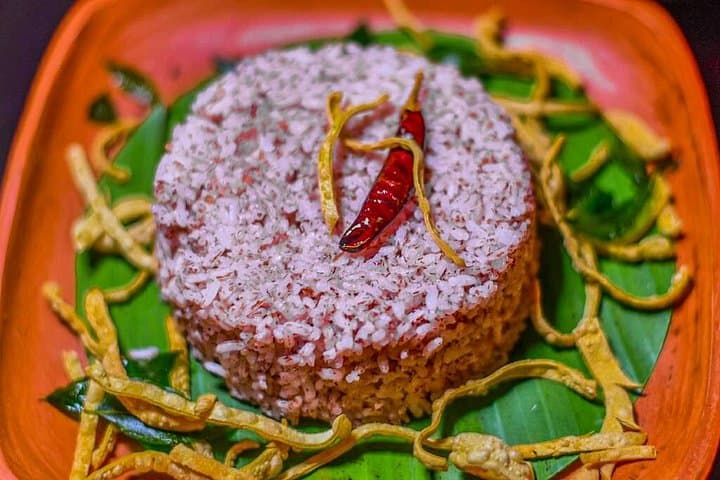
Step into a sunlit village kitchen just outside Tissamaharama, where steam rises from clay pots and the scent of roasted cinnamon and curry leaves threads through the air.
Step into a sunlit village kitchen just outside Tissamaharama, where steam rises from clay pots and the scent of roasted cinnamon and curry leaves threads through the air.
The chef greets the group, lays out mortar and pestle, and points to heaps of spices — cardamom, cloves, fenugreek — each with a role in the island’s layered flavors. Over the next two hours you’ll watch demonstrations from an experienced cook, then try your hand at kiribath (milk rice), maalu ambul thiyal (sour fish curry), potato curry and kokis under calm, practical instruction.
Sri Lankan cuisine reflects a history of maritime trade and local agriculture: spices brought by traders, rice paddies irrigated by ancient tanks, and coastal fish curries shaped by tidal rhythms. Around Tissamaharama you’ll see how freshwater crops and local markets supply the recipes you’ll taste.
Expect hands-on techniques — tempering spices in oil, balancing sour and heat, and using rock salt or tamarind for acidity — explained plainly and repeated until comfortable. Dishes are hearty and shared family-style at the end of the demo.
Practical notes: the session runs about two hours and involves standing, stirring and occasional light chopping. Wear closed-toe shoes and clothes you don’t mind smelling like spices. Tell hosts about allergies in advance; many ingredients can be adjusted.
This class trades culinary theatre for practical skills: leave with recipes, a better sense of Sri Lankan spice layering, and a meal you made yourself — useful knowledge for home cooks and travelers wanting a tactile taste of southern Sri Lanka.