THE ADVENTURE COLLECTIVE® · Independent discovery and booking for outdoor travel

Learn to make red rice, fish ambul thiyal and coconut sambol in a two-hour hands-on class led by a mother-and-daughter team in Hikkaduwa. The workshop blends practical technique—like coconut scraping—with cultural context and a recipe booklet to take home.
Learn to make red rice, fish ambul thiyal and coconut sambol in a two-hour hands-on class led by a mother-and-daughter team in Hikkaduwa. The workshop blends practical technique—like coconut scraping—with cultural context and a recipe booklet to take home.
A teak table, a mortar and pestle, and the warm tang of lime set the scene as the class begins in a family kitchen a short walk from Hikkaduwa’s shoreline. The instructor guides small groups through seven dishes—red rice, fish ambul thiyal, dhal, coconut sambol, gotu kola, manioc and papadam—while the sea breeze teases fragrant curry leaves through an open doorway.
Verified experiences and guided adventures in the surrounding area.
Operated by Sri Lanka Chamo Tours · Hikkaduwa, Southern Province
A teak table, a mortar and pestle, and the warm tang of lime set the scene as the class begins in a family kitchen a short walk from Hikkaduwa’s shoreline. The instructor guides small groups through seven dishes—red rice, fish ambul thiyal, dhal, coconut sambol, gotu kola, manioc and papadam—while the sea breeze teases fragrant curry leaves through an open doorway.
Sri Lankan cuisine evolved where Indian, Arab and colonial trading routes met the island’s spice-rich interior. In the south, coastal fish, grated coconut and fiery red chilies define daily plates; techniques like coconut scraping and souring fish with goraka (koggala) connect modern cooks to centuries of coastal practice. The class doubles as a cultural primer: expect hands-on instruction from Ranga and her mother, who mix demonstration with local anecdotes about market rhythms and family meals.
Practically, this is a short, focused workshop—about two hours—ideal for travelers who want usable meal recipes to take home. Participants prepare and eat their creations, learn spice blends, and take home a booklet of recipes. Bring clear dietary notes for substitutions, arrive with comfortable, easy-to-wash clothing, and plan for a casual, social pace rather than a formal cooking-school syllabus.
This experience suits curious food travelers and home cooks who prefer direct practice over passive demos. It’s one kitchen session that hands you techniques to recreate Sri Lankan flavors long after the trip ends.
easy.
2 hours.
Minimal physical exertion; participants should be able to stand and move for two hours.
Yes—hosts can adjust dishes and offer vegetarian alternatives if informed at booking or on arrival.
This is a small private session led by Ranga and her mother, typically a few participants for hands-on practice.
Yes—a booklet with spice mixes and step-by-step instructions is provided so you can recreate the dishes later.
Yes—Hikkaduwa is served by local buses and trains; hosts note public transport options are available nearby.
Coastal Sri Lankan cuisine reflects centuries of trade—Arab, Indian and European traders introduced spices and techniques that shaped local curries and pickles.
Support small family businesses and avoid single-use plastics; buying local spices and using reusable containers helps reduce waste.
Sri Lanka Chamo Tours operates guided outdoor trips and adventures with an emphasis on safety, stewardship, and memorable experiences.


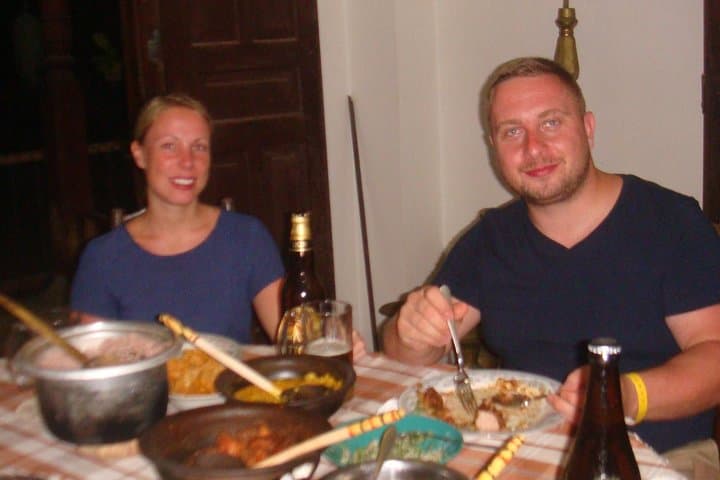
A teak table, a mortar and pestle, and the warm tang of lime set the scene as the class begins in a family kitchen a short walk from Hikkaduwa’s shoreline. The instructor guides small groups through seven dishes—red rice, fish ambul thiyal, dhal, coconut sambol, gotu kola, manioc and papadam—while the sea breeze teases fragrant curry leaves through an open doorway.
A teak table, a mortar and pestle, and the warm tang of lime set the scene as the class begins in a family kitchen a short walk from Hikkaduwa’s shoreline. The instructor guides small groups through seven dishes—red rice, fish ambul thiyal, dhal, coconut sambol, gotu kola, manioc and papadam—while the sea breeze teases fragrant curry leaves through an open doorway.
Sri Lankan cuisine evolved where Indian, Arab and colonial trading routes met the island’s spice-rich interior. In the south, coastal fish, grated coconut and fiery red chilies define daily plates; techniques like coconut scraping and souring fish with goraka (koggala) connect modern cooks to centuries of coastal practice. The class doubles as a cultural primer: expect hands-on instruction from Ranga and her mother, who mix demonstration with local anecdotes about market rhythms and family meals.
Practically, this is a short, focused workshop—about two hours—ideal for travelers who want usable meal recipes to take home. Participants prepare and eat their creations, learn spice blends, and take home a booklet of recipes. Bring clear dietary notes for substitutions, arrive with comfortable, easy-to-wash clothing, and plan for a casual, social pace rather than a formal cooking-school syllabus.
This experience suits curious food travelers and home cooks who prefer direct practice over passive demos. It’s one kitchen session that hands you techniques to recreate Sri Lankan flavors long after the trip ends.