THE ADVENTURE COLLECTIVE® · Independent discovery and booking for outdoor travel

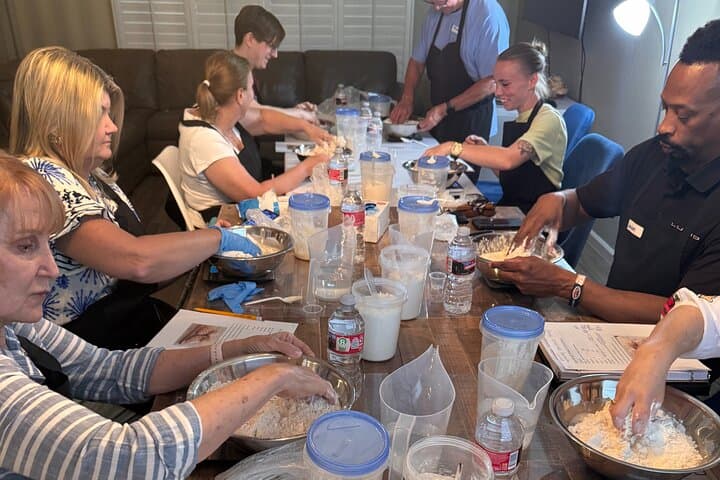
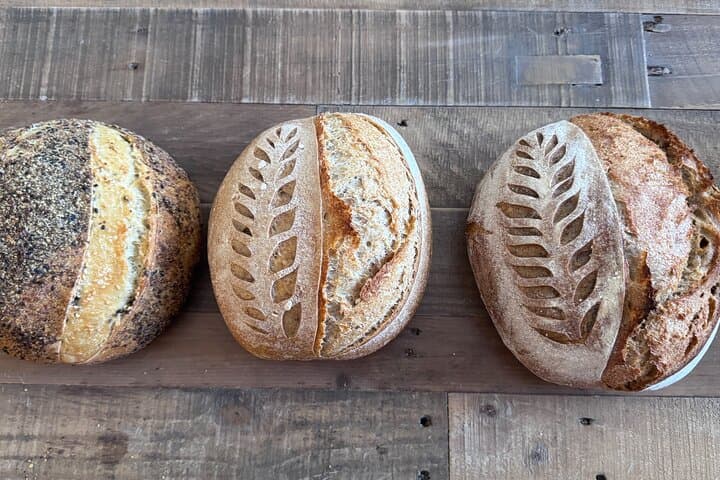
Spend two hours learning traditional sourdough techniques from a 19-year-old starter in Scottsdale. This hands-on workshop covers mixing, folding, shaping, a tasting, and leaves you with dough to bake at home.
Spend two hours learning traditional sourdough techniques from a 19-year-old starter in Scottsdale. This hands-on workshop covers mixing, folding, shaping, a tasting, and leaves you with dough to bake at home.
You step into a warm kitchen as late-afternoon Sonoran light angles through a window, the scent of toasted flour and yeast already in the air. A steaming kettle hisses; a 19-year-old sourdough starter sits in a glass jar like a living map of time. Over two hours the room becomes a small laboratory of texture, sound and smell—hands working, dough relaxing, a community forming around a single loaf.
Verified experiences and guided adventures in the surrounding area.
Operated by Sourdough & Smiles · Scottsdale, Arizona
You step into a warm kitchen as late-afternoon Sonoran light angles through a window, the scent of toasted flour and yeast already in the air. A steaming kettle hisses; a 19-year-old sourdough starter sits in a glass jar like a living map of time. Over two hours the room becomes a small laboratory of texture, sound and smell—hands working, dough relaxing, a community forming around a single loaf.
Sourdough is both ancient technique and local craft. Wild-fermentation predates commercial yeast by millennia, and in Scottsdale the modern food scene borrows from that lineage—artisan grains, small-batch methods and a focus on provenance. Geologically, you're in the Salt River basin at the edge of the McDowell Mountains: desert light, granite outcrops and a climate that favors low-humidity proofing compared with coastal kitchens.
Culturally this workshop fits Scottsdale’s evolving culinary identity: daytime farmers markets and evening chef-driven menus, with home bakers and small bakeries sharing knowledge. Expect a clear, practical lesson plan—mix, autolyse, stretch-and-fold, shape, and proof—followed by a tasting of fresh bread with simple dips and take-home dough to finish in your oven.
Practical notes: come ready to get flour on your hands and clothing, wear comfortable shoes for standing, and allow the full two hours for hands-on learning. The instructor will cover hydration percentages, temperature control, and troubleshooting—so you'll leave with both a tangible dough and the confidence to reproduce the loaf at home. This is a compact, high-value way to bring traditional sourdough into your kitchen practice.
easy.
2 hours.
Light physical activity; suitable for most people who can stand for short periods and use hands for mixing and shaping.
No—this workshop is designed for beginners and home bakers; the instructor demonstrates each step and supervises hands-on practice.
No—the class focuses on mixing, shaping and proofing; you'll take home dough ready to bake in your own oven, plus instructions.
Yes—notify the host when booking or via the platform’s special requirements field so they can plan safe ingredients and alternatives.
Timing depends on your kitchen temperature and schedule; the instructor will provide guidance, but typical final proofing at home ranges from 2–6 hours at room temperature or overnight in the fridge.
Sourdough’s technique dates back centuries; the workshop’s 19-year starter links contemporary baking to long-running household fermentation traditions.
Hosts often emphasize reducing food waste, using local grains when possible and composting trimmings—small choices that cut the bakery footprint.
Sourdough & Smiles operates guided outdoor trips and adventures with an emphasis on safety, stewardship, and memorable experiences.


You step into a warm kitchen as late-afternoon Sonoran light angles through a window, the scent of toasted flour and yeast already in the air. A steaming kettle hisses; a 19-year-old sourdough starter sits in a glass jar like a living map of time. Over two hours the room becomes a small laboratory of texture, sound and smell—hands working, dough relaxing, a community forming around a single loaf.
You step into a warm kitchen as late-afternoon Sonoran light angles through a window, the scent of toasted flour and yeast already in the air. A steaming kettle hisses; a 19-year-old sourdough starter sits in a glass jar like a living map of time. Over two hours the room becomes a small laboratory of texture, sound and smell—hands working, dough relaxing, a community forming around a single loaf.
Sourdough is both ancient technique and local craft. Wild-fermentation predates commercial yeast by millennia, and in Scottsdale the modern food scene borrows from that lineage—artisan grains, small-batch methods and a focus on provenance. Geologically, you're in the Salt River basin at the edge of the McDowell Mountains: desert light, granite outcrops and a climate that favors low-humidity proofing compared with coastal kitchens.
Culturally this workshop fits Scottsdale’s evolving culinary identity: daytime farmers markets and evening chef-driven menus, with home bakers and small bakeries sharing knowledge. Expect a clear, practical lesson plan—mix, autolyse, stretch-and-fold, shape, and proof—followed by a tasting of fresh bread with simple dips and take-home dough to finish in your oven.
Practical notes: come ready to get flour on your hands and clothing, wear comfortable shoes for standing, and allow the full two hours for hands-on learning. The instructor will cover hydration percentages, temperature control, and troubleshooting—so you'll leave with both a tangible dough and the confidence to reproduce the loaf at home. This is a compact, high-value way to bring traditional sourdough into your kitchen practice.