THE ADVENTURE COLLECTIVE® · Independent discovery and booking for outdoor travel

Put on hakama, lift a katana and learn basic samurai stance in a guided, 75-minute session at the Samurai Museum in Shinjuku. This family-friendly, hands-on lesson pairs museum context with practical sword handling and photo opportunities.
Put on hakama, lift a katana and learn basic samurai stance in a guided, 75-minute session at the Samurai Museum in Shinjuku. This family-friendly, hands-on lesson pairs museum context with practical sword handling and photo opportunities.
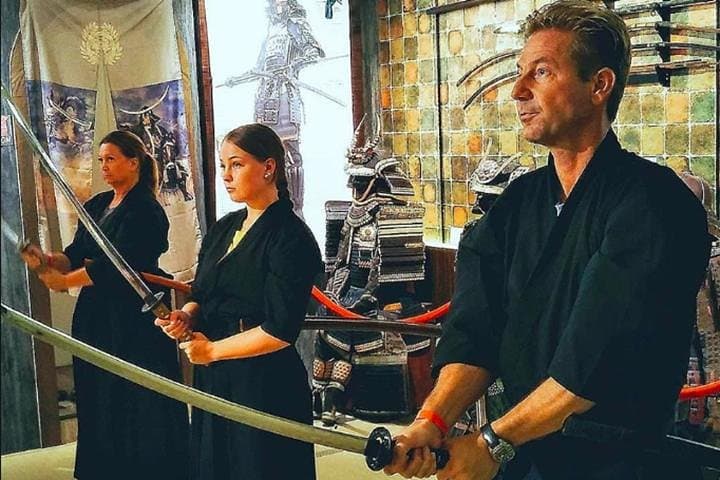
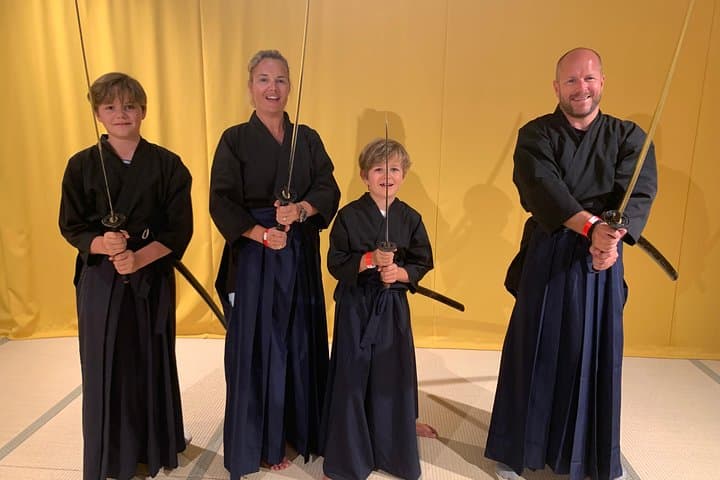
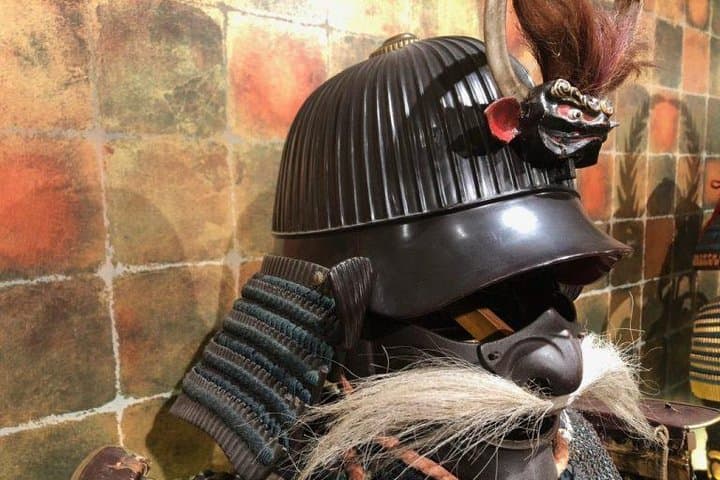
Step through a low-lit studio and the city noise thins; wooden handles and lacquered helmets catch the light while a row of katanas waits like disciplined teachers. In this 75-minute, family-friendly session at the Samurai Museum in Shinjuku you don traditional hakama, secure a kabuto (samurai helmet) and learn the fundamentals of stance, draw and cut under guided supervision.
Verified experiences and guided adventures in the surrounding area.
Operated by Maikoya · Tokyo, Tokyo
Step through a low-lit studio and the city noise thins; wooden handles and lacquered helmets catch the light while a row of katanas waits like disciplined teachers. In this 75-minute, family-friendly session at the Samurai Museum in Shinjuku you don traditional hakama, secure a kabuto (samurai helmet) and learn the fundamentals of stance, draw and cut under guided supervision.
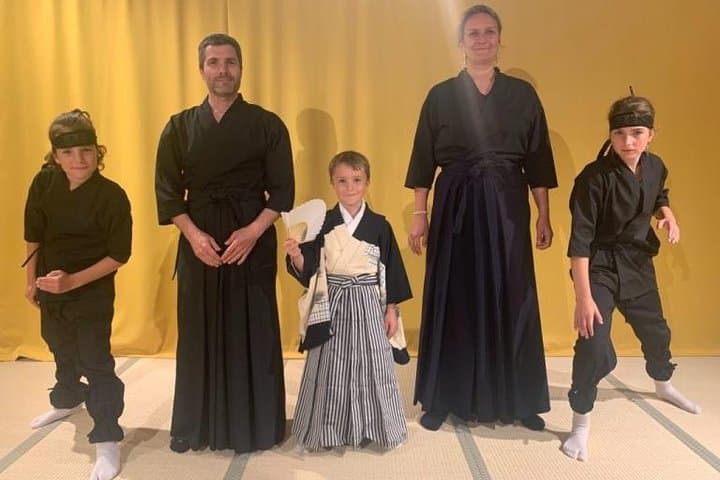
Tokyo’s samurai legacy stretches back centuries—regional warriors who shaped politics, art and armor-making. The museum collects Edo-period armor and blades that illustrate forging techniques and social roles; the studio lesson pairs that history with practical handling, showing how weight distribution and tsuba (handguards) affect motion. Expect hands-on sword drills, photo poses against samurai-themed backdrops, and a quick intro to ninja tools included in the experience.
Practicalities are straightforward: the activity runs about 75 minutes, accepts mobile tickets, and limits groups for safety and attention (max 16). Children under 6 cannot participate; the venue is wheelchair accessible. Wear comfortable, easy-to-change clothes—the hakama goes over them—and leave jewelry or loose valuables in your bag. Photography is allowed during posed shots but follow staff directions around the blades.
Arrival 10–15 minutes early smooths fitting and orientation. This is a cultural, not combative, lesson—focus is on respect, technique and safe handling rather than sparring. For families and first-timers it’s an efficient, vivid primer on samurai craft and etiquette, and a rare chance to feel the balance of an authentic katana in your hands.
easy.
1–1.5 hours.
Suitable for most fitness levels; requires basic mobility for dressing and light movement
Yes—children under 6 cannot enter; the program is family-friendly for older children but requires parental discretion for younger participants.
Yes—the venue notes wheelchair accessibility; inform staff of any mobility needs when booking.
Photography is allowed for posed shots and final photos, but follow instructor directions—phone use during drills may be restricted for safety.
No—this is an introductory, safety-focused lesson designed for beginners and families.
The museum contextualizes samurai culture from the Muromachi and Edo periods, showing how armor, swordsmithing and etiquette evolved with Japan’s social structure.
The venue emphasizes careful handling and conservation of blades and armor; visitors should follow rules to minimize wear and respect historic artifacts.
Maikoya operates guided outdoor trips and adventures with an emphasis on safety, stewardship, and memorable experiences.
Step through a low-lit studio and the city noise thins; wooden handles and lacquered helmets catch the light while a row of katanas waits like disciplined teachers. In this 75-minute, family-friendly session at the Samurai Museum in Shinjuku you don traditional hakama, secure a kabuto (samurai helmet) and learn the fundamentals of stance, draw and cut under guided supervision.
Step through a low-lit studio and the city noise thins; wooden handles and lacquered helmets catch the light while a row of katanas waits like disciplined teachers. In this 75-minute, family-friendly session at the Samurai Museum in Shinjuku you don traditional hakama, secure a kabuto (samurai helmet) and learn the fundamentals of stance, draw and cut under guided supervision.
Tokyo’s samurai legacy stretches back centuries—regional warriors who shaped politics, art and armor-making. The museum collects Edo-period armor and blades that illustrate forging techniques and social roles; the studio lesson pairs that history with practical handling, showing how weight distribution and tsuba (handguards) affect motion. Expect hands-on sword drills, photo poses against samurai-themed backdrops, and a quick intro to ninja tools included in the experience.
Practicalities are straightforward: the activity runs about 75 minutes, accepts mobile tickets, and limits groups for safety and attention (max 16). Children under 6 cannot participate; the venue is wheelchair accessible. Wear comfortable, easy-to-change clothes—the hakama goes over them—and leave jewelry or loose valuables in your bag. Photography is allowed during posed shots but follow staff directions around the blades.
Arrival 10–15 minutes early smooths fitting and orientation. This is a cultural, not combative, lesson—focus is on respect, technique and safe handling rather than sparring. For families and first-timers it’s an efficient, vivid primer on samurai craft and etiquette, and a rare chance to feel the balance of an authentic katana in your hands.