THE ADVENTURE COLLECTIVE® · Independent discovery and booking for outdoor travel

Put on armor, throw a shuriken and try a blowgun in central Tokyo: the Samurai Ninja Museum pairs hands-on demos with concise history. A one-hour, family-friendly experience that brings Edo-era skills into the present.
Put on armor, throw a shuriken and try a blowgun in central Tokyo: the Samurai Ninja Museum pairs hands-on demos with concise history. A one-hour, family-friendly experience that brings Edo-era skills into the present.
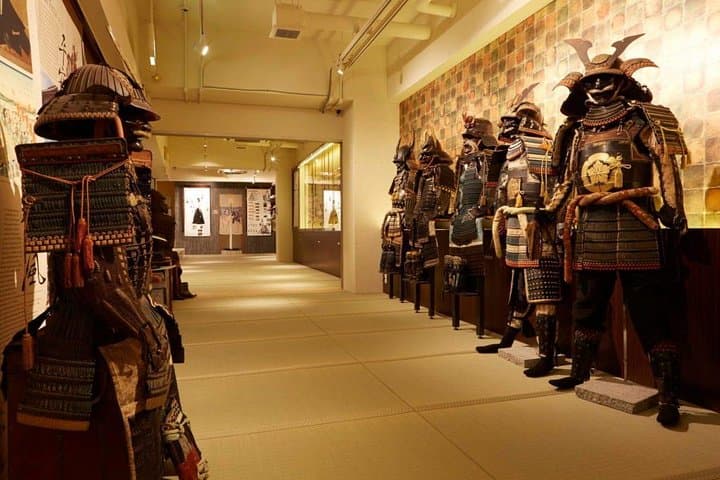
Steam of city traffic fades as you step through the museum door and into a dim room where lacquered armor glints and the air smells faintly of oiled wood—Tokyo reduced to a corridor that opens onto Edo-era performance.
Verified experiences and guided adventures in the surrounding area.
Operated by Maikoya · Tokyo, Tokyo
Steam of city traffic fades as you step through the museum door and into a dim room where lacquered armor glints and the air smells faintly of oiled wood—Tokyo reduced to a corridor that opens onto Edo-era performance.
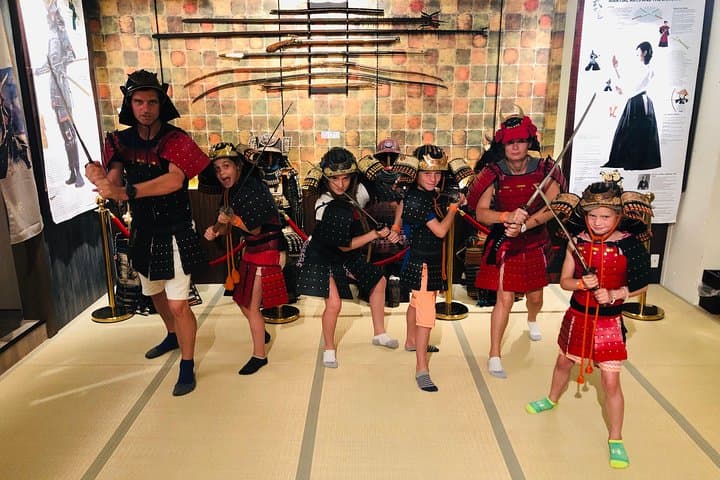
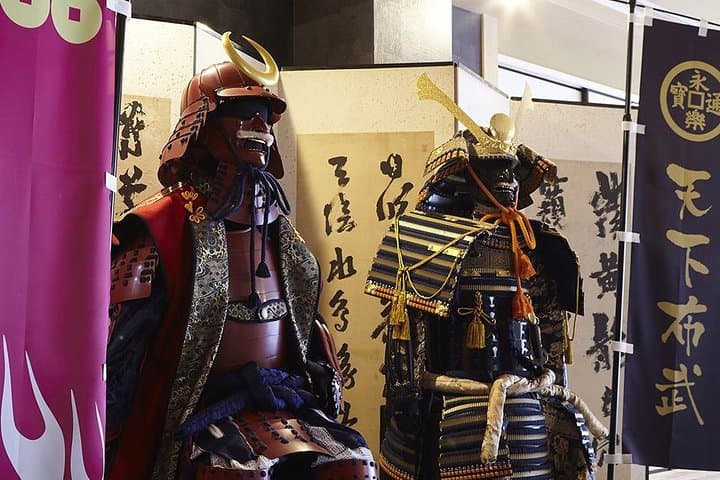
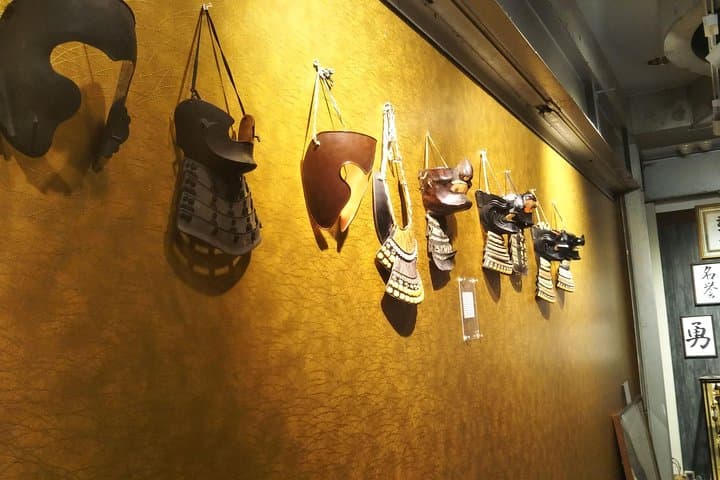
The Samurai Ninja Museum Tokyo turns theatrical history into a short, active apprenticeship: try on samurai armor, learn basic sword posture, launch a shuriken in a supervised range and test a blowgun. The displays explain feudal ranks and weapon craft, and guides place each technique in context—why armor sat the way it did, how ninja tools evolved for concealment rather than grandeur.
Asakusa’s streets, carved by the Sumida River, were a crossroads of merchants and performers; this museum threads that social history into martial craft rather than military myth. There’s no dramatic geology here—Tokyo’s flat river plain gave rise to dense neighborhoods where trades like blacksmithing and weapon-making clustered—and those trades inform many exhibits.
Practical guidance: tours are short (about 60 minutes) and paced for all ages; you'll move between exhibit rooms and the activity area. Wear comfortable layers you can move in and shoes you can slip off if you try on armor. Book the mobile ticket in advance to skip lines; groups are small but can be active, so keep valuables secure. Photography rules may apply during demonstrations. The experience is tactile and educational—expect friendly instruction, a bit of theatrical flair, and take-home photos that make the history feel immediate.
easy.
1 hour.
Suitable for people of average mobility; minimal physical exertion but requires bending and basic balance for some demonstrations
Yes—children can participate but must be accompanied by an adult; some armor pieces and activities have size or age limits.
Guides typically offer English explanations; check language availability when booking if you need another language.
Photography is generally allowed in exhibit areas; some live demonstrations or close-up fittings may restrict flash or photos—follow staff instructions.
Full refunds are available if you cancel at least 24 hours before the scheduled time; last-minute cancellations are non-refundable.
The museum frames samurai and ninja practices within Edo-period urban life; many tools on display come from guilds and workshops that clustered in river plain neighborhoods.
The museum focuses on preserving and demonstrating cultural crafts responsibly; visitors are encouraged to follow handling rules to protect historic replicas and traditional materials.
Maikoya operates guided outdoor trips and adventures with an emphasis on safety, stewardship, and memorable experiences.
Steam of city traffic fades as you step through the museum door and into a dim room where lacquered armor glints and the air smells faintly of oiled wood—Tokyo reduced to a corridor that opens onto Edo-era performance.
Steam of city traffic fades as you step through the museum door and into a dim room where lacquered armor glints and the air smells faintly of oiled wood—Tokyo reduced to a corridor that opens onto Edo-era performance.
The Samurai Ninja Museum Tokyo turns theatrical history into a short, active apprenticeship: try on samurai armor, learn basic sword posture, launch a shuriken in a supervised range and test a blowgun. The displays explain feudal ranks and weapon craft, and guides place each technique in context—why armor sat the way it did, how ninja tools evolved for concealment rather than grandeur.
Asakusa’s streets, carved by the Sumida River, were a crossroads of merchants and performers; this museum threads that social history into martial craft rather than military myth. There’s no dramatic geology here—Tokyo’s flat river plain gave rise to dense neighborhoods where trades like blacksmithing and weapon-making clustered—and those trades inform many exhibits.
Practical guidance: tours are short (about 60 minutes) and paced for all ages; you'll move between exhibit rooms and the activity area. Wear comfortable layers you can move in and shoes you can slip off if you try on armor. Book the mobile ticket in advance to skip lines; groups are small but can be active, so keep valuables secure. Photography rules may apply during demonstrations. The experience is tactile and educational—expect friendly instruction, a bit of theatrical flair, and take-home photos that make the history feel immediate.