THE ADVENTURE COLLECTIVE® · Independent discovery and booking for outdoor travel

Put on kimono and hakama, learn basic sword drawing and cutting, then stage a short chambara fight under instructors with film experience. This hour-long dojo session is hands-on, safe for beginners, and allows photos and video.
Put on kimono and hakama, learn basic sword drawing and cutting, then stage a short chambara fight under instructors with film experience. This hour-long dojo session is hands-on, safe for beginners, and allows photos and video.
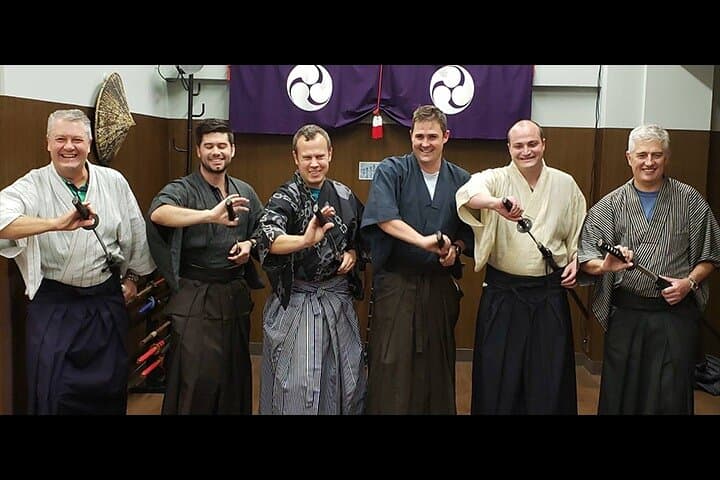
On arrival you step through a low doorway into a room arranged like an Edo-period dojo: wooden floors, rows of armor, and the quiet focus of instructors who move with practiced precision.
Verified experiences and guided adventures in the surrounding area.
Operated by Samurai Theater Tokyo · Tokyo, Tokyo
On arrival you step through a low doorway into a room arranged like an Edo-period dojo: wooden floors, rows of armor, and the quiet focus of instructors who move with practiced precision.
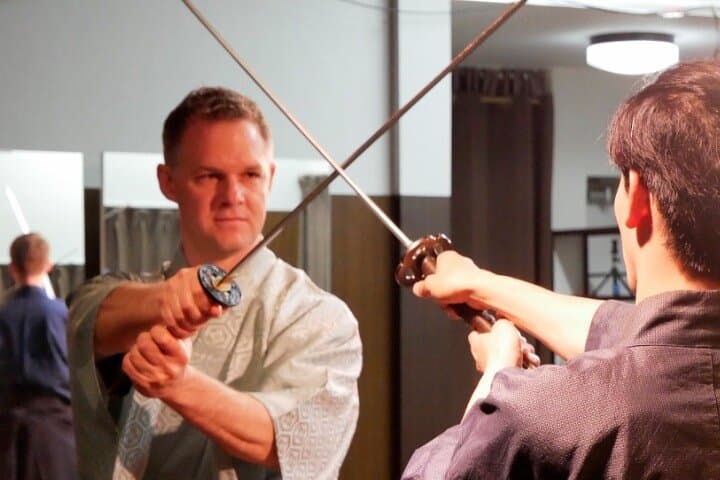
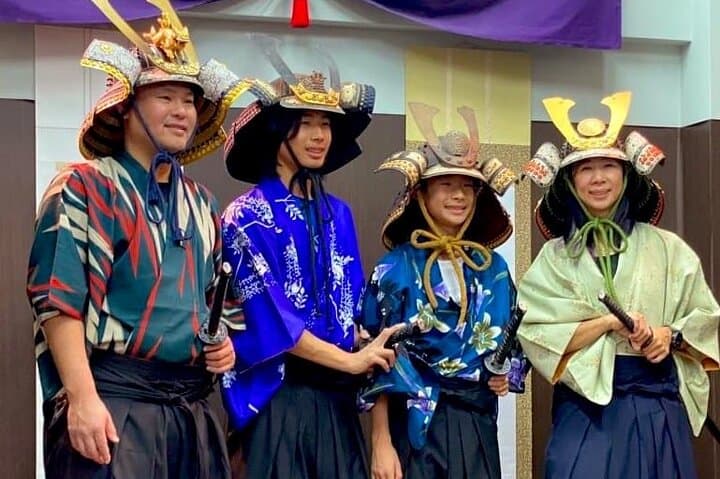
The session begins with costume—kimono and hakama folded and secured—then shifts to fundamentals: how to draw (nukitsuke), how to hold (kamae), and the arc of a controlled cut. Instructors trained for film and theater guide students through simple chambara (staged sword choreography) and a short, music-backed mock combat that lets visitors practice timing and footwork.
Historically, samurai culture grew from feudal Japan’s warrior classes; the techniques taught here echo centuries-old kata updated for safety and public instruction. Geologically Tokyo sits on alluvial plains, so the dojo’s wooden interior references traditional building materials rather than local rock; culturally, the performance reflects Edo-era aesthetics and modern popularization through cinema and TV.
Practical guidance: wear or bring comfortable clothing that slips easily under a costume and closed-toe shoes you can remove quickly. Sessions move at a beginner pace and are suitable for solo visitors; photography and video are allowed, so bring a charged phone. Expect light physical movement—stance work and slow swings—so hydrate and arrive 10–15 minutes early for fitting and orientation.
This is a compact, high-engagement cultural activity that blends instruction with performance: perfect for travelers who want an active souvenir beyond photos and a clearer sense of samurai technique and etiquette.
easy.
1 hour.
Suitable for most fitness levels; expect brief standing, footwork and controlled swings
Yes—photography and smartphone video are allowed inside the dojo; instructors may ask you to pause during certain demonstrations.
No. The program is designed for beginners and focuses on safe fundamentals, stance, and choreography.
Children can join but check age or size restrictions with the operator; infants are generally required to sit on laps and not participate.
Full refund if you cancel at least 24 hours before the scheduled time; same-day cancellations are typically non-refundable.
The samurai tradition grew during Japan’s feudal eras; the dojo recreates Edo-period practice and costume while adapting techniques for modern public instruction.
The venue preserves martial heritage by maintaining authentic-looking armor and responsibly displaying replicas; visitors are asked to follow handling rules and leave no traces.
Samurai Theater Tokyo operates guided outdoor trips and adventures with an emphasis on safety, stewardship, and memorable experiences.

On arrival you step through a low doorway into a room arranged like an Edo-period dojo: wooden floors, rows of armor, and the quiet focus of instructors who move with practiced precision.
On arrival you step through a low doorway into a room arranged like an Edo-period dojo: wooden floors, rows of armor, and the quiet focus of instructors who move with practiced precision.
The session begins with costume—kimono and hakama folded and secured—then shifts to fundamentals: how to draw (nukitsuke), how to hold (kamae), and the arc of a controlled cut. Instructors trained for film and theater guide students through simple chambara (staged sword choreography) and a short, music-backed mock combat that lets visitors practice timing and footwork.
Historically, samurai culture grew from feudal Japan’s warrior classes; the techniques taught here echo centuries-old kata updated for safety and public instruction. Geologically Tokyo sits on alluvial plains, so the dojo’s wooden interior references traditional building materials rather than local rock; culturally, the performance reflects Edo-era aesthetics and modern popularization through cinema and TV.
Practical guidance: wear or bring comfortable clothing that slips easily under a costume and closed-toe shoes you can remove quickly. Sessions move at a beginner pace and are suitable for solo visitors; photography and video are allowed, so bring a charged phone. Expect light physical movement—stance work and slow swings—so hydrate and arrive 10–15 minutes early for fitting and orientation.
This is a compact, high-engagement cultural activity that blends instruction with performance: perfect for travelers who want an active souvenir beyond photos and a clearer sense of samurai technique and etiquette.