THE ADVENTURE COLLECTIVE® · Independent discovery and booking for outdoor travel

Spend three hands-on hours learning to cook three Thai dishes in Pum’s theatre kitchen in Phuket. Small classes, practical technique and a recipe booklet make this a compact, repeatable introduction to Thai flavors.
Spend three hands-on hours learning to cook three Thai dishes in Pum’s theatre kitchen in Phuket. Small classes, practical technique and a recipe booklet make this a compact, repeatable introduction to Thai flavors.
Steam fogs the glass as a small group gathers around stainless-steel counters in Pum’s theatre kitchen, knives tapping rhythmically and the scent of kaffir lime and lemongrass hanging in the air. For three hours participants move from spice station to wok, choosing three dishes from curries, stir-fries, soups and salads and learning the practical tricks behind balance, heat control and Thai herbs.
Verified experiences and guided adventures in the surrounding area.
Operated by Oh-Hoo · Phuket, Phuket
Steam fogs the glass as a small group gathers around stainless-steel counters in Pum’s theatre kitchen, knives tapping rhythmically and the scent of kaffir lime and lemongrass hanging in the air. For three hours participants move from spice station to wok, choosing three dishes from curries, stir-fries, soups and salads and learning the practical tricks behind balance, heat control and Thai herbs.
Phuket's food culture reflects centuries of coastal trade—Chinese miners, Malay fishermen and Portuguese sailors all left culinary marks—so Pum’s lessons fold technique into regional stories: why coconut milk stabilizes curry, where fish sauce came from, and how local markets dictate a dish’s final shape. The kitchen sits in a busy townscape where fresh produce arrives daily, and the class ends with a communal meal and a recipe booklet to take home.
Practical guidance: classes run roughly three hours and are offered daily at mid-morning and two evening slots; groups are intentionally small (8–10 people). Expect hands-on prep, a fast-moving demo component, and tasting as you go. Wear closed-toe shoes and short sleeves or roll-up sleeves to keep safe around woks. Communicate dietary restrictions when booking—vegetarian options are available—and arrive 10 minutes early to settle in. Photographs are welcome, and bottled water is provided. This is a pragmatic, sensory introduction to Thai cooking: you’ll leave with recipes, techniques you can repeat in a home kitchen, and a firmer sense of Phuket’s culinary influences.
easy.
3 hours.
Light physical activity—standing, some chopping and stove work; suitable for most adult fitness levels
No. The class is designed for beginners and intermediate cooks; instructors demonstrate techniques and then guide you through hands-on steps.
Yes—vegetarian options are available and instructors can adjust many dishes; inform them when booking and on arrival.
Yes—child tickets are offered for ages 6–11 and children share a cooking station with their parents; younger children may find the kitchen pace challenging.
Pickup may be offered—booking asks for a pickup point and the listing notes arrival can be on your own or with the provider’s driver, so confirm at booking.
Phuket’s cuisine developed through maritime trade and waves of immigration—Chinese miners and Malay seafarers influenced local flavors and ingredient use.
Choose restaurants and classes that source local, sustainably caught seafood and minimize food waste; supporting small kitchens helps keep traditional techniques alive.
Oh-Hoo operates guided outdoor trips and adventures with an emphasis on safety, stewardship, and memorable experiences.
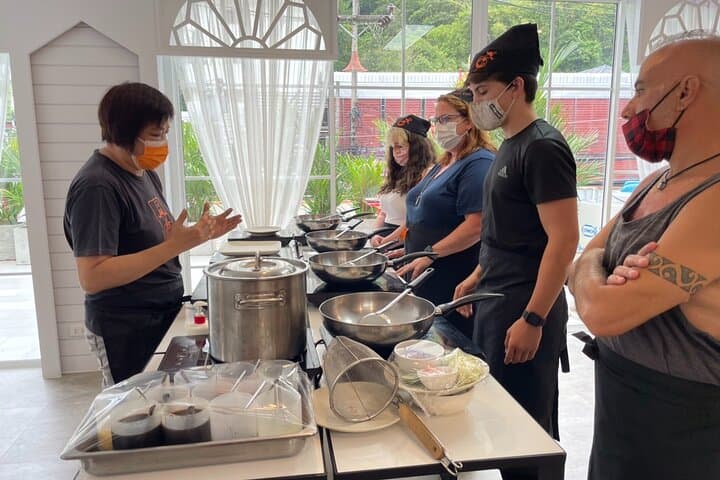
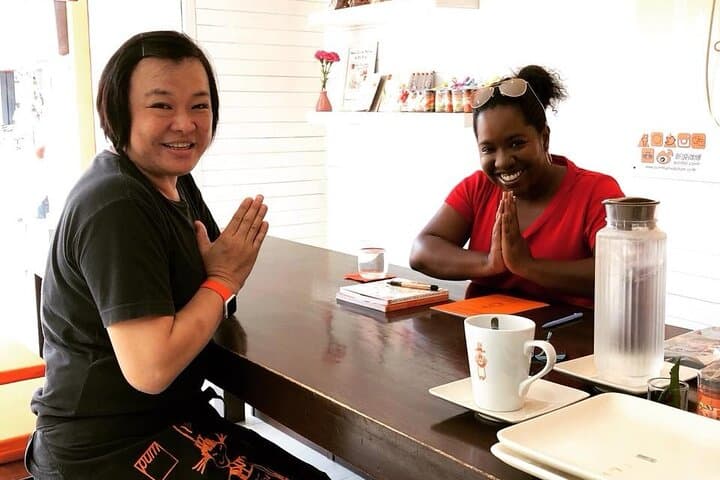
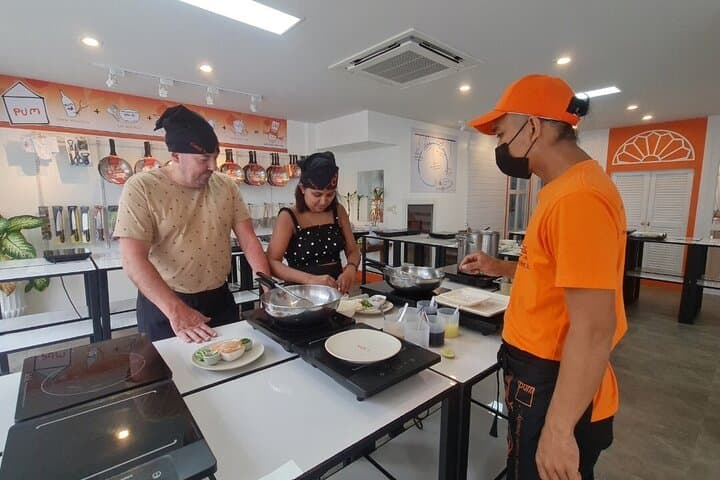
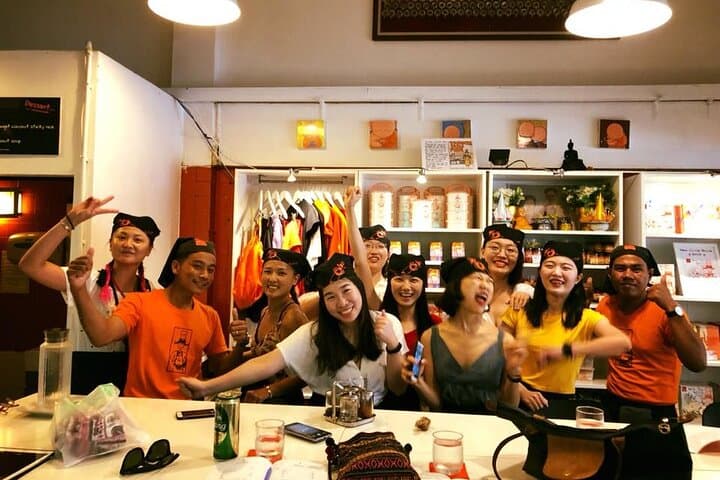
Steam fogs the glass as a small group gathers around stainless-steel counters in Pum’s theatre kitchen, knives tapping rhythmically and the scent of kaffir lime and lemongrass hanging in the air. For three hours participants move from spice station to wok, choosing three dishes from curries, stir-fries, soups and salads and learning the practical tricks behind balance, heat control and Thai herbs.
Steam fogs the glass as a small group gathers around stainless-steel counters in Pum’s theatre kitchen, knives tapping rhythmically and the scent of kaffir lime and lemongrass hanging in the air. For three hours participants move from spice station to wok, choosing three dishes from curries, stir-fries, soups and salads and learning the practical tricks behind balance, heat control and Thai herbs.
Phuket's food culture reflects centuries of coastal trade—Chinese miners, Malay fishermen and Portuguese sailors all left culinary marks—so Pum’s lessons fold technique into regional stories: why coconut milk stabilizes curry, where fish sauce came from, and how local markets dictate a dish’s final shape. The kitchen sits in a busy townscape where fresh produce arrives daily, and the class ends with a communal meal and a recipe booklet to take home.
Practical guidance: classes run roughly three hours and are offered daily at mid-morning and two evening slots; groups are intentionally small (8–10 people). Expect hands-on prep, a fast-moving demo component, and tasting as you go. Wear closed-toe shoes and short sleeves or roll-up sleeves to keep safe around woks. Communicate dietary restrictions when booking—vegetarian options are available—and arrive 10 minutes early to settle in. Photographs are welcome, and bottled water is provided. This is a pragmatic, sensory introduction to Thai cooking: you’ll leave with recipes, techniques you can repeat in a home kitchen, and a firmer sense of Phuket’s culinary influences.