THE ADVENTURE COLLECTIVE® · Independent discovery and booking for outdoor travel

Shop a bustling Poblano market, learn the layered history behind mole, then cook and taste classic dishes in a hands-on 4-hour workshop — perfect for food lovers wanting a market-to-table experience.
Shop a bustling Poblano market, learn the layered history behind mole, then cook and taste classic dishes in a hands-on 4-hour workshop — perfect for food lovers wanting a market-to-table experience.
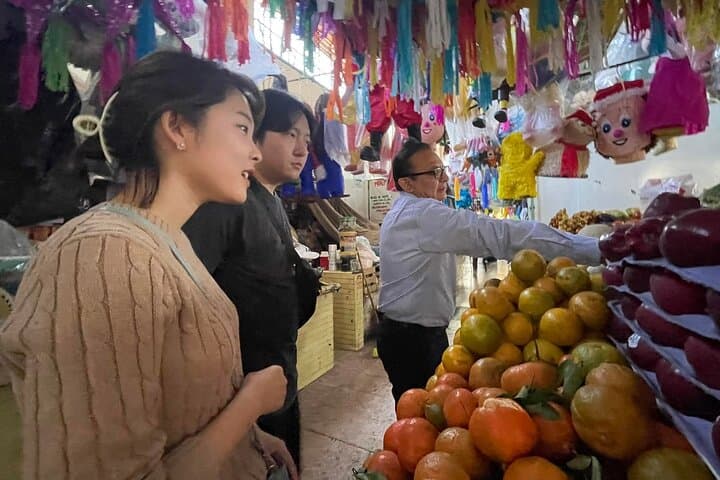
You step out of a narrow street into a market that declares itself in spices: chiles drying in the sun, toasted sesame seeds, fresh hoja santa leaves brushing your wrists. The guide hands you a woven basket and the day becomes a sequence of small discoveries — the crackle of tortillas on a comal, the smoky whisper of roasted cacao and ancho chiles, vendors who have sold the same recipes for generations.
Verified experiences and guided adventures in the surrounding area.
Operated by CASA MEXICANA TOUR OPERADORA · Puebla, Puebla
You step out of a narrow street into a market that declares itself in spices: chiles drying in the sun, toasted sesame seeds, fresh hoja santa leaves brushing your wrists. The guide hands you a woven basket and the day becomes a sequence of small discoveries — the crackle of tortillas on a comal, the smoky whisper of roasted cacao and ancho chiles, vendors who have sold the same recipes for generations.
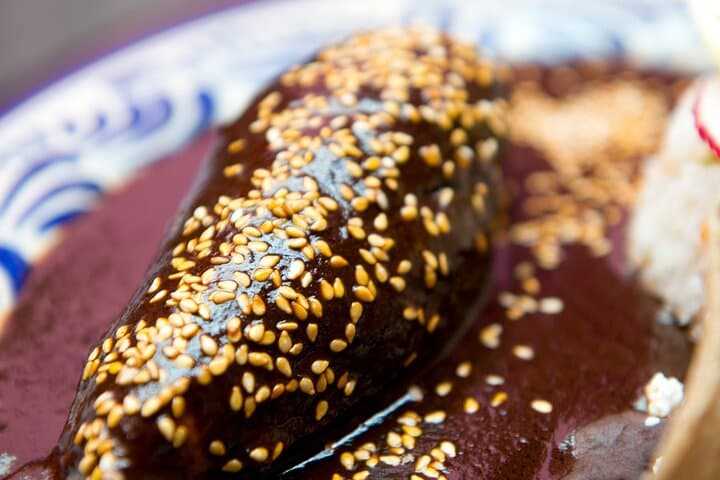
Puebla is the city most commonly associated with mole poblano, a sauce born from a collision of indigenous ingredients and colonial-era imports like almonds and chocolate. The region’s volcanic soils, fed by nearby volcanoes such as Popocatépetl, favor chiles and maize; the city’s markets reflect that layered geology and history. In the kitchen that follows, you’ll learn to combine pipianes and chiles with techniques shaped by local families and centuries of culinary exchange.
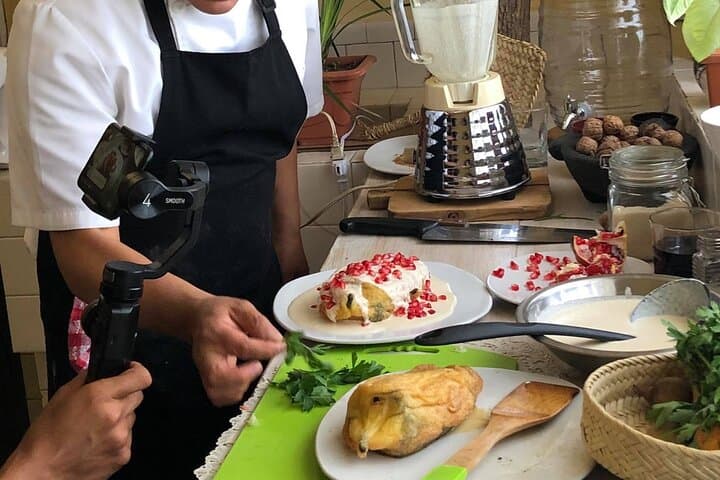
Practical guidance: this is a hands-on, 4-hour workshop that includes a market visit, ingredient shopping, and a cook-along culminating in a shared tasting or takeaway. Expect standing, simple prep work and some stove time; the hosts provide equipment and a tasting/brunch at the end. Bring cash (small bills) for market purchases, a lightweight notebook or phone for notes and photos, and flag any allergies when you book — mole and sauces use nuts, seeds and chocolate.
Timing-wise, morning markets are freshest for produce; midweek visits are less crowded. The experience is accessible for most fitness levels and makes a compact, sensory introduction to Puebla’s culinary culture.
easy.
3–4 hours.
Light activity; suitable for most people who can stand for short periods and do basic kitchen tasks.
The workshop lasts about 4 hours, including a 30–60 minute market visit and roughly 2–3 hours of hands-on cooking and tasting.
Yes—hosts ask about food restrictions at booking; common allergens in mole include nuts, seeds and chocolate, so communicate needs early to allow adjustments.
The activity notes that strollers are accessible and infants may ride in prams, but market aisles can be busy — plan accordingly.
Most experiences are conducted in Spanish with basic English support common; check with the operator if you require detailed translation.
Puebla’s cuisine reflects indigenous ingredients blended with Spanish colonial imports; mole poblano emerged as a regional specialty linked to convents and local households.
Support hosts who source ingredients from local vendors and small producers to reduce food miles; minimize food waste by taking leftovers or composting organic scraps.
CASA MEXICANA TOUR OPERADORA operates guided outdoor trips and adventures with an emphasis on safety, stewardship, and memorable experiences.
You step out of a narrow street into a market that declares itself in spices: chiles drying in the sun, toasted sesame seeds, fresh hoja santa leaves brushing your wrists. The guide hands you a woven basket and the day becomes a sequence of small discoveries — the crackle of tortillas on a comal, the smoky whisper of roasted cacao and ancho chiles, vendors who have sold the same recipes for generations.
You step out of a narrow street into a market that declares itself in spices: chiles drying in the sun, toasted sesame seeds, fresh hoja santa leaves brushing your wrists. The guide hands you a woven basket and the day becomes a sequence of small discoveries — the crackle of tortillas on a comal, the smoky whisper of roasted cacao and ancho chiles, vendors who have sold the same recipes for generations.
Puebla is the city most commonly associated with mole poblano, a sauce born from a collision of indigenous ingredients and colonial-era imports like almonds and chocolate. The region’s volcanic soils, fed by nearby volcanoes such as Popocatépetl, favor chiles and maize; the city’s markets reflect that layered geology and history. In the kitchen that follows, you’ll learn to combine pipianes and chiles with techniques shaped by local families and centuries of culinary exchange.
Practical guidance: this is a hands-on, 4-hour workshop that includes a market visit, ingredient shopping, and a cook-along culminating in a shared tasting or takeaway. Expect standing, simple prep work and some stove time; the hosts provide equipment and a tasting/brunch at the end. Bring cash (small bills) for market purchases, a lightweight notebook or phone for notes and photos, and flag any allergies when you book — mole and sauces use nuts, seeds and chocolate.
Timing-wise, morning markets are freshest for produce; midweek visits are less crowded. The experience is accessible for most fitness levels and makes a compact, sensory introduction to Puebla’s culinary culture.