THE ADVENTURE COLLECTIVE® · Independent discovery and booking for outdoor travel

Spend an immersive half-day in Kochi learning wheel-throwing, glazing and basic kiln work from a local master. This practical workshop pairs hands-on practice with local material knowledge—ideal for travelers who want a tactile cultural experience.
Spend an immersive half-day in Kochi learning wheel-throwing, glazing and basic kiln work from a local master. This practical workshop pairs hands-on practice with local material knowledge—ideal for travelers who want a tactile cultural experience.
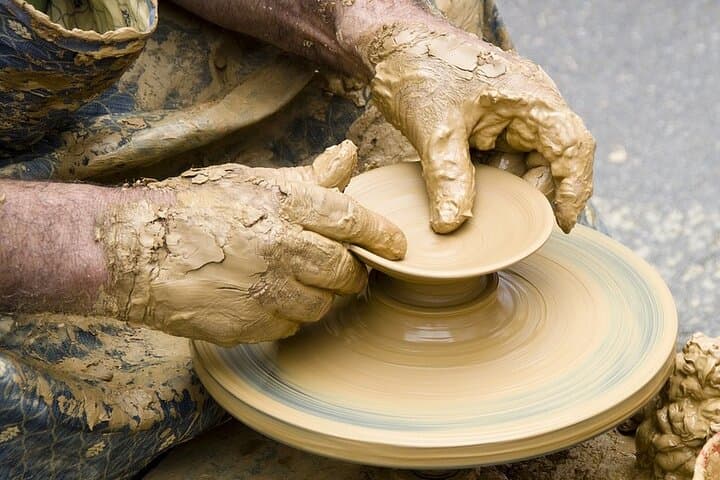
The studio smells of wet clay and coconut smoke; light from a high window slices across a spinning wheel as a local master taps the rhythm of decades into a student’s hands. In Kochi, this compact pottery session compresses craft history into an afternoon—wet clay yielding under pressure, surfaces smoothing into familiar coastal forms.
Verified experiences and guided adventures in the surrounding area.
Operated by Travel Component · Kochi, Kerala
The studio smells of wet clay and coconut smoke; light from a high window slices across a spinning wheel as a local master taps the rhythm of decades into a student’s hands. In Kochi, this compact pottery session compresses craft history into an afternoon—wet clay yielding under pressure, surfaces smoothing into familiar coastal forms.
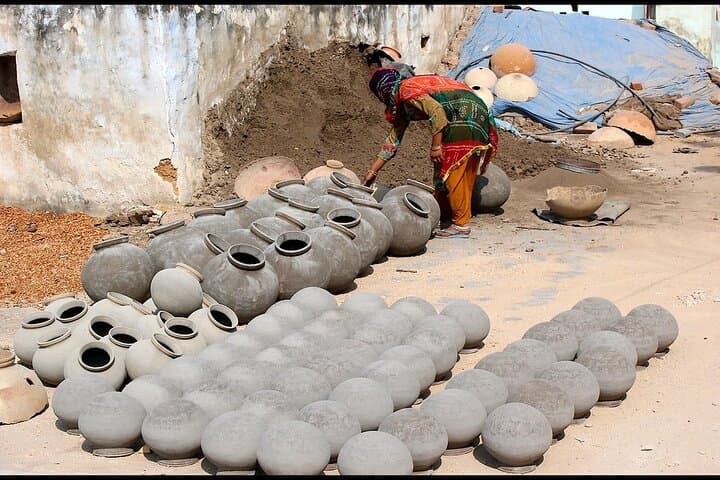
Pottery in Kerala draws on centuries of local craft tied to river silt and coastal clays brought by the Arabian Sea. The region’s soft alluvial clay makes throwing forgiving for beginners, while traditional glazing techniques reflect both South Indian aesthetics and trade-era influences from Arab and European merchants. The workshop sits in an urban neighborhood where the kiln’s heat blends with the town’s humid air, and the craft’s continuity is as much cultural practice as livelihood.
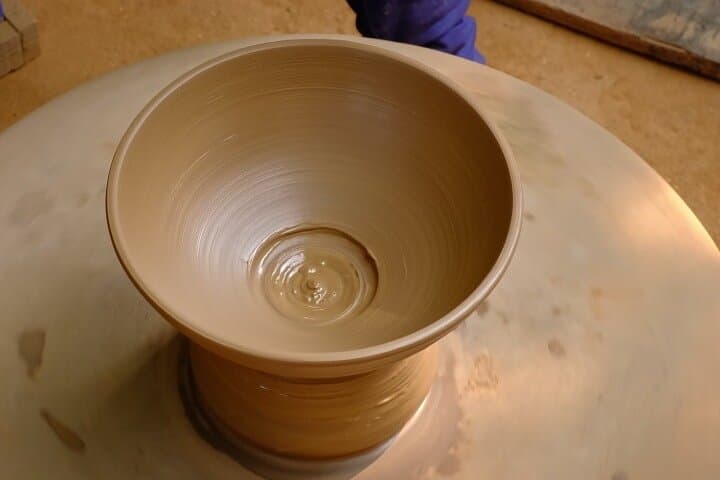
You’ll learn clay preparation, basic wheel-throwing, shaping by pressure points, decoration methods and glazing basics, plus an introduction to kiln operation. Expect hands-on repetition—centering, pulling, trimming—and at least one small finished piece to take away.
Practical guidance: schedule this in the morning or late afternoon to avoid peak humidity; wear clothes you don’t mind getting clay-splattered and shoes that can handle quick tile cleaning. Bring a small towel, a bottle of water, and a camera with a lens hood for indoor light. The host usually provides tools, aprons, and transport within the city center. For anyone curious about craft, this is an accessible, focused way to leave with a tangible memory and a basic command of wheel technique.
easy.
4–6 hours.
Suitable for most fitness levels; requires standing, light lifting and repetitive hand/arm movements.
Yes—private pickup and drop-off within the city center are typically included as part of the workshop.
You may take one unfired sample immediately; most wheel-thrown pieces require drying and kiln firing, so confirm arrangements for pickup or shipping.
Yes—sessions are designed for all experience levels; children should be supervised and the host may provide infant seats if needed.
Yes—the studio supplies clay, basic tools, aprons and access to glazing materials and the kiln for demonstration purposes.
Kochi’s ceramics tradition mixes local river-clay techniques with glazing influences introduced through centuries of maritime trade with Arab and European merchants.
Workshops often follow low-waste practices—ask about scrap clay recycling and water usage; local studios commonly reuse trimmings and minimize glaze runoff.
Travel Component operates guided outdoor trips and adventures with an emphasis on safety, stewardship, and memorable experiences.
The studio smells of wet clay and coconut smoke; light from a high window slices across a spinning wheel as a local master taps the rhythm of decades into a student’s hands. In Kochi, this compact pottery session compresses craft history into an afternoon—wet clay yielding under pressure, surfaces smoothing into familiar coastal forms.
The studio smells of wet clay and coconut smoke; light from a high window slices across a spinning wheel as a local master taps the rhythm of decades into a student’s hands. In Kochi, this compact pottery session compresses craft history into an afternoon—wet clay yielding under pressure, surfaces smoothing into familiar coastal forms.
Pottery in Kerala draws on centuries of local craft tied to river silt and coastal clays brought by the Arabian Sea. The region’s soft alluvial clay makes throwing forgiving for beginners, while traditional glazing techniques reflect both South Indian aesthetics and trade-era influences from Arab and European merchants. The workshop sits in an urban neighborhood where the kiln’s heat blends with the town’s humid air, and the craft’s continuity is as much cultural practice as livelihood.
You’ll learn clay preparation, basic wheel-throwing, shaping by pressure points, decoration methods and glazing basics, plus an introduction to kiln operation. Expect hands-on repetition—centering, pulling, trimming—and at least one small finished piece to take away.
Practical guidance: schedule this in the morning or late afternoon to avoid peak humidity; wear clothes you don’t mind getting clay-splattered and shoes that can handle quick tile cleaning. Bring a small towel, a bottle of water, and a camera with a lens hood for indoor light. The host usually provides tools, aprons, and transport within the city center. For anyone curious about craft, this is an accessible, focused way to leave with a tangible memory and a basic command of wheel technique.