THE ADVENTURE COLLECTIVE® · Independent discovery and booking for outdoor travel

In a bustling kitchen in Washington, D.C., learn dough handling, fermentation basics, and oven tricks in a two-hour, hands-on pizza class. Perfect for date nights or home cooks eager to master a crisp crust and balanced toppings.
In a bustling kitchen in Washington, D.C., learn dough handling, fermentation basics, and oven tricks in a two-hour, hands-on pizza class. Perfect for date nights or home cooks eager to master a crisp crust and balanced toppings.
You step into a bright, humming kitchen where the oven radiates comfort and the scent of warm flour pulls you toward the worktable. A coach-like chef greets the group, hands you a ball of dough, and the class becomes a short apprenticeship: pressing, shaping, topping, and sliding your pie into heat that rewards attention.
Verified experiences and guided adventures in the surrounding area.
You step into a bright, humming kitchen where the oven radiates comfort and the scent of warm flour pulls you toward the worktable. A coach-like chef greets the group, hands you a ball of dough, and the class becomes a short apprenticeship: pressing, shaping, topping, and sliding your pie into heat that rewards attention.
Washington, D.C.’s pizza story is pragmatic and local — influenced by Italian immigrants, shaped by East Coast crust preferences, and energized by seasonal produce from nearby markets like Eastern Market and Union Market. The class pairs this culinary context with technique: dough fermentation basics, gluten feel, hydration ratios, and quick-fire oven management that separates a floppy pie from a crisp-edged slice.
Expect two hours of hands-on instruction aimed at beginners and ambitious home cooks. You’ll mix and knead, learn stretch-and-shape methods, and experiment with sauce and cheeses provided on-site. The practical takeaways are clear: how long to proof, why oven temperature matters, and how to read crust color and texture.
Plan to arrive hungry and ready to get flour on your hands — the class is social and tactile. Book earlier in the week for weekend slots; late afternoons are less crowded. If you have food allergies, notify the operator in advance. This is a learn-by-doing experience that leaves you with techniques to recreate put-in-the-oven successes at home, plus a warm slice to celebrate what you made.
easy.
2 hours.
Light physical activity; standing, light kneading and lifting dough — suitable for most fitness levels
No experience necessary — the class is designed for beginners and covers all basic steps from dough to oven.
Yes — the class supplies flour, toppings, tools, and oven time as part of the session.
Many classes can accommodate requests if notified in advance; contact the operator before booking to confirm available alternatives.
Wear comfortable, closed-toe shoes and clothes you don’t mind getting flour on; bring a container if you want to take leftovers.
Pizza in Washington reflects Italian immigrant influences combined with local produce markets; workshops often reference regional ingredients and urban food culture.
Small culinary classes reduce waste by sharing bulk ingredients and often source from local markets; bring reusable containers and decline single-use plastics where possible.
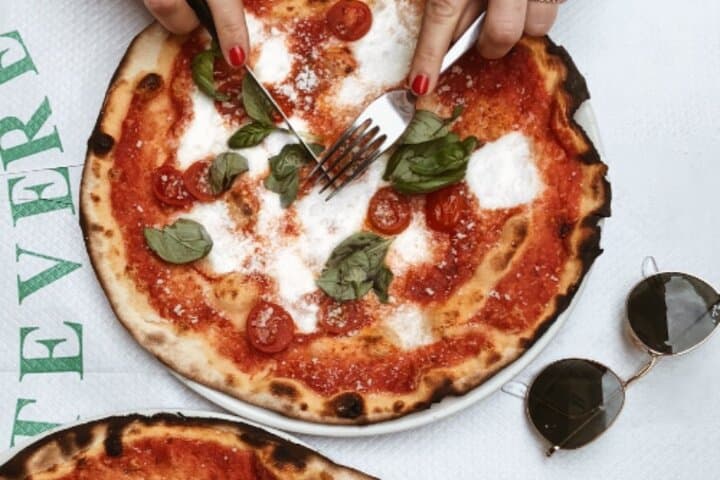
You step into a bright, humming kitchen where the oven radiates comfort and the scent of warm flour pulls you toward the worktable. A coach-like chef greets the group, hands you a ball of dough, and the class becomes a short apprenticeship: pressing, shaping, topping, and sliding your pie into heat that rewards attention.
You step into a bright, humming kitchen where the oven radiates comfort and the scent of warm flour pulls you toward the worktable. A coach-like chef greets the group, hands you a ball of dough, and the class becomes a short apprenticeship: pressing, shaping, topping, and sliding your pie into heat that rewards attention.
Washington, D.C.’s pizza story is pragmatic and local — influenced by Italian immigrants, shaped by East Coast crust preferences, and energized by seasonal produce from nearby markets like Eastern Market and Union Market. The class pairs this culinary context with technique: dough fermentation basics, gluten feel, hydration ratios, and quick-fire oven management that separates a floppy pie from a crisp-edged slice.
Expect two hours of hands-on instruction aimed at beginners and ambitious home cooks. You’ll mix and knead, learn stretch-and-shape methods, and experiment with sauce and cheeses provided on-site. The practical takeaways are clear: how long to proof, why oven temperature matters, and how to read crust color and texture.
Plan to arrive hungry and ready to get flour on your hands — the class is social and tactile. Book earlier in the week for weekend slots; late afternoons are less crowded. If you have food allergies, notify the operator in advance. This is a learn-by-doing experience that leaves you with techniques to recreate put-in-the-oven successes at home, plus a warm slice to celebrate what you made.