THE ADVENTURE COLLECTIVE® · Independent discovery and booking for outdoor travel

Learn to make fresh fettuccine from scratch in a relaxed two-hour class led by a local chef in Atlanta. Knead, roll, and cook your own pasta, then sit down to enjoy the meal with your classmates.
Learn to make fresh fettuccine from scratch in a relaxed two-hour class led by a local chef in Atlanta. Knead, roll, and cook your own pasta, then sit down to enjoy the meal with your classmates.
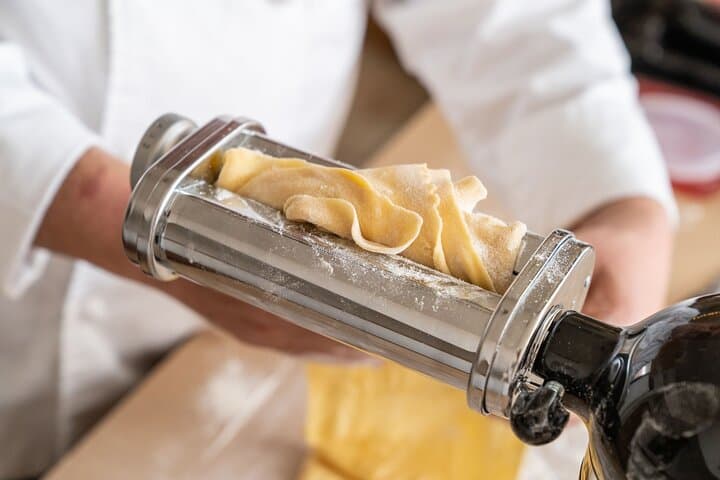
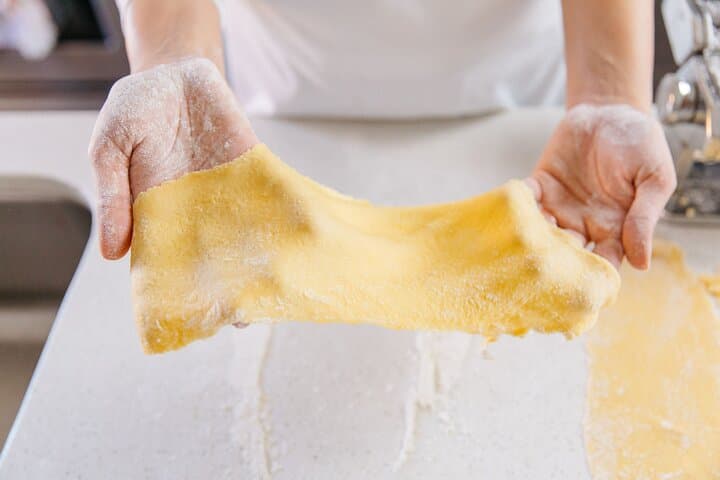
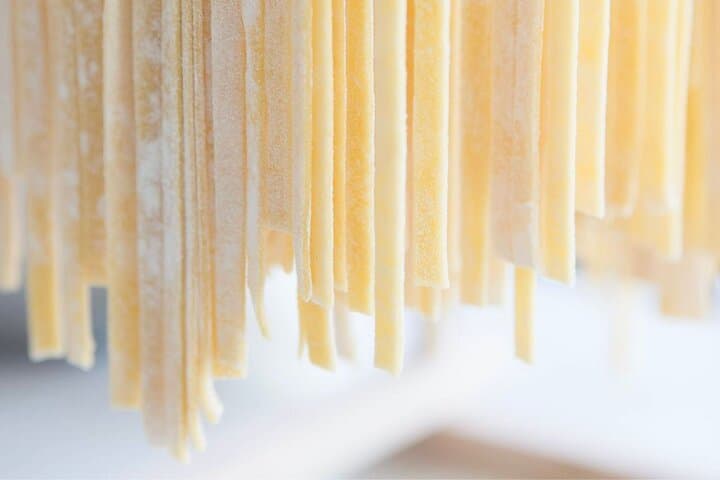
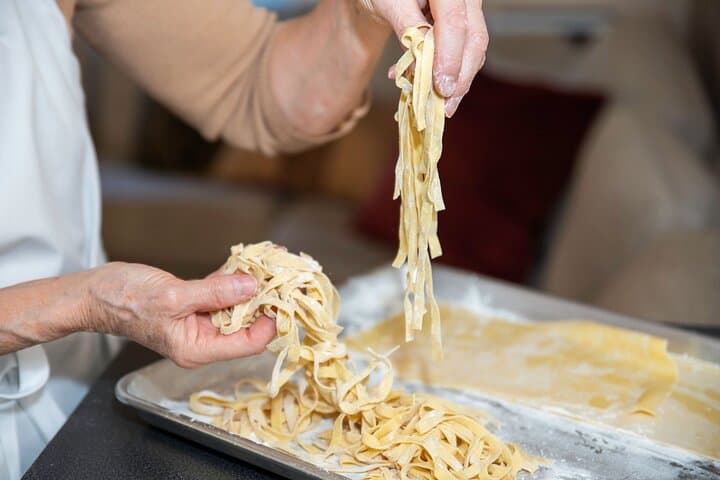
You step into a compact, well-lit kitchen above a craft beer bar; the air smells of flour and warm olive oil. A local chef greets the group with a calm, practiced authority and lays out stainless bowls, eggs, and a mound of semolina. For the next two hours you’ll be kneading, rolling, and cutting — hands learning a rhythm as the city hums outside.
Verified experiences and guided adventures in the surrounding area.
Operated by Classpop! · Atlanta, Georgia
You step into a compact, well-lit kitchen above a craft beer bar; the air smells of flour and warm olive oil. A local chef greets the group with a calm, practiced authority and lays out stainless bowls, eggs, and a mound of semolina. For the next two hours you’ll be kneading, rolling, and cutting — hands learning a rhythm as the city hums outside.
Atlanta’s food scene has grown from Southern taverns to a diverse culinary ecosystem where immigrant traditions and local farms intersect. Pasta-making here borrows Italian basics but leans on Georgia’s seasonal produce — think bright summer tomatoes or winter greens folded into a rustic sauce. The class takes place in a social setting common to urban cooking schools: communal stations, shared tasting, and a finished plate you’ll actually sit down to enjoy.
Expect concrete-floor practicality: standing workstations, quick demos, and hands-on repetition rather than formal culinary jargon. The chef covers dough ratios, kneading feel, rolling thickness, and two sauce options that are easy to replicate at home. You’ll leave with tactile confidence—knowing how to rescue overworked dough, refrigerate fresh pasta, and pair simple sauces with herbs and toasted nuts.
Practical tips: arrive 10 minutes early, tell hosts about allergies, wear closed-toe shoes, and plan for a relaxed meal with fellow cooks. This is a beginner-friendly, social experience that rewards curiosity and a willingness to get messy.
easy.
2 hours.
Light — participants should be able to stand for about 90–120 minutes and move around a kitchen workspace
Yes — the class is designed for beginners with step-by-step instruction covering dough, rolling, cutting, and simple sauces.
Yes — hosts request advance notice and will adjust ingredients where possible; disclose restrictions during booking or at check-in.
Yes — the class includes a sit-down portion where you share the meal you prepared with the group.
Full refund is available if you cancel at least 24 hours before the scheduled time; same-day cancellations are non-refundable.
Atlanta’s modern dining scene mixes Southern hospitality with immigrant kitchens; small cooking schools often highlight both classic techniques and local ingredient sourcing.
Many local chefs emphasize reducing food waste and sourcing from nearby farms—ask about seasonal ingredients and leftover composting practices at the venue.
Classpop! operates guided outdoor trips and adventures with an emphasis on safety, stewardship, and memorable experiences.
You step into a compact, well-lit kitchen above a craft beer bar; the air smells of flour and warm olive oil. A local chef greets the group with a calm, practiced authority and lays out stainless bowls, eggs, and a mound of semolina. For the next two hours you’ll be kneading, rolling, and cutting — hands learning a rhythm as the city hums outside.
You step into a compact, well-lit kitchen above a craft beer bar; the air smells of flour and warm olive oil. A local chef greets the group with a calm, practiced authority and lays out stainless bowls, eggs, and a mound of semolina. For the next two hours you’ll be kneading, rolling, and cutting — hands learning a rhythm as the city hums outside.
Atlanta’s food scene has grown from Southern taverns to a diverse culinary ecosystem where immigrant traditions and local farms intersect. Pasta-making here borrows Italian basics but leans on Georgia’s seasonal produce — think bright summer tomatoes or winter greens folded into a rustic sauce. The class takes place in a social setting common to urban cooking schools: communal stations, shared tasting, and a finished plate you’ll actually sit down to enjoy.
Expect concrete-floor practicality: standing workstations, quick demos, and hands-on repetition rather than formal culinary jargon. The chef covers dough ratios, kneading feel, rolling thickness, and two sauce options that are easy to replicate at home. You’ll leave with tactile confidence—knowing how to rescue overworked dough, refrigerate fresh pasta, and pair simple sauces with herbs and toasted nuts.
Practical tips: arrive 10 minutes early, tell hosts about allergies, wear closed-toe shoes, and plan for a relaxed meal with fellow cooks. This is a beginner-friendly, social experience that rewards curiosity and a willingness to get messy.