THE ADVENTURE COLLECTIVE® · Independent discovery and booking for outdoor travel

Mix, knead, roll and cut fresh pasta in a two-hour hands-on class hosted inside a Chicago distillery. Learn classic dough technique, craft a marinara (with vegetarian and beef options), and sample spirits in a lively, accessible setting.
Mix, knead, roll and cut fresh pasta in a two-hour hands-on class hosted inside a Chicago distillery. Learn classic dough technique, craft a marinara (with vegetarian and beef options), and sample spirits in a lively, accessible setting.
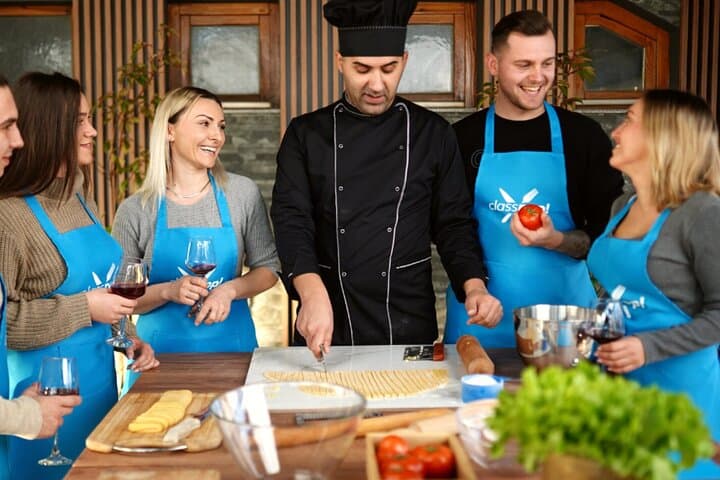
The room smells of flour, warm eggs and citrus-cut glass; long wooden tables are dusted with semolina and the distillery’s copper stills hum in the background. You stand at a workbench, hands in dough, while the Chicago River — narrowed, industrious — seems to dare you to slow down and savor the city’s small pleasures.
Verified experiences and guided adventures in the surrounding area.
Operated by Classpop! · Chicago, Illinois
The room smells of flour, warm eggs and citrus-cut glass; long wooden tables are dusted with semolina and the distillery’s copper stills hum in the background. You stand at a workbench, hands in dough, while the Chicago River — narrowed, industrious — seems to dare you to slow down and savor the city’s small pleasures.
Chicago’s food scene bears the mark of immigrant kitchens and industrial supply lines: Italian households taught generations how to coax simple ingredients into comfort, and in recent decades a craft-distilling renaissance has repurposed former warehouses into social labs for food and drink. Geology matters too — the lake-effect climate feeds a growing-season that influences local produce, while freight routes once used for grain now feed urban restaurants.
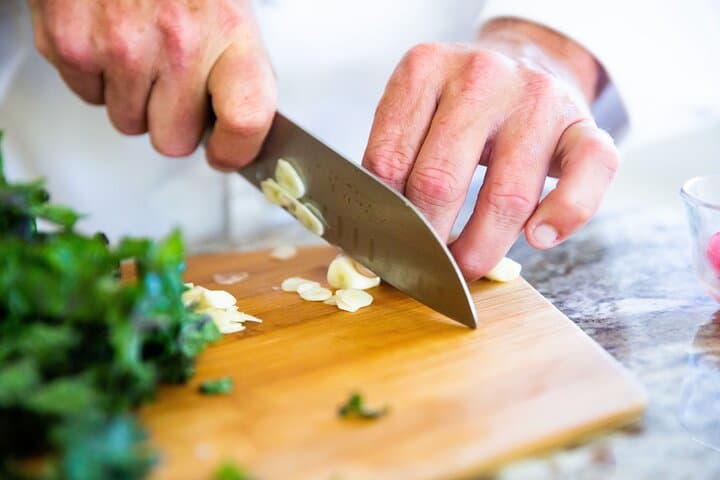
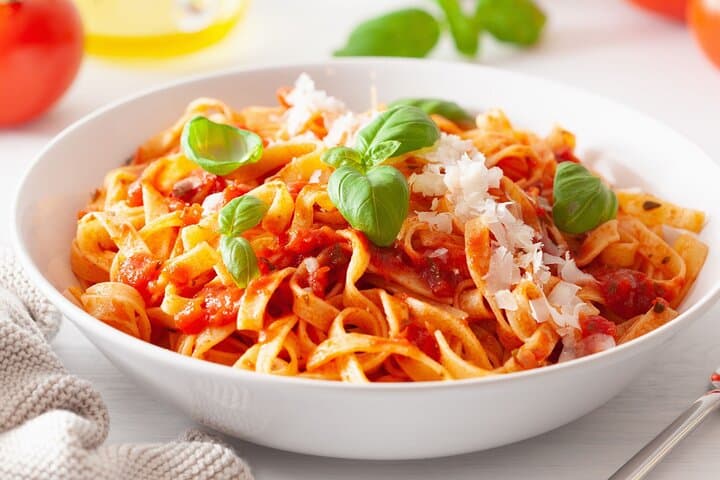
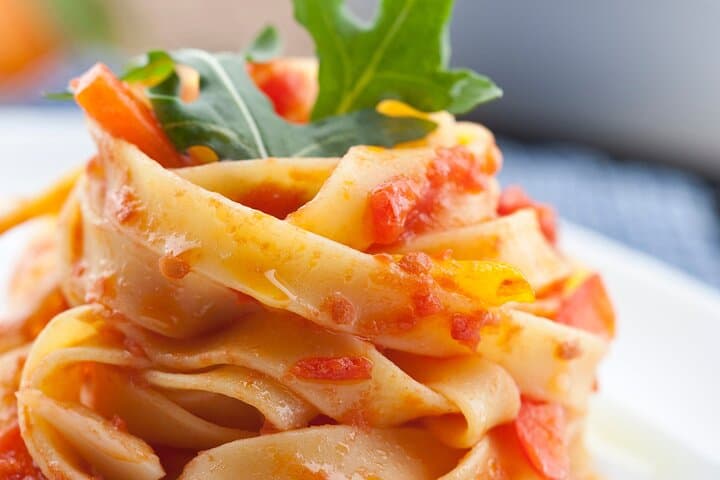
This two-hour class pairs technique and taste. Expect a focused primer on dough ratios, kneading rhythm, rolling uniformity and knife work for fettuccine or tagliatelle, followed by hands-on sauce and plating. The chef will offer shortcuts for home practice and options for vegetarian or beef-enriched sauce. The distillery setting adds texture: you can sample spirits on-site or learn how distillers reuse byproducts.
Practical advice: arrive 10 minutes early, wear closed-toe shoes, and be ready to stand and move. Bring a small notebook for measurements and a reusable bottle; most tools and ingredients are provided. For first-timers, the goal is consistent technique rather than perfection — leave with a repeatable method and the confidence to recreate fresh pasta at home.
easy.
2 hours.
Light; requires standing, light lifting (bowls, pans) and manual dexterity for kneading and cutting.
Yes—flour, eggs, oils, pans and knives are supplied; you just show up ready to learn.
Most distilleries offer spirits or tastings for purchase on-site; check the venue’s policy and legal age requirements.
Absolutely—classes focus on foundational techniques and welcome first-timers; the pace is hands-on and instructor-led.
Notify the host during booking or arrival; instructors can usually modify the sauce or protein to accommodate allergies and vegetarian needs.
Pasta-making in Chicago grew from immigrant kitchens in the early 20th century; today the city mixes those traditions with a craft-distilling resurgence that repurposed former industrial spaces for food and drink.
Many small distilleries and kitchens emphasize local sourcing and minimize waste—ask about leftover grain reuse and composting practices during your visit.
Classpop! operates guided outdoor trips and adventures with an emphasis on safety, stewardship, and memorable experiences.
The room smells of flour, warm eggs and citrus-cut glass; long wooden tables are dusted with semolina and the distillery’s copper stills hum in the background. You stand at a workbench, hands in dough, while the Chicago River — narrowed, industrious — seems to dare you to slow down and savor the city’s small pleasures.
The room smells of flour, warm eggs and citrus-cut glass; long wooden tables are dusted with semolina and the distillery’s copper stills hum in the background. You stand at a workbench, hands in dough, while the Chicago River — narrowed, industrious — seems to dare you to slow down and savor the city’s small pleasures.
Chicago’s food scene bears the mark of immigrant kitchens and industrial supply lines: Italian households taught generations how to coax simple ingredients into comfort, and in recent decades a craft-distilling renaissance has repurposed former warehouses into social labs for food and drink. Geology matters too — the lake-effect climate feeds a growing-season that influences local produce, while freight routes once used for grain now feed urban restaurants.
This two-hour class pairs technique and taste. Expect a focused primer on dough ratios, kneading rhythm, rolling uniformity and knife work for fettuccine or tagliatelle, followed by hands-on sauce and plating. The chef will offer shortcuts for home practice and options for vegetarian or beef-enriched sauce. The distillery setting adds texture: you can sample spirits on-site or learn how distillers reuse byproducts.
Practical advice: arrive 10 minutes early, wear closed-toe shoes, and be ready to stand and move. Bring a small notebook for measurements and a reusable bottle; most tools and ingredients are provided. For first-timers, the goal is consistent technique rather than perfection — leave with a repeatable method and the confidence to recreate fresh pasta at home.