THE ADVENTURE COLLECTIVE® · Independent discovery and booking for outdoor travel

Learn to make fresh pasta from scratch at a working Phoenix brewery. This two-hour, hands-on class blends kneading and rolling techniques with a shrimp primavera sauce and optional craft-beer pairings.
Learn to make fresh pasta from scratch at a working Phoenix brewery. This two-hour, hands-on class blends kneading and rolling techniques with a shrimp primavera sauce and optional craft-beer pairings.
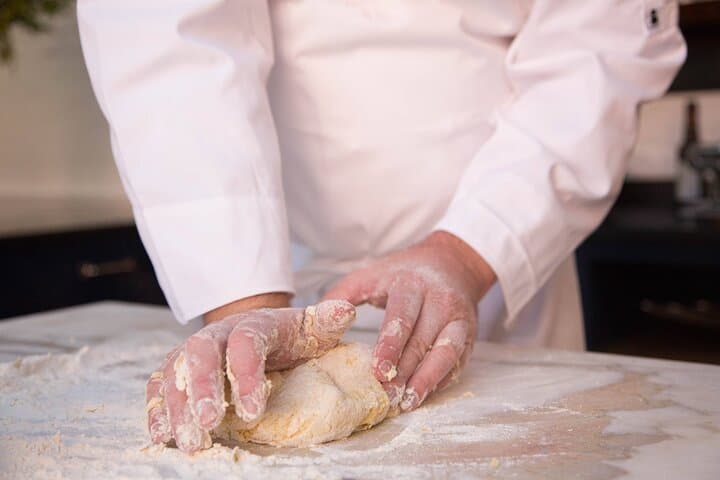
The brewery hums: stainless-steel fermenters pulse quietly behind glass while the scent of warm flour and olive oil rises from a long prep table. You rub dough between your palms, the rhythm steady, as a chef coaches the right pressure for kneading and the subtle drag of the roller. Outside, Phoenix heat bakes the Sonoran horizon; inside, steam and hops shape the evening.
Verified experiences and guided adventures in the surrounding area.
Operated by Classpop! · Phoenix, Arizona
The brewery hums: stainless-steel fermenters pulse quietly behind glass while the scent of warm flour and olive oil rises from a long prep table. You rub dough between your palms, the rhythm steady, as a chef coaches the right pressure for kneading and the subtle drag of the roller. Outside, Phoenix heat bakes the Sonoran horizon; inside, steam and hops shape the evening.
This class pairs the old-world craft of fresh pasta with the new-world craft beer scene that has grown across Phoenix since the 2000s. Italian techniques—simple dough of flour, eggs, and olive oil—meet a desert city’s appetite for bold flavor and local ingredients. The space itself often occupies repurposed warehouse or light-industrial buildings common to metro Phoenix, where brewing and food entrepreneurs share urban blocks.
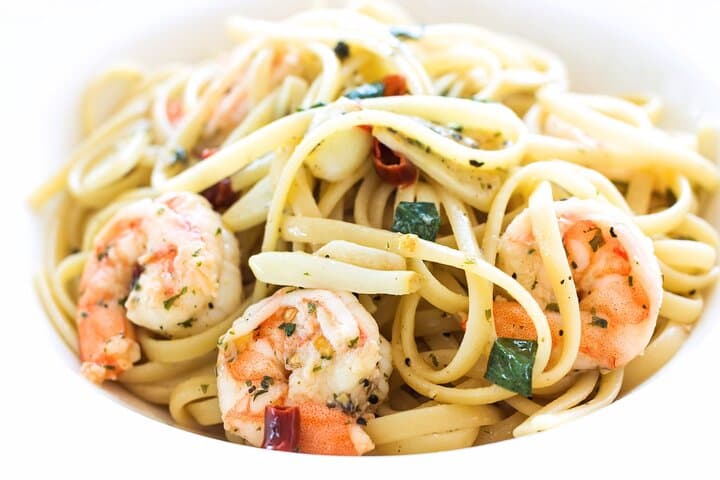
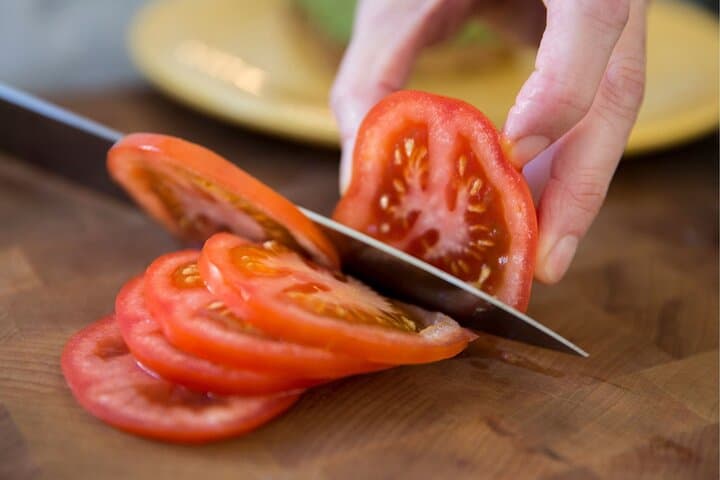
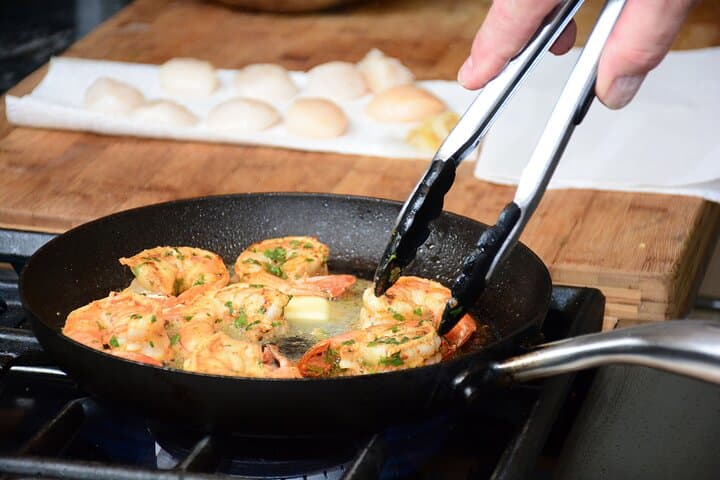
The session covers kneading, resting, rolling, and cutting sheets into strands, then moves to a shrimp primavera sauce: sautéed shrimp, mushrooms, red onion, bell pepper, tomato and a pinch of crushed red pepper. Expect hands-on learning, chef demonstration, and time to plate what you cooked. Local breweries typically sell their taps onsite, so beer pairings are optional and available for purchase.
Practical tips: arrive 10 minutes early, disclose dietary needs in advance, and wear closed-toe shoes. The class lasts about two hours and is accessible to beginners; it’s a social, standing activity that rewards curiosity rather than prior skill. Bring a reusable water bottle and a small cooler if you plan to take food home—though leftovers are rare once fresh pasta hits the table.
easy.
2 hours.
Light physical activity—standing for 2 hours and doing hand-intensive tasks like kneading and rolling.
No; the class is designed for beginners and walks you through each step, from kneading to sauce finishing.
Yes—hosts ask about dietary needs during booking and will do their best to modify ingredients if notified in advance.
No; craft beer is typically available for purchase on-site and requires valid ID for legal tasting.
Most hosted brewery spaces report wheelchair accessibility; contact the operator ahead of time to confirm specific accommodations.
Italian-American pasta traditions are simple and regional; this class focuses on classic egg-based dough techniques taught in home kitchens for generations. Phoenix’s craft-brew boom since the early 2000s created the kind of communal brewery spaces where culinary pop-ups and classes thrive.
Many local breweries prioritize ingredient sourcing and recycling spent grain; consider asking your host how they handle food waste and whether they work with local farmers or composting programs.
Classpop! operates guided outdoor trips and adventures with an emphasis on safety, stewardship, and memorable experiences.
The brewery hums: stainless-steel fermenters pulse quietly behind glass while the scent of warm flour and olive oil rises from a long prep table. You rub dough between your palms, the rhythm steady, as a chef coaches the right pressure for kneading and the subtle drag of the roller. Outside, Phoenix heat bakes the Sonoran horizon; inside, steam and hops shape the evening.
The brewery hums: stainless-steel fermenters pulse quietly behind glass while the scent of warm flour and olive oil rises from a long prep table. You rub dough between your palms, the rhythm steady, as a chef coaches the right pressure for kneading and the subtle drag of the roller. Outside, Phoenix heat bakes the Sonoran horizon; inside, steam and hops shape the evening.
This class pairs the old-world craft of fresh pasta with the new-world craft beer scene that has grown across Phoenix since the 2000s. Italian techniques—simple dough of flour, eggs, and olive oil—meet a desert city’s appetite for bold flavor and local ingredients. The space itself often occupies repurposed warehouse or light-industrial buildings common to metro Phoenix, where brewing and food entrepreneurs share urban blocks.
The session covers kneading, resting, rolling, and cutting sheets into strands, then moves to a shrimp primavera sauce: sautéed shrimp, mushrooms, red onion, bell pepper, tomato and a pinch of crushed red pepper. Expect hands-on learning, chef demonstration, and time to plate what you cooked. Local breweries typically sell their taps onsite, so beer pairings are optional and available for purchase.
Practical tips: arrive 10 minutes early, disclose dietary needs in advance, and wear closed-toe shoes. The class lasts about two hours and is accessible to beginners; it’s a social, standing activity that rewards curiosity rather than prior skill. Bring a reusable water bottle and a small cooler if you plan to take food home—though leftovers are rare once fresh pasta hits the table.