THE ADVENTURE COLLECTIVE® · Independent discovery and booking for outdoor travel

Spend a day in the rice fields at MARDI Tanjong Karang: plant seedlings, try traditional fishing, and watch mechanized paddy demonstrations. This full‑day agricultural experience pairs hands‑on work with education about Malaysia’s rice science.
Spend a day in the rice fields at MARDI Tanjong Karang: plant seedlings, try traditional fishing, and watch mechanized paddy demonstrations. This full‑day agricultural experience pairs hands‑on work with education about Malaysia’s rice science.
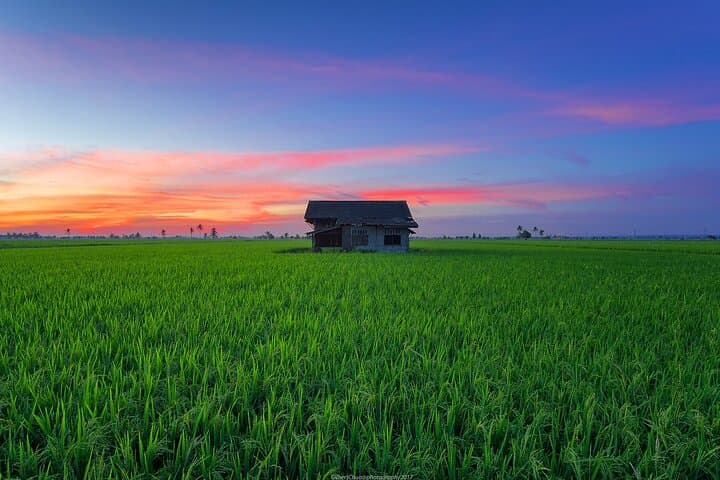
You step from the air‑conditioned van into a wide green expanse where the paddy plots lie in shallow mirrors of water, and the river nearby dares you to follow its braided course. Air smells faintly of wet earth and freshly cut grass; a driver hands you a wide‑brim hat and points to a row of plots where staff are ready to show planting, harvesting tools and a mechanization demo.
Verified experiences and guided adventures in the surrounding area.
Operated by Asni Experiences · Tanjong Karang, Selangor
You step from the air‑conditioned van into a wide green expanse where the paddy plots lie in shallow mirrors of water, and the river nearby dares you to follow its braided course. Air smells faintly of wet earth and freshly cut grass; a driver hands you a wide‑brim hat and points to a row of plots where staff are ready to show planting, harvesting tools and a mechanization demo.
The MARDI Tanjong Karang Agrotechnology Park opened to the public in 2020 as a living display of Malaysia’s rice research: varietal trials, mechanized planters, and water‑management tests. Geologically, the flat coastal plain here is alluvium—rich mud deposited by the nearby Sungai Tengi—ideal for rice and for the shallow fish ponds that dot the site. Culturally, paddy work remains a communal rhythm in Selangor, with seasons and ceremonies tied to planting and harvest.
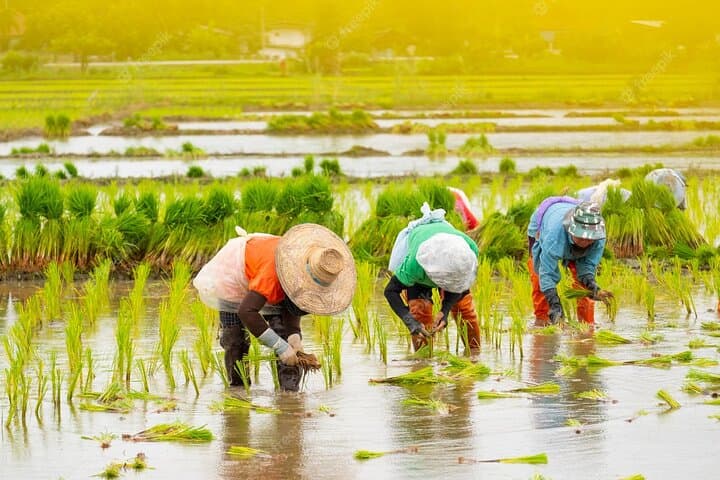
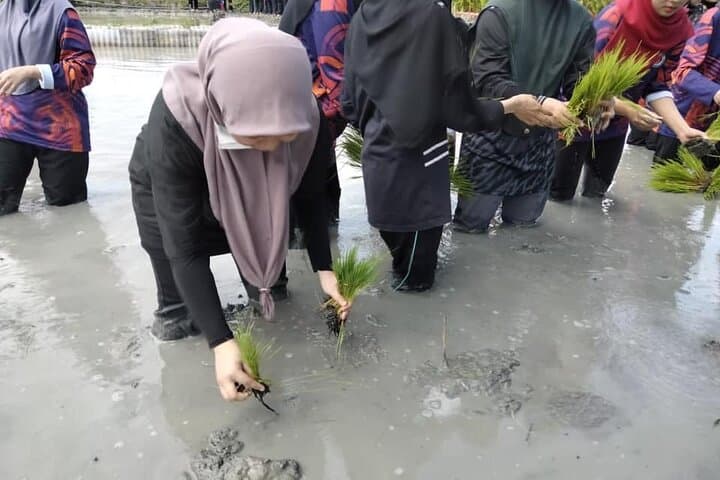
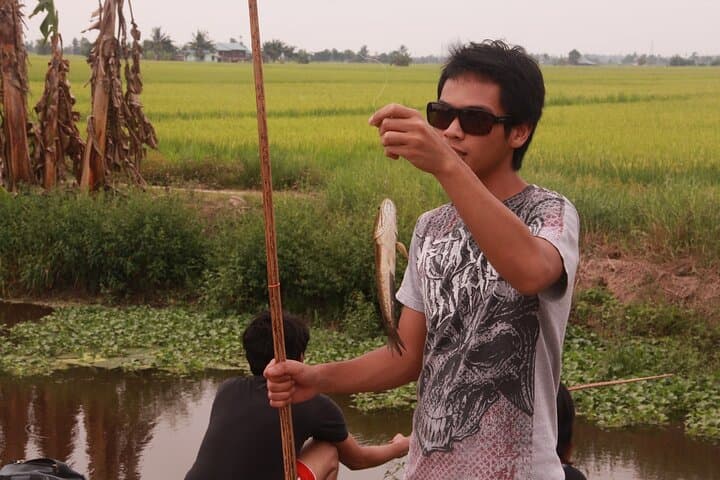
The day mixes demonstration and participation: learn about modern paddy varieties, try hand‑transplanting seedlings, and join locals in simple net fishing. Guides explain irrigation control, fertilizer trials and why standing in the mud matters for science as much as for tradition.
Practical notes: wear shoes you can wash, bring spare clothes and insect repellent, and expect an active, muddy full day. Morning light is cooler and best for planting; afternoons can be hot or wet depending on the monsoon. The park is family‑friendly but requires moderate fitness and basic mobility; organizers provide lunch and transport options from selected hotels. This is a tactile, educational day that places you in the physical and technical story of Malaysian rice production.
moderate.
8 hours.
Moderate fitness: expect prolonged standing, some bending and walking on uneven, muddy ground
Yes—children can join but must be supervised; expect muddy hands and shallow water, and infants should remain on laps as required by the operator.
Hotel pick‑up and drop‑off is offered from selected hotels; confirm pickup point at booking and be ready in the lobby 15 minutes before departure.
No—guides provide step‑by‑step instruction for planting, net fishing and demonstrations; basic mobility is the only practical requirement.
Yes—note any dietary restrictions at the time of booking so the operator can adjust the local set lunch when possible.
The agrotechnology park is a MARDI research and outreach site opened to the public in February 2020 to showcase paddy varieties, mechanization and water management.
The park highlights sustainable rice practices—water management and reduced chemical inputs—and visitors are asked to stay on designated paths to protect trial plots and wetlands.
Asni Experiences operates guided outdoor trips and adventures with an emphasis on safety, stewardship, and memorable experiences.
You step from the air‑conditioned van into a wide green expanse where the paddy plots lie in shallow mirrors of water, and the river nearby dares you to follow its braided course. Air smells faintly of wet earth and freshly cut grass; a driver hands you a wide‑brim hat and points to a row of plots where staff are ready to show planting, harvesting tools and a mechanization demo.
You step from the air‑conditioned van into a wide green expanse where the paddy plots lie in shallow mirrors of water, and the river nearby dares you to follow its braided course. Air smells faintly of wet earth and freshly cut grass; a driver hands you a wide‑brim hat and points to a row of plots where staff are ready to show planting, harvesting tools and a mechanization demo.
The MARDI Tanjong Karang Agrotechnology Park opened to the public in 2020 as a living display of Malaysia’s rice research: varietal trials, mechanized planters, and water‑management tests. Geologically, the flat coastal plain here is alluvium—rich mud deposited by the nearby Sungai Tengi—ideal for rice and for the shallow fish ponds that dot the site. Culturally, paddy work remains a communal rhythm in Selangor, with seasons and ceremonies tied to planting and harvest.
The day mixes demonstration and participation: learn about modern paddy varieties, try hand‑transplanting seedlings, and join locals in simple net fishing. Guides explain irrigation control, fertilizer trials and why standing in the mud matters for science as much as for tradition.
Practical notes: wear shoes you can wash, bring spare clothes and insect repellent, and expect an active, muddy full day. Morning light is cooler and best for planting; afternoons can be hot or wet depending on the monsoon. The park is family‑friendly but requires moderate fitness and basic mobility; organizers provide lunch and transport options from selected hotels. This is a tactile, educational day that places you in the physical and technical story of Malaysian rice production.