THE ADVENTURE COLLECTIVE® · Independent discovery and booking for outdoor travel

Learn to cook Pacific Northwest dishes in a chef’s Lake Union condo. This hands-on, private class teaches seafood and seasonal vegetable techniques with sustainably sourced ingredients.
Learn to cook Pacific Northwest dishes in a chef’s Lake Union condo. This hands-on, private class teaches seafood and seasonal vegetable techniques with sustainably sourced ingredients.
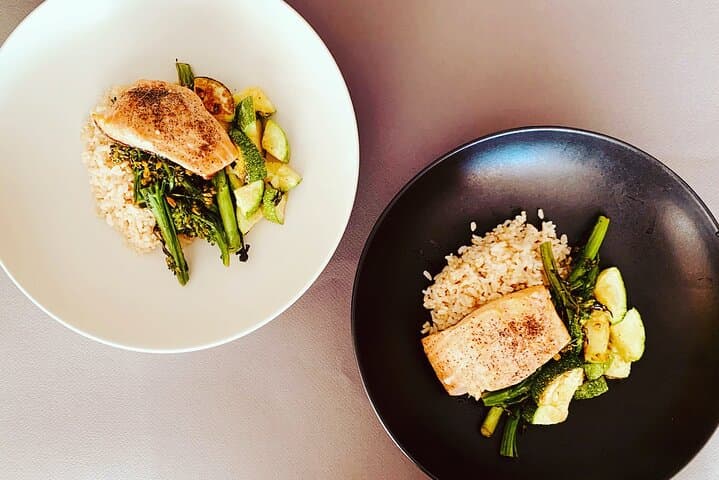
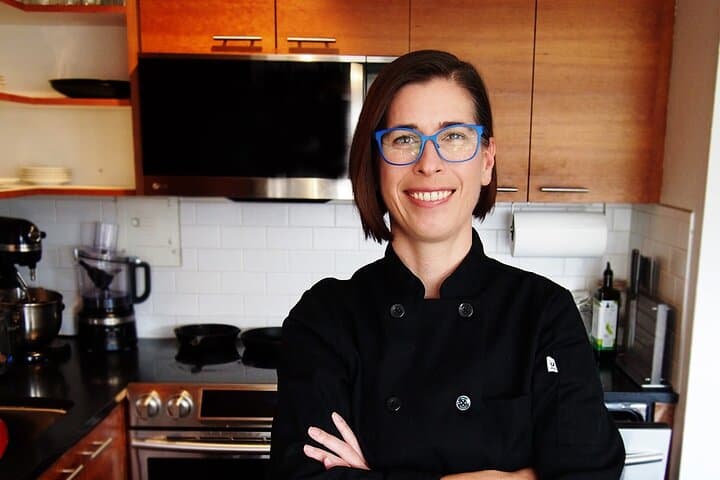
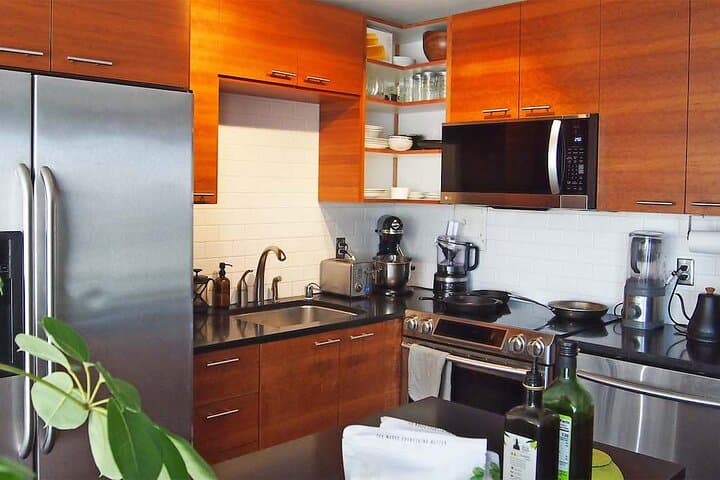
You step into a light-filled condo overlooking Lake Union; the city hums below while the chef uncorks a bottle and lays out local fish, seasonal vegetables and mason jars of herbs. The kitchen is compact but efficient — knives in a magnetic strip, a clean cutting board, and a small cadre of fresh ingredients that promise a tight, hands-on lesson.
Verified experiences and guided adventures in the surrounding area.
Operated by Traveling Spoon · Seattle, Washington
You step into a light-filled condo overlooking Lake Union; the city hums below while the chef uncorks a bottle and lays out local fish, seasonal vegetables and mason jars of herbs. The kitchen is compact but efficient — knives in a magnetic strip, a clean cutting board, and a small cadre of fresh ingredients that promise a tight, hands-on lesson.
Seattle’s culinary identity is coastal and forested: Indigenous fishing traditions, Scandinavian and Asian immigrant influences, and the late-20th-century farm-to-table movement all shape what appears on the plate. Geology and climate — the Cascade rain shadow and rich Puget Sound currents — produce cool-water salmon and root vegetables that handle braising and smoke well. Culturally, the city prizes sustainable sourcing; this class sources seafood from a local community-supported fishery, reflecting a regional commitment to traceability.
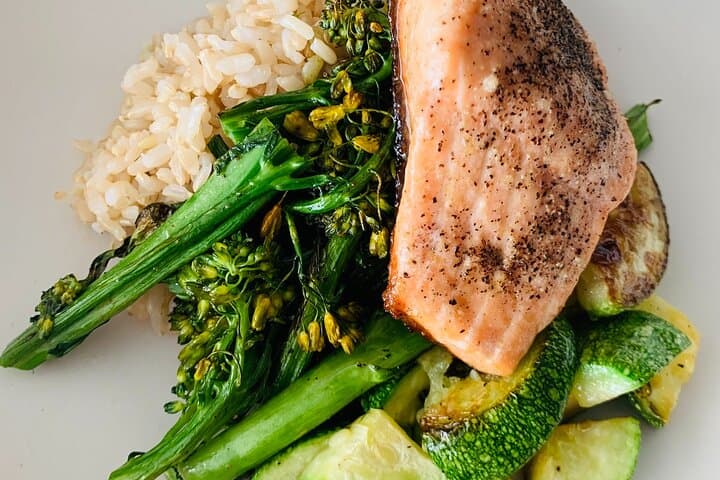
Expect a practical, technique-forward session: filleting or portioning fish, making a sauce to lift flavors, and a composed vegetable side or puree. You’ll cook three seasonal dishes, then sit to share the meal with your host over wine or beer. The pace is conversational but intentional — plan for about three hours from arrival to dessert.
Bring questions about sourcing and seasonality; note any dietary restrictions ahead of time. Transit is easy — buses and light rail get you near Lake Union, but allow time for Seattle traffic. This is a relaxed, culinary-focused urban experience that teaches skills you can use in your own kitchen while giving a clear taste of Pacific Northwest food culture.
easy.
3 hours.
Light — able to stand and move gently for 1–2 hours; no special fitness required
Yes — the chef offers vegetarian and vegan menus and will adjust for most common allergies if notified at booking.
You’ll meet the host at her Lake Union condo; the confirmation includes the exact address and arrival instructions.
Menus are seasonal and often include local seafood sourced from a community-supported fishery, but seafood can be substituted if requested ahead of time.
Infants and small children in strollers are permitted, but this is a hands-on class best suited to teens and adults due to knife work and hot surfaces.
Seattle’s food culture grew from Indigenous fisheries and trade, later amplified by immigrant cuisines and a 20th-century local-food movement that emphasizes regional ingredients.
The chef sources seafood through a community-supported fishery and prioritizes seasonal produce; reducing food waste and choosing sustainable seafood are central to the meal planning.
Traveling Spoon operates guided outdoor trips and adventures with an emphasis on safety, stewardship, and memorable experiences.
You step into a light-filled condo overlooking Lake Union; the city hums below while the chef uncorks a bottle and lays out local fish, seasonal vegetables and mason jars of herbs. The kitchen is compact but efficient — knives in a magnetic strip, a clean cutting board, and a small cadre of fresh ingredients that promise a tight, hands-on lesson.
You step into a light-filled condo overlooking Lake Union; the city hums below while the chef uncorks a bottle and lays out local fish, seasonal vegetables and mason jars of herbs. The kitchen is compact but efficient — knives in a magnetic strip, a clean cutting board, and a small cadre of fresh ingredients that promise a tight, hands-on lesson.
Seattle’s culinary identity is coastal and forested: Indigenous fishing traditions, Scandinavian and Asian immigrant influences, and the late-20th-century farm-to-table movement all shape what appears on the plate. Geology and climate — the Cascade rain shadow and rich Puget Sound currents — produce cool-water salmon and root vegetables that handle braising and smoke well. Culturally, the city prizes sustainable sourcing; this class sources seafood from a local community-supported fishery, reflecting a regional commitment to traceability.
Expect a practical, technique-forward session: filleting or portioning fish, making a sauce to lift flavors, and a composed vegetable side or puree. You’ll cook three seasonal dishes, then sit to share the meal with your host over wine or beer. The pace is conversational but intentional — plan for about three hours from arrival to dessert.
Bring questions about sourcing and seasonality; note any dietary restrictions ahead of time. Transit is easy — buses and light rail get you near Lake Union, but allow time for Seattle traffic. This is a relaxed, culinary-focused urban experience that teaches skills you can use in your own kitchen while giving a clear taste of Pacific Northwest food culture.