THE ADVENTURE COLLECTIVE® · Independent discovery and booking for outdoor travel

Spend 90 minutes on an organic cacao farm with uninterrupted views of Arenal. Pick pods, learn fermentation and roasting, and taste chocolate made from farm‑grown beans in a small group setting.
Spend 90 minutes on an organic cacao farm with uninterrupted views of Arenal. Pick pods, learn fermentation and roasting, and taste chocolate made from farm‑grown beans in a small group setting.
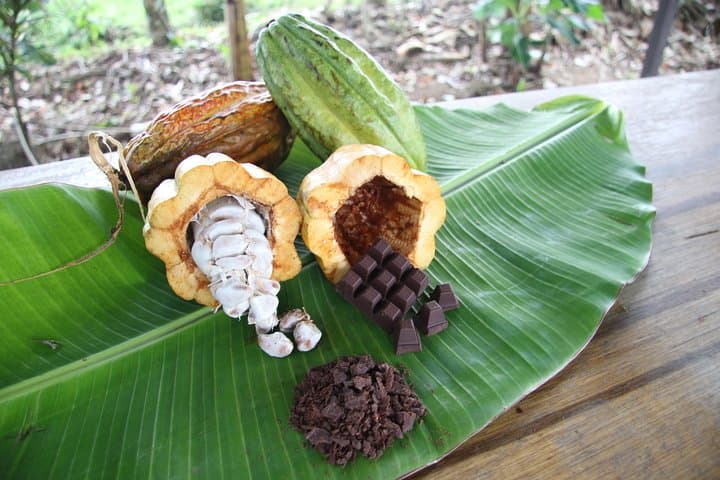
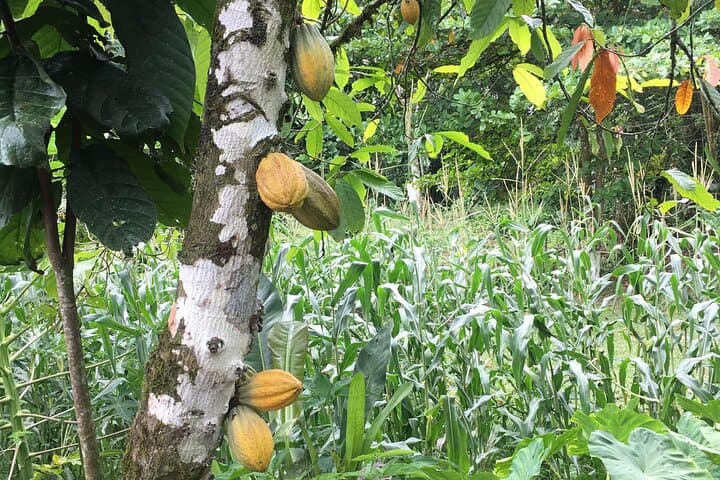
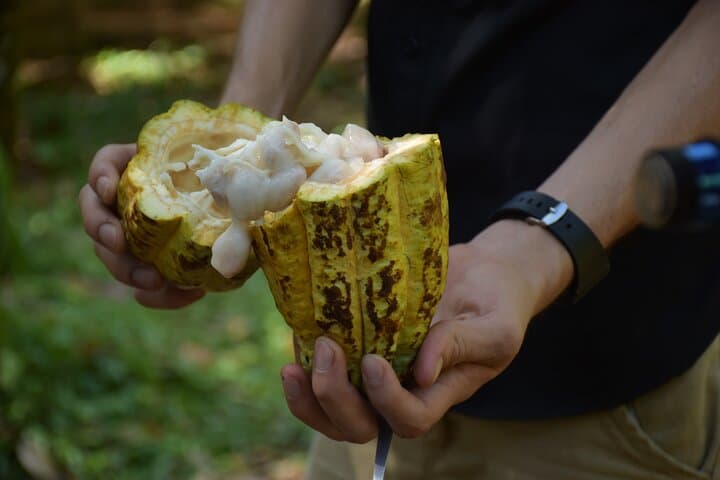
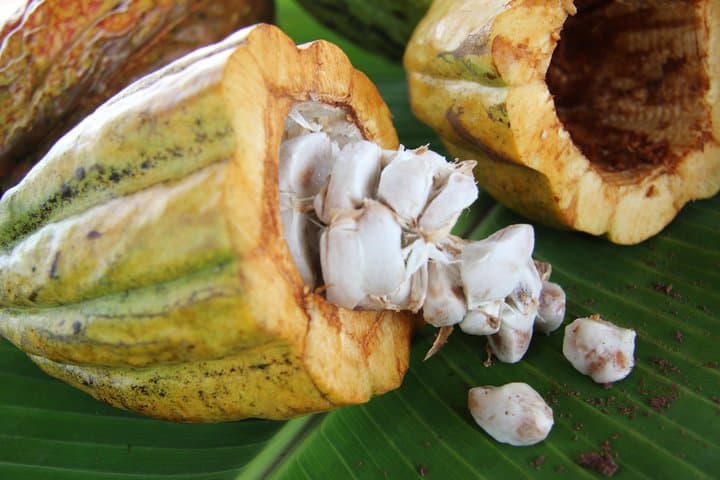
You step onto a ridge of red clay and green leaves, the Arenal volcano keeping a slow, watchful silhouette in the distance. Sunlight sifts through cacao canopy; pods hang like bright, irregular ornaments. A local guide—born on the property—calls out a ripe pod and invites you to split it open. The sweet, tangy pulp smells like warm fruit; it dissolves the distance between field and finished bar.
Verified experiences and guided adventures in the surrounding area.
Operated by Costa Rica Descents · La Fortuna, Alajuela
You step onto a ridge of red clay and green leaves, the Arenal volcano keeping a slow, watchful silhouette in the distance. Sunlight sifts through cacao canopy; pods hang like bright, irregular ornaments. A local guide—born on the property—calls out a ripe pod and invites you to split it open. The sweet, tangy pulp smells like warm fruit; it dissolves the distance between field and finished bar.
Cacao here grows on volcanic soils shaped by Arenal’s eruptions; the region’s microclimate supports rich biodiversity and long-standing smallholder traditions. Guides explain how pre‑Columbian cacao moved from native food and ritual into colonial trade, and how organic techniques restore soil and protect water in this watershed.
The tour moves deliberately: identify trees and pests, harvest pods, scoop pulp, and watch a fermentation demonstration before a quick roast and tasting. Conversations touch on cultivar differences and sustainable harvest cycles; questions are encouraged.
Practicalities: the visit runs about 90 minutes and is limited to small groups (max 10), making it hands‑on rather than a mass tour. Trails around the farm are dirt and can be muddy after rains—closed‑toe shoes and insect repellent make the experience easier. Bring a refillable water bottle and a light rain layer if you’re traveling in the wet season. Public transport reaches La Fortuna, but allow time for a short taxi or shuttle to the farm. Expect tasting portions throughout; the goal is that you leave understanding the full cacao-to-chocolate process, not just sampling a final product.
easy.
1.5 hours.
Light physical activity; participants should be able to stand and walk short uneven distances.
Yes—sampling occurs at several stages, from fresh cacao pulp to roasted beans and finished chocolate; portions are small but informative.
Yes—small children can join; infants should sit on an adult’s lap and the farm notes stroller accessibility for short distances.
Many visitors take a short taxi or shuttle from central La Fortuna; some farms are reachable by local transport but private transfer is faster and more reliable.
Full refunds are typically available if you cancel at least 24 hours before the scheduled departure; check your booking confirmation for specifics.
Cacao has been cultivated in Central America for millennia; in regions near Arenal, smallholder farms revived organic methods to combine traditional knowledge with eco‑tourism.
Many local farms emphasize organic practices, shade‑grown cacao, and water‑saving fermentation to protect soil and support surrounding rainforest corridors.
Costa Rica Descents operates guided outdoor trips and adventures with an emphasis on safety, stewardship, and memorable experiences.
You step onto a ridge of red clay and green leaves, the Arenal volcano keeping a slow, watchful silhouette in the distance. Sunlight sifts through cacao canopy; pods hang like bright, irregular ornaments. A local guide—born on the property—calls out a ripe pod and invites you to split it open. The sweet, tangy pulp smells like warm fruit; it dissolves the distance between field and finished bar.
You step onto a ridge of red clay and green leaves, the Arenal volcano keeping a slow, watchful silhouette in the distance. Sunlight sifts through cacao canopy; pods hang like bright, irregular ornaments. A local guide—born on the property—calls out a ripe pod and invites you to split it open. The sweet, tangy pulp smells like warm fruit; it dissolves the distance between field and finished bar.
Cacao here grows on volcanic soils shaped by Arenal’s eruptions; the region’s microclimate supports rich biodiversity and long-standing smallholder traditions. Guides explain how pre‑Columbian cacao moved from native food and ritual into colonial trade, and how organic techniques restore soil and protect water in this watershed.
The tour moves deliberately: identify trees and pests, harvest pods, scoop pulp, and watch a fermentation demonstration before a quick roast and tasting. Conversations touch on cultivar differences and sustainable harvest cycles; questions are encouraged.
Practicalities: the visit runs about 90 minutes and is limited to small groups (max 10), making it hands‑on rather than a mass tour. Trails around the farm are dirt and can be muddy after rains—closed‑toe shoes and insect repellent make the experience easier. Bring a refillable water bottle and a light rain layer if you’re traveling in the wet season. Public transport reaches La Fortuna, but allow time for a short taxi or shuttle to the farm. Expect tasting portions throughout; the goal is that you leave understanding the full cacao-to-chocolate process, not just sampling a final product.