THE ADVENTURE COLLECTIVE® · Independent discovery and booking for outdoor travel

Learn how Oaxaca’s iconic mole is built from market to stove in a 3.5-hour class that pairs a guided market tour with hands-on cooking. Perfect for curious cooks who want recipes, context and the taste of authentic Oaxacan sauces.
Learn how Oaxaca’s iconic mole is built from market to stove in a 3.5-hour class that pairs a guided market tour with hands-on cooking. Perfect for curious cooks who want recipes, context and the taste of authentic Oaxacan sauces.
The market smells like toasted seeds and dried chilies when the group gathers at first light—vendors calling, baskets of chilhuacle and ancho piled high, a chorus of knives on wooden boards. A local cook leads you down narrow aisles to select heirloom maize, fresh herbs and dark chocolate; the ritual of mole begins in the crowd and finishes over a simmering pot in a simple, well-used kitchen.
Verified experiences and guided adventures in the surrounding area.
Operated by Etnofood Experiencias · Oaxaca City, Oaxaca
The market smells like toasted seeds and dried chilies when the group gathers at first light—vendors calling, baskets of chilhuacle and ancho piled high, a chorus of knives on wooden boards. A local cook leads you down narrow aisles to select heirloom maize, fresh herbs and dark chocolate; the ritual of mole begins in the crowd and finishes over a simmering pot in a simple, well-used kitchen.
Oaxaca’s moles are the product of layered history: indigenous chilies, pre-Hispanic techniques and later Spanish and African influences that introduced new spices and cacao. The region’s volcanic soils and microclimates produce distinct chilies and maize varieties, and Oaxaca City’s markets remain the best place to trace those flavors back to source.
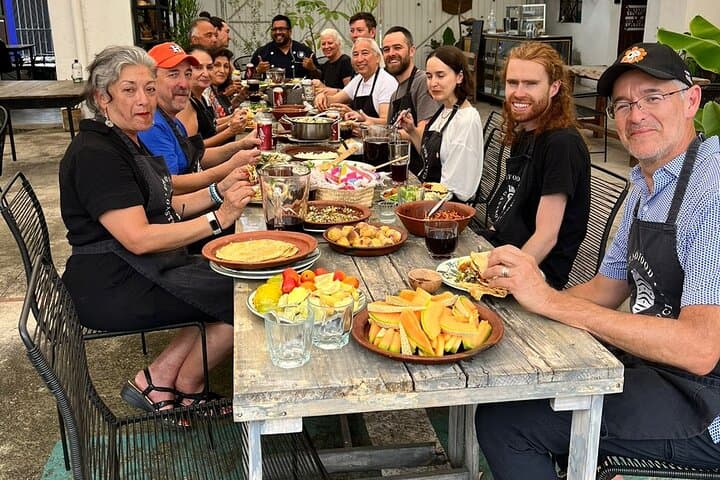
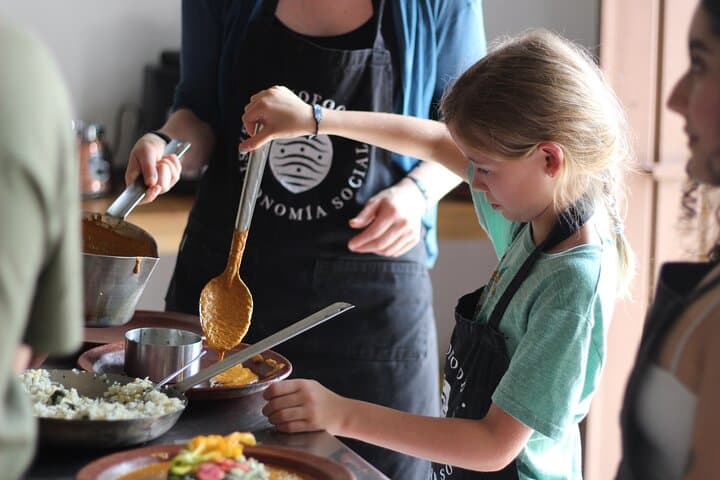
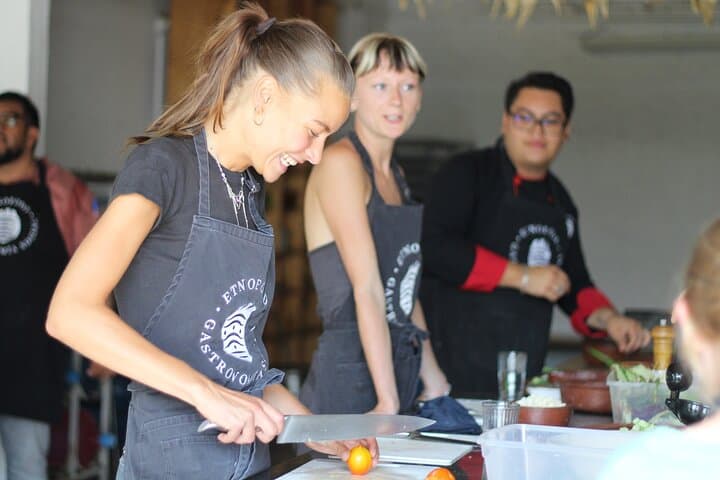
Expect a three-and-a-half-hour session that starts with a guided market tour, then moves to hands-on prep—toasting, grinding, and balancing bitter, sweet and smoky elements—before plating with tortillas or memelas. The class highlights traditional techniques and vegetarian-friendly mole variations; the provider notes they do not use animal or illegal-origin products.
Practical guidance: arrive with comfortable shoes for market walking and be prepared to stand while cooking. Bring small bills for market purchases or tips; the pace is social and collaborative, so basic Spanish helps but is not required. This class is ideal for curious cooks who want deep context as well as recipes: you’ll leave with practical techniques, a printed recipe, and a fuller appreciation for why Oaxaca’s sauces are central to its culinary identity.
easy.
3–4 hours.
Light activity: short market walk and standing while cooking; suitable for most people without serious mobility issues
Yes—the provider notes they do not use animal products and offers vegetarian/vegan mole variations; mention preferences when booking.
Classes are typically conducted in Spanish with some English; confirm language support at booking if you need full translation.
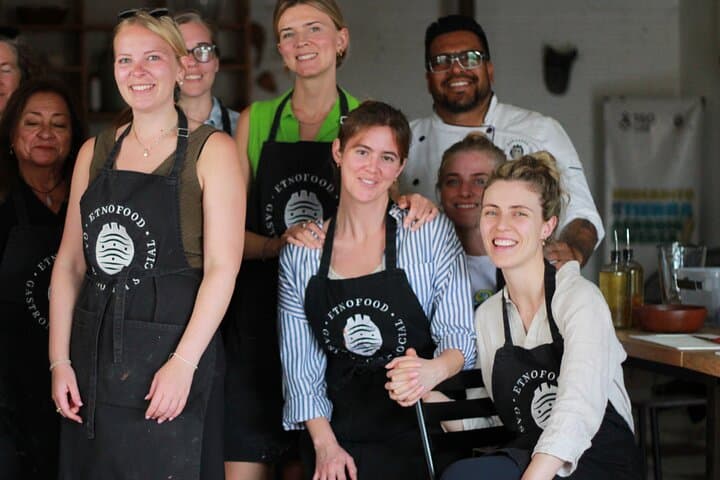
Group sizes are small—shared tours usually cap at 12 people, creating a hands-on environment with individual participation.
All sales are final for this operator—no refunds; check details before booking and confirm availability.
Oaxaca’s moles evolved from indigenous sauce-making practices that incorporated chilies and seeds; cacao and spices introduced later created the layered moles known today.
Look for classes that source from local farmers—supporting heirloom maize and regional chili producers helps sustain biodiversity and culinary traditions.
Etnofood Experiencias operates guided outdoor trips and adventures with an emphasis on safety, stewardship, and memorable experiences.
The market smells like toasted seeds and dried chilies when the group gathers at first light—vendors calling, baskets of chilhuacle and ancho piled high, a chorus of knives on wooden boards. A local cook leads you down narrow aisles to select heirloom maize, fresh herbs and dark chocolate; the ritual of mole begins in the crowd and finishes over a simmering pot in a simple, well-used kitchen.
The market smells like toasted seeds and dried chilies when the group gathers at first light—vendors calling, baskets of chilhuacle and ancho piled high, a chorus of knives on wooden boards. A local cook leads you down narrow aisles to select heirloom maize, fresh herbs and dark chocolate; the ritual of mole begins in the crowd and finishes over a simmering pot in a simple, well-used kitchen.
Oaxaca’s moles are the product of layered history: indigenous chilies, pre-Hispanic techniques and later Spanish and African influences that introduced new spices and cacao. The region’s volcanic soils and microclimates produce distinct chilies and maize varieties, and Oaxaca City’s markets remain the best place to trace those flavors back to source.
Expect a three-and-a-half-hour session that starts with a guided market tour, then moves to hands-on prep—toasting, grinding, and balancing bitter, sweet and smoky elements—before plating with tortillas or memelas. The class highlights traditional techniques and vegetarian-friendly mole variations; the provider notes they do not use animal or illegal-origin products.
Practical guidance: arrive with comfortable shoes for market walking and be prepared to stand while cooking. Bring small bills for market purchases or tips; the pace is social and collaborative, so basic Spanish helps but is not required. This class is ideal for curious cooks who want deep context as well as recipes: you’ll leave with practical techniques, a printed recipe, and a fuller appreciation for why Oaxaca’s sauces are central to its culinary identity.