THE ADVENTURE COLLECTIVE® · Independent discovery and booking for outdoor travel

Spend three hours in Olowalu helping restore native forest and tending traditional Polynesian kalo gardens with local stewards. This hands-on tour pairs physical conservation work with guided cultural interpretation and time by the Olowalu River.
Spend three hours in Olowalu helping restore native forest and tending traditional Polynesian kalo gardens with local stewards. This hands-on tour pairs physical conservation work with guided cultural interpretation and time by the Olowalu River.
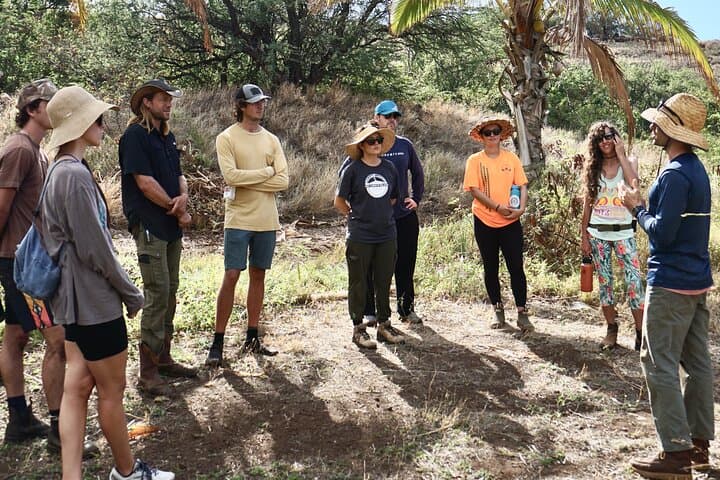
You arrive at the parking lot south of Leoda’s, sun on the windshield and the scent of kiawe and salt on the breeze. A small convoy climbs into Olowalu Valley and slips into a patchwork of wetland kalo loʻi, dryland gardens and a recovering native forest — the worksite feels alive, not museum-quiet.
Verified experiences and guided adventures in the surrounding area.
Operated by Restore Maui LLC · Olowalu, Hawaii
You arrive at the parking lot south of Leoda’s, sun on the windshield and the scent of kiawe and salt on the breeze. A small convoy climbs into Olowalu Valley and slips into a patchwork of wetland kalo loʻi, dryland gardens and a recovering native forest — the worksite feels alive, not museum-quiet.
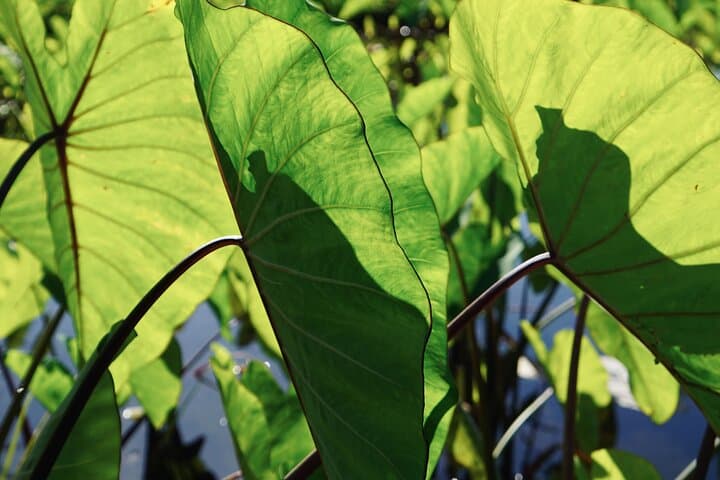
Olowalu sits on old volcanic slopes where lava flows and valleys shaped soil depth and water movement; ancient Hawaiians engineered these conditions into productive kalo terraces and fishponds. Today Kipuka Olowalu revives that agricultural logic while restoring ʻōhiʻa, hapuʻu and other native plants, connecting cultural practice with ecological repair.
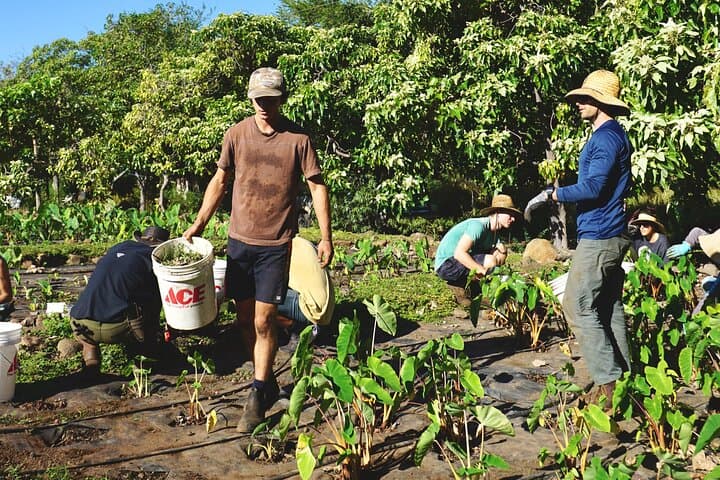
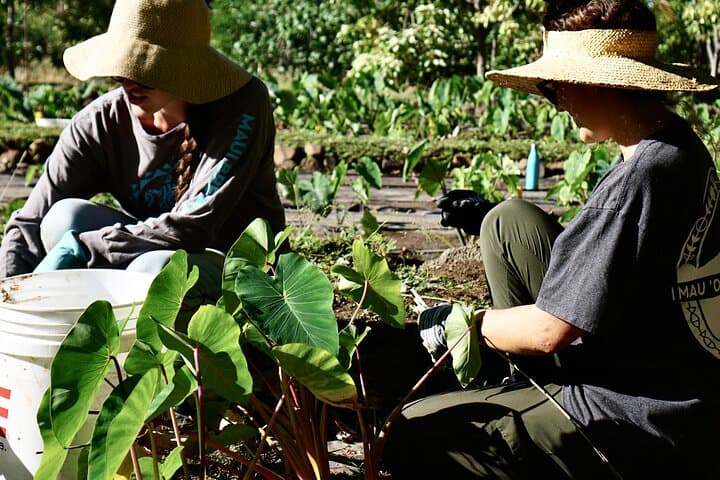
Expect hands-on labor balanced with interpretive walking: 90 minutes of planting, weeding, or tending loʻi followed by a guided 90-minute property tour that includes the reforestation zone, kalo patches and the Olowalu petroglyph area. The river’s shallow pools beckon for a cool wade if you bring a change of clothes.
Practical notes: it’s a three-hour program requiring moderate fitness, sturdy closed-toe shoes and sun protection. Volunteers should be ready to kneel and lift light loads; organizers provide tools and basic instruction. Respectful behavior at cultural sites is mandatory — photography and questions are welcomed, but follow the guide’s cues.
This is work as travel: sweat and soil lead to tangible restoration outcomes, while the land and sea push back with quiet lessons about water, seasonality and shared stewardship. Plan water, shade and a flexible afternoon — you’ll leave with hands full of dirt and a clearer sense of how culture and conservation intersect on Maui.
moderate.
3 hours.
Moderate fitness: able to walk on uneven ground, kneel, carry light loads (up to ~20 lb) and work outdoors for 90 minutes at a time.
Meet in the parking lot south of Leoda’s Kitchen and Pie Shop; participants caravan from there into Olowalu Valley and drive their own vehicles.
The program requires moderate physical activity and close supervision; check with the operator about age limits — infants must sit on laps and the tour is best for older children comfortable with outdoor work.
The river has shallow pools suitable for wading and occasional submersion, but conditions vary — follow guide advice and bring a change of clothes if you plan to enter the water.
Yes — the host provides tools, basic instruction and guidance on planting and restoration tasks; come prepared with appropriate clothing and water.
Olowalu’s valley contains long-standing Polynesian agricultural practices; kalo cultivation and engineered wetland systems reflect centuries of local stewardship.
Kipuka Olowalu focuses on native plant restoration, invasive species control and culturally-informed agriculture; visitors are encouraged to follow leave-no-trace practices and use reef-safe products.
Restore Maui LLC operates guided outdoor trips and adventures with an emphasis on safety, stewardship, and memorable experiences.
You arrive at the parking lot south of Leoda’s, sun on the windshield and the scent of kiawe and salt on the breeze. A small convoy climbs into Olowalu Valley and slips into a patchwork of wetland kalo loʻi, dryland gardens and a recovering native forest — the worksite feels alive, not museum-quiet.
You arrive at the parking lot south of Leoda’s, sun on the windshield and the scent of kiawe and salt on the breeze. A small convoy climbs into Olowalu Valley and slips into a patchwork of wetland kalo loʻi, dryland gardens and a recovering native forest — the worksite feels alive, not museum-quiet.
Olowalu sits on old volcanic slopes where lava flows and valleys shaped soil depth and water movement; ancient Hawaiians engineered these conditions into productive kalo terraces and fishponds. Today Kipuka Olowalu revives that agricultural logic while restoring ʻōhiʻa, hapuʻu and other native plants, connecting cultural practice with ecological repair.
Expect hands-on labor balanced with interpretive walking: 90 minutes of planting, weeding, or tending loʻi followed by a guided 90-minute property tour that includes the reforestation zone, kalo patches and the Olowalu petroglyph area. The river’s shallow pools beckon for a cool wade if you bring a change of clothes.
Practical notes: it’s a three-hour program requiring moderate fitness, sturdy closed-toe shoes and sun protection. Volunteers should be ready to kneel and lift light loads; organizers provide tools and basic instruction. Respectful behavior at cultural sites is mandatory — photography and questions are welcomed, but follow the guide’s cues.
This is work as travel: sweat and soil lead to tangible restoration outcomes, while the land and sea push back with quiet lessons about water, seasonality and shared stewardship. Plan water, shade and a flexible afternoon — you’ll leave with hands full of dirt and a clearer sense of how culture and conservation intersect on Maui.