THE ADVENTURE COLLECTIVE® · Independent discovery and booking for outdoor travel

Cook a classic chicken or vegetarian tajine in a Berber family's Marrakech kitchen. Learn spice techniques, share a meal, and return home with practical skills and a richer sense of Moroccan food culture.
Cook a classic chicken or vegetarian tajine in a Berber family's Marrakech kitchen. Learn spice techniques, share a meal, and return home with practical skills and a richer sense of Moroccan food culture.
You arrive at a modest riad doorway and the scent of toasted cumin and preserved lemon meets you before the host does. Light filters through a carved screen onto a low table strewn with earthenware, bundles of fresh cilantro, and a mound of bright spices that seem to dare you to learn their secrets.
Verified experiences and guided adventures in the surrounding area.
Operated by Adventure Tours Morocco · Marrakech, Marrakech-Safi
You arrive at a modest riad doorway and the scent of toasted cumin and preserved lemon meets you before the host does. Light filters through a carved screen onto a low table strewn with earthenware, bundles of fresh cilantro, and a mound of bright spices that seem to dare you to learn their secrets.
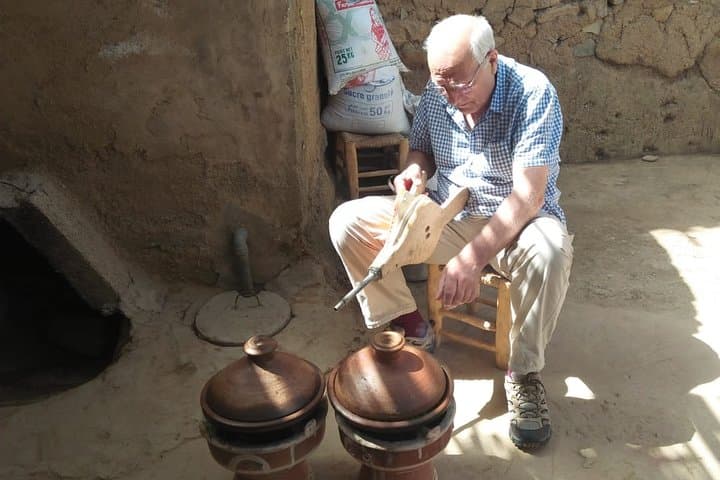
This is a home kitchen, not a show kitchen: a Berber family's daily rhythms guide the class. Berber cuisine has deep roots in the Atlas foothills—slow-cooked tajines, preserved lemons, and mint tea evolved where seasonal produce and communal cooking shaped techniques. The tagine pot itself speaks to geology: clay fired locally for pots that retain heat and coax flavor from modest cuts of meat and mountain vegetables.
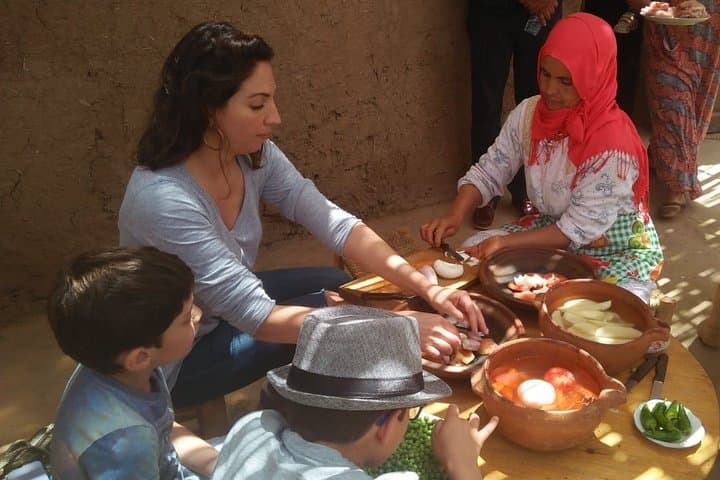
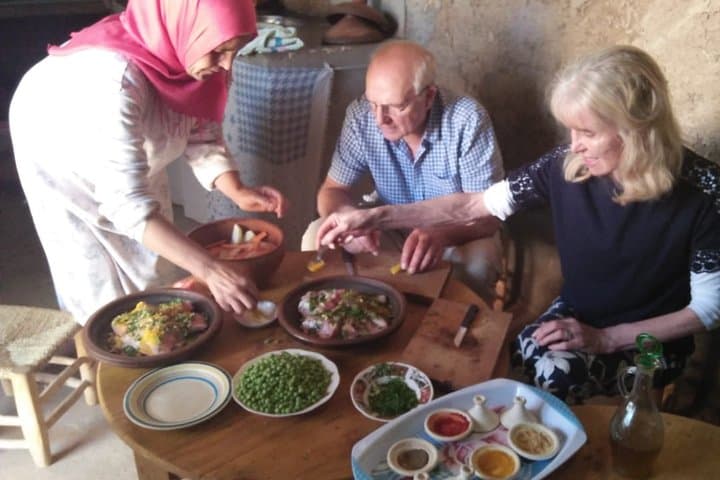
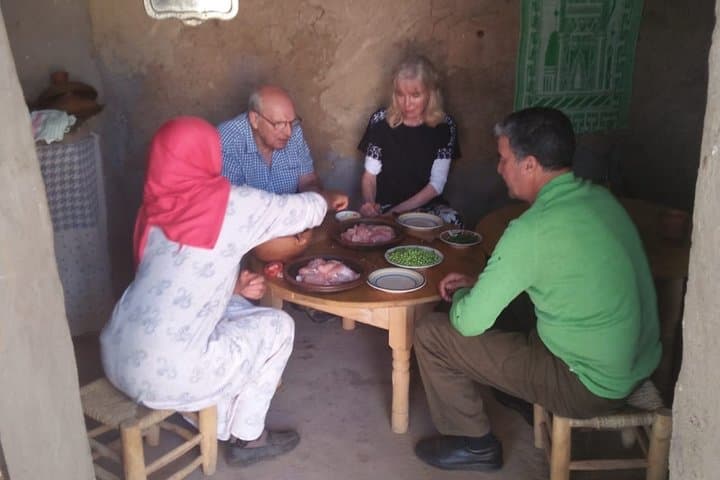
You'll work alongside family members under Chef Hassan's instruction: chopping, tempering spices, and building a classic chicken or vegetarian tajine, then assembling a simple Moroccan salad and steeping mint tea in the traditional pour. Conversation covers recipes, household life, and regional ingredients—ras el hanout, argan oil, and seasonal fruit.
Practical guidance: the full experience runs roughly seven hours and includes air-conditioned transport; arrive with dietary requests noted in booking. Expect long periods of standing and hands-on prep—comfortable shoes and layered clothing help. Bring a reusable water bottle and modest cash for gratuities. If you want a quieter, more personal session, request a smaller group or a private booking in advance. This class is both a cultural exchange and a practical kitchen lesson—by the end you'll walk away with techniques you can recreate at home and a deeper sense of how Berber flavors reflect place and family.
easy.
6–8 hours.
Light to moderate—suitable for people who can stand and move for several hours; minimal lifting.
Yes—an air-conditioned vehicle is listed as part of the inclusions; confirm pickup point when booking.
Yes—vegetarian options are offered; notify dietary needs at booking to ensure arrangements.
Infants and small children can attend, but infants must sit on laps; the experience involves heat and knives, so supervision is needed.
Guests chop, season, and assemble dishes, stir pots, and learn tea preparation—expect several hours of standing and hands-on activity.
Berber cooking techniques predate the modern Moroccan state; tajine and communal tea rituals reflect centuries of mountain agriculture and trade.
Choose classes that use seasonal, local produce and avoid single-use plastics; supporting family-run experiences keeps economic benefits local.
Adventure Tours Morocco operates guided outdoor trips and adventures with an emphasis on safety, stewardship, and memorable experiences.
You arrive at a modest riad doorway and the scent of toasted cumin and preserved lemon meets you before the host does. Light filters through a carved screen onto a low table strewn with earthenware, bundles of fresh cilantro, and a mound of bright spices that seem to dare you to learn their secrets.
You arrive at a modest riad doorway and the scent of toasted cumin and preserved lemon meets you before the host does. Light filters through a carved screen onto a low table strewn with earthenware, bundles of fresh cilantro, and a mound of bright spices that seem to dare you to learn their secrets.
This is a home kitchen, not a show kitchen: a Berber family's daily rhythms guide the class. Berber cuisine has deep roots in the Atlas foothills—slow-cooked tajines, preserved lemons, and mint tea evolved where seasonal produce and communal cooking shaped techniques. The tagine pot itself speaks to geology: clay fired locally for pots that retain heat and coax flavor from modest cuts of meat and mountain vegetables.
You'll work alongside family members under Chef Hassan's instruction: chopping, tempering spices, and building a classic chicken or vegetarian tajine, then assembling a simple Moroccan salad and steeping mint tea in the traditional pour. Conversation covers recipes, household life, and regional ingredients—ras el hanout, argan oil, and seasonal fruit.
Practical guidance: the full experience runs roughly seven hours and includes air-conditioned transport; arrive with dietary requests noted in booking. Expect long periods of standing and hands-on prep—comfortable shoes and layered clothing help. Bring a reusable water bottle and modest cash for gratuities. If you want a quieter, more personal session, request a smaller group or a private booking in advance. This class is both a cultural exchange and a practical kitchen lesson—by the end you'll walk away with techniques you can recreate at home and a deeper sense of how Berber flavors reflect place and family.