THE ADVENTURE COLLECTIVE® · Independent discovery and booking for outdoor travel

Shop a bustling Essaouira market, cook alongside a local family, and eat what you make in a three‑hour hands‑on workshop. This class pairs practical technique with cultural insight for anyone who wants to learn Moroccan home cooking.
Shop a bustling Essaouira market, cook alongside a local family, and eat what you make in a three‑hour hands‑on workshop. This class pairs practical technique with cultural insight for anyone who wants to learn Moroccan home cooking.
The Atlantic wind threads through narrow streets as you meet your host in front of a small neighborhood pharmacy, the agreed landmark. From there a market unfolds — crates of citrus, mounds of cumin and paprika, and fish still glinting from the morning catch — each stall nudging you closer to the menu you’ll choose and cook that afternoon.
Verified experiences and guided adventures in the surrounding area.
Operated by Moroccan Food Tour · Essaouira, Marrakesh-Safi
The Atlantic wind threads through narrow streets as you meet your host in front of a small neighborhood pharmacy, the agreed landmark. From there a market unfolds — crates of citrus, mounds of cumin and paprika, and fish still glinting from the morning catch — each stall nudging you closer to the menu you’ll choose and cook that afternoon.
Essaouira’s harbor-town character comes from a layered past: 18th‑century ramparts built under Sultan Sidi Mohammed ben Abdallah, Portuguese trading ties and a long history as a fishing port once called Mogador. The city’s geology — low, wind‑sculpted headlands and a broad sandy bay — shapes its food culture: Atlantic fish, argan oil from nearby scrublands and well-preserved spice blends.
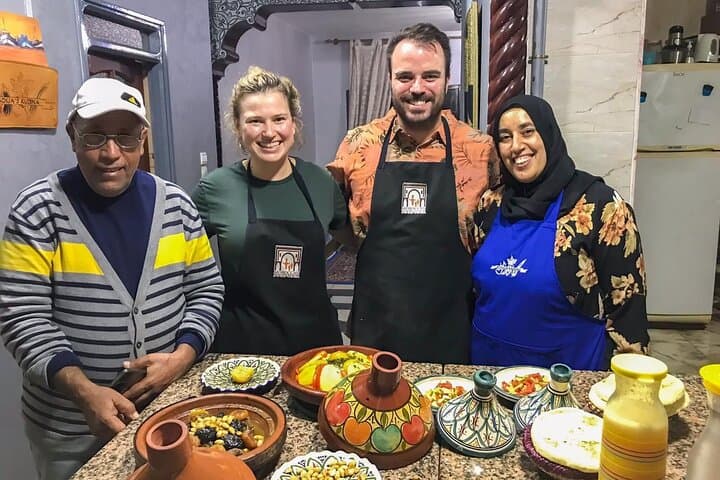
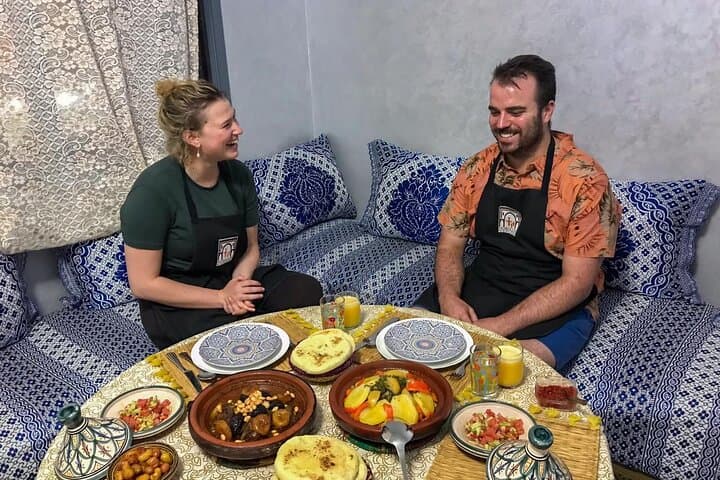
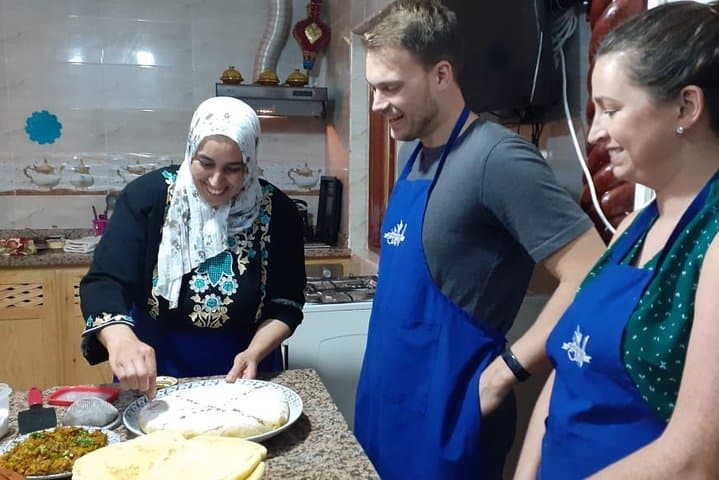
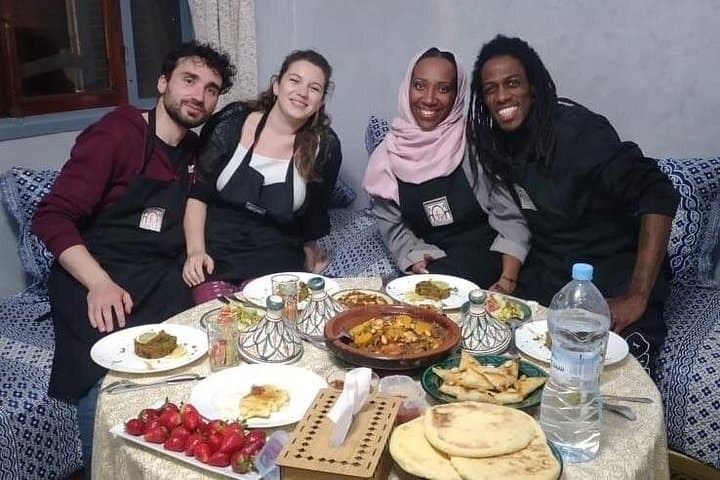
In a family home you’ll move from market bargaining to hands‑on prep: chopping salads, building a tajine or arranging couscous, learning techniques that keep meats tender and vegetables bright. The atmosphere is practical and warm; tea closes the meal and conversation often turns to local tips for exploring the ramparts or quiet rooftop cafés.
Practical notes: the experience lasts about three hours, involves light walking and standing, and welcomes small groups (up to 12) with a minimum of two participants. Tell hosts about dietary needs when booking, bring cash for market extras and wear comfortable shoes for cobbled streets. Timing your class earlier in the day avoids peak tourist crowds at the market and yields fresher produce. Expect a blend of market savvy, tactile cooking skills, and a real taste of Essaouira hospitality.
easy.
3 hours.
Light activity: comfortable walking for market stalls and standing while cooking; suitable for most fitness levels
Yes — hosts ask about preferences and can adapt many dishes; notify them when booking or at check‑in to confirm alternatives.
Meet in front of the local pharmacy stated on your booking; public transport is nearby but transfers are not included unless specified.
Families with older children can participate, but the hands‑on cooking and market pace may be challenging for very young kids; infant seats are available if needed.
Most hosts speak conversational English and French, along with Moroccan Arabic; confirm language needs when booking for a fully guided experience.
Essaouira (formerly Mogador) developed as a fortified Atlantic trading port in the 18th century with European and North African influences shaping its urban plan and cuisine.
Support local producers by buying spices and argan products responsibly; avoid single‑use plastics and respect fishing seasons to reduce pressure on coastal stocks.
Moroccan Food Tour operates guided outdoor trips and adventures with an emphasis on safety, stewardship, and memorable experiences.
The Atlantic wind threads through narrow streets as you meet your host in front of a small neighborhood pharmacy, the agreed landmark. From there a market unfolds — crates of citrus, mounds of cumin and paprika, and fish still glinting from the morning catch — each stall nudging you closer to the menu you’ll choose and cook that afternoon.
The Atlantic wind threads through narrow streets as you meet your host in front of a small neighborhood pharmacy, the agreed landmark. From there a market unfolds — crates of citrus, mounds of cumin and paprika, and fish still glinting from the morning catch — each stall nudging you closer to the menu you’ll choose and cook that afternoon.
Essaouira’s harbor-town character comes from a layered past: 18th‑century ramparts built under Sultan Sidi Mohammed ben Abdallah, Portuguese trading ties and a long history as a fishing port once called Mogador. The city’s geology — low, wind‑sculpted headlands and a broad sandy bay — shapes its food culture: Atlantic fish, argan oil from nearby scrublands and well-preserved spice blends.
In a family home you’ll move from market bargaining to hands‑on prep: chopping salads, building a tajine or arranging couscous, learning techniques that keep meats tender and vegetables bright. The atmosphere is practical and warm; tea closes the meal and conversation often turns to local tips for exploring the ramparts or quiet rooftop cafés.
Practical notes: the experience lasts about three hours, involves light walking and standing, and welcomes small groups (up to 12) with a minimum of two participants. Tell hosts about dietary needs when booking, bring cash for market extras and wear comfortable shoes for cobbled streets. Timing your class earlier in the day avoids peak tourist crowds at the market and yields fresher produce. Expect a blend of market savvy, tactile cooking skills, and a real taste of Essaouira hospitality.