THE ADVENTURE COLLECTIVE® · Independent discovery and booking for outdoor travel

Get up close with capuchins and squirrel monkeys at the Monkey House in Macao — a supervised, educational wildlife experience near Punta Cana. Learn about behavior and species differences while feeding fruit and supporting local, conservation-minded guides.
Get up close with capuchins and squirrel monkeys at the Monkey House in Macao — a supervised, educational wildlife experience near Punta Cana. Learn about behavior and species differences while feeding fruit and supporting local, conservation-minded guides.
You step through a low gate and morning light slices between coconut palms; curious capuchins and squirrel monkeys regard you like old acquaintances, noses twitching for the fruit you’ll offer. The Monkey House in Macao isn’t a zoo visit from behind bars — it’s an up-close program where guides stage safe, supervised interactions, briefing guests on behavior, diet, and species differences before anyone steps into the enclosure.
Verified experiences and guided adventures in the surrounding area.
Operated by CanaGo Tours · Macao, La Altagracia
You step through a low gate and morning light slices between coconut palms; curious capuchins and squirrel monkeys regard you like old acquaintances, noses twitching for the fruit you’ll offer. The Monkey House in Macao isn’t a zoo visit from behind bars — it’s an up-close program where guides stage safe, supervised interactions, briefing guests on behavior, diet, and species differences before anyone steps into the enclosure.
Set on the northern edge of the Punta Cana resort corridor, the site sits on low limestone terrain carved by coastal processes and dotted with native dry-forest vegetation. The guides mix natural-history commentary with practical handling rules: which fruits are appropriate, how to position your hands, and how to read a monkey’s body language. Culturally, this part of La Altagracia blends rural village life and tourism; local staff often include community members whose livelihoods tie to both care and education.
Expect a roughly three-hour visit including transport time if booked from Punta Cana hotels. Terrain is flat and easy—short paths, shaded viewing areas, and an enclosed, naturalistic space for the animals. Practicalities: wear closed-toe shoes, avoid dangling jewelry or loose bags, and bring water and small bills for optional purchases or tips.
The experience balances wonder with responsibility: handlers prioritize animal welfare and visitor safety, but maintaining calm, following instructions, and respecting feeding protocols are non-negotiable. For families and wildlife enthusiasts, this is a tactile way to learn about New World primates while supporting local conservation-aware tourism.
easy.
3 hours.
Suitable for all fitness levels; mostly standing and short flat walks
Yes—staff supervise all interactions and tailor guidelines to children’s ages; guardians must remain attentive and follow instructions.
No—feeding is controlled; staff provide approved fruits to ensure proper diet and avoid harm to the animals.
The listed inclusion notes air-conditioned transport; confirm pickup details with the operator during booking and check hotel pickup availability.
Yes—photos are generally allowed but follow staff guidance during close interactions to avoid startling the animals; flashes are usually prohibited.
The area around Macao sits in La Altagracia province, a region historically linked to fishing and agriculture that has seen tourism growth since the late 20th century, bringing mixed economic opportunities.
Operators emphasize controlled feeding and limited handling to reduce stress; support tours that employ trained local caretakers and donate to habitat or animal care initiatives.
CanaGo Tours operates guided outdoor trips and adventures with an emphasis on safety, stewardship, and memorable experiences.
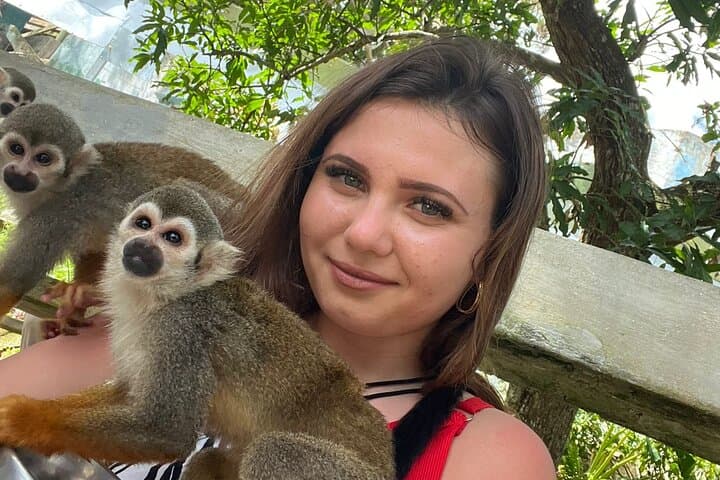
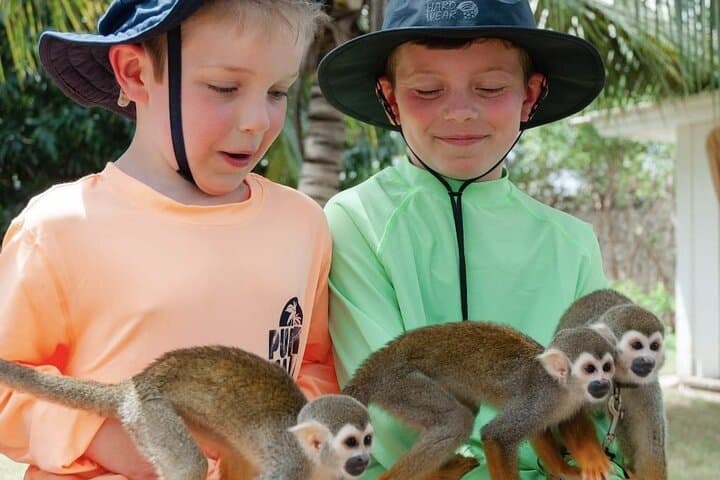
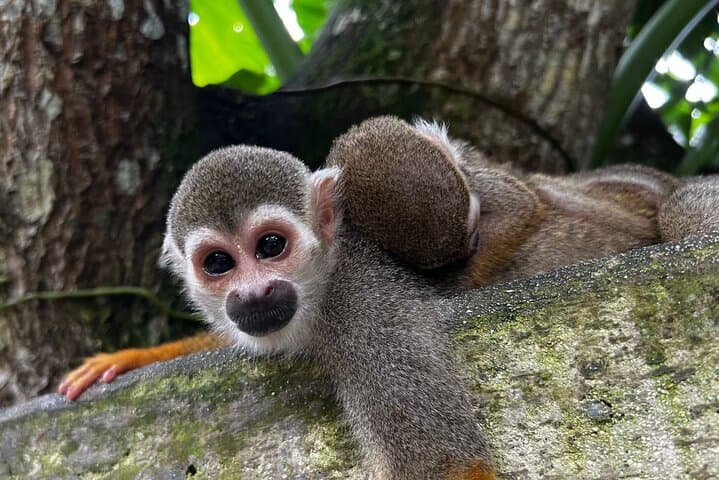
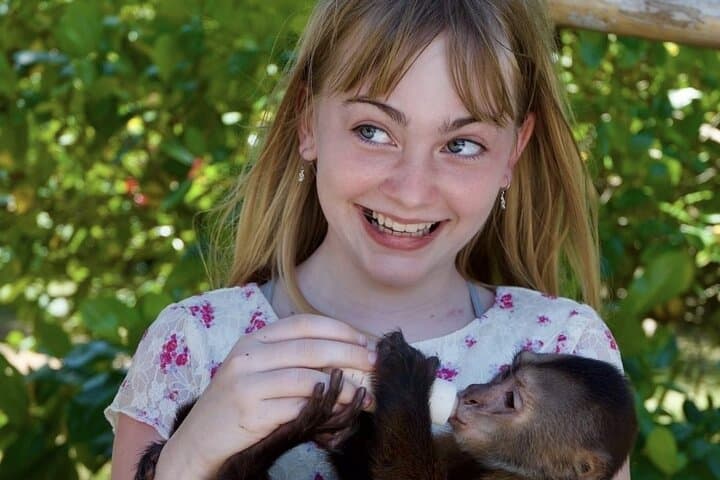
You step through a low gate and morning light slices between coconut palms; curious capuchins and squirrel monkeys regard you like old acquaintances, noses twitching for the fruit you’ll offer. The Monkey House in Macao isn’t a zoo visit from behind bars — it’s an up-close program where guides stage safe, supervised interactions, briefing guests on behavior, diet, and species differences before anyone steps into the enclosure.
You step through a low gate and morning light slices between coconut palms; curious capuchins and squirrel monkeys regard you like old acquaintances, noses twitching for the fruit you’ll offer. The Monkey House in Macao isn’t a zoo visit from behind bars — it’s an up-close program where guides stage safe, supervised interactions, briefing guests on behavior, diet, and species differences before anyone steps into the enclosure.
Set on the northern edge of the Punta Cana resort corridor, the site sits on low limestone terrain carved by coastal processes and dotted with native dry-forest vegetation. The guides mix natural-history commentary with practical handling rules: which fruits are appropriate, how to position your hands, and how to read a monkey’s body language. Culturally, this part of La Altagracia blends rural village life and tourism; local staff often include community members whose livelihoods tie to both care and education.
Expect a roughly three-hour visit including transport time if booked from Punta Cana hotels. Terrain is flat and easy—short paths, shaded viewing areas, and an enclosed, naturalistic space for the animals. Practicalities: wear closed-toe shoes, avoid dangling jewelry or loose bags, and bring water and small bills for optional purchases or tips.
The experience balances wonder with responsibility: handlers prioritize animal welfare and visitor safety, but maintaining calm, following instructions, and respecting feeding protocols are non-negotiable. For families and wildlife enthusiasts, this is a tactile way to learn about New World primates while supporting local conservation-aware tourism.