THE ADVENTURE COLLECTIVE® · Independent discovery and booking for outdoor travel

Brew your own liter of makgeolli in an expert-led class inside Seoul Forest. Learn traditional techniques, taste three styles, and walk away with practical know-how to ferment at home.
Brew your own liter of makgeolli in an expert-led class inside Seoul Forest. Learn traditional techniques, taste three styles, and walk away with practical know-how to ferment at home.
Morning light filters through plane trees in Seoul Forest, and inside a low-slung studio the scent of steamed rice and warm fermentation greets you. The instructor sets out wooden paddles and porcelain cups; the room feels part lab, part kitchen, part neighborhood gathering place. You’ll learn to coax sweetness and cloudiness into a one-liter jar of makgeolli while tasting three regional styles.
Verified experiences and guided adventures in the surrounding area.
Operated by Sool dangdang · Seoul, Seoul
Morning light filters through plane trees in Seoul Forest, and inside a low-slung studio the scent of steamed rice and warm fermentation greets you. The instructor sets out wooden paddles and porcelain cups; the room feels part lab, part kitchen, part neighborhood gathering place. You’ll learn to coax sweetness and cloudiness into a one-liter jar of makgeolli while tasting three regional styles.
Seoul Forest itself is a recent addition to the city’s landscape — converted from former industrial land in the early 2000s — and the area blends reclaimed urban ecology with contemporary culture. Makgeolli dates back centuries as Korea’s everyday rice wine, rooted in household brewing traditions and seasonal harvest cycles; its cloudy texture comes from unrefined rice solids and the action of nuruk, a Korean fermentation starter.
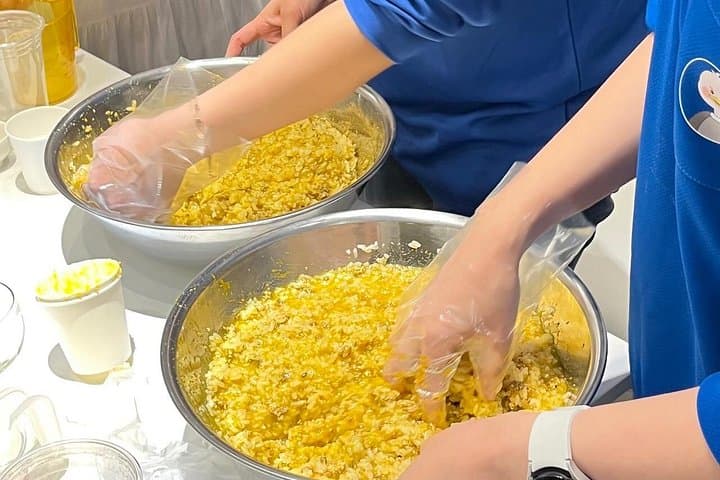
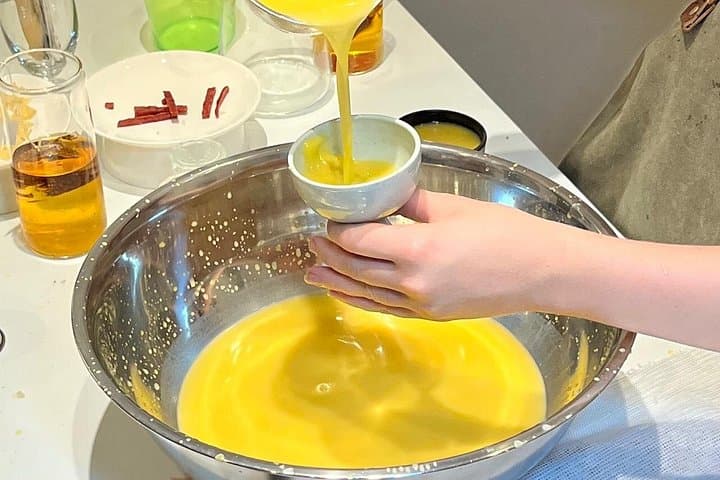
The class balances cultural context with hands-on technique: steaming rice, monitoring temperature, and understanding koji-like fermentation. Expect to feel the weight of a full ladle, hear the gentle fizz of active yeast, and taste grassy, tart, and nutty variations as the brewmaster explains regional differences.
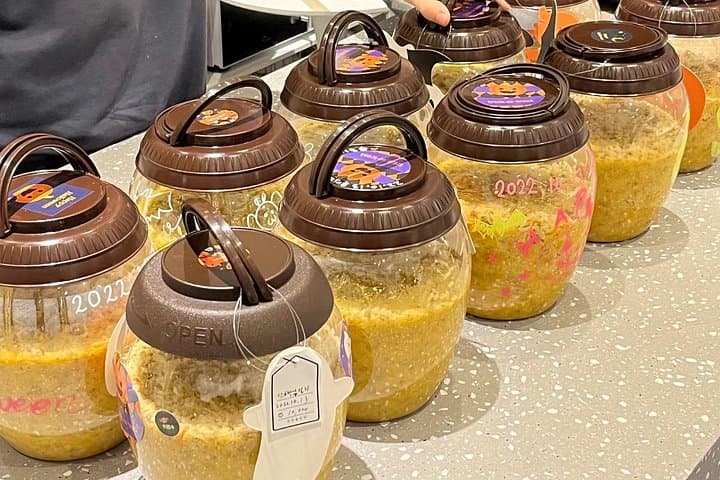
Practical guidance: wear comfortable clothes you don’t mind splashing, arrive 10–15 minutes early to find the studio, and bring a reusable bottle or plan to take the provided one-liter jar home. The session is short (about an hour) but focused — prepare questions about storage and shelf life. Public transit access is straightforward from central Seoul, and light snacks or a picnic in the adjacent park make a good follow-up to your tasting.
easy.
1 hour.
Low; suitable for people comfortable with standing and light manual tasks
Yes — the class yields about 1 liter of freshly brewed makgeolli that you can seal and take home.
Infants may attend (pram/stroller accessible), but the workshop involves hot steam and fermentation equipment; it’s best for older children with supervision.
Classes are typically led in Korean; many operators offer basic English support — confirm language needs when booking.
Fresh makgeolli is best consumed within a week refrigerated; it will continue fermenting and change in flavor and carbonation over time.
Seoul Forest opened in the mid-2000s on reclaimed industrial land as part of urban renewal; it mixes ecological zones, art, and community spaces.
The park is managed as urban green space—participants are encouraged to minimize waste, recycle brewing containers, and avoid pouring fermentation waste into park drains.
Sool dangdang operates guided outdoor trips and adventures with an emphasis on safety, stewardship, and memorable experiences.
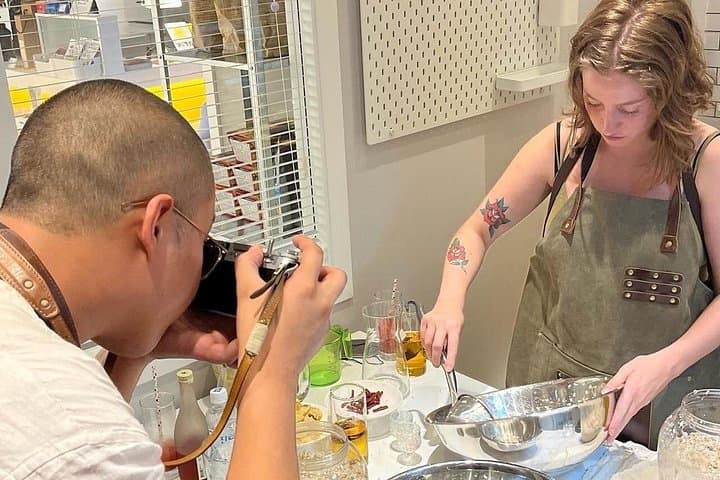
Morning light filters through plane trees in Seoul Forest, and inside a low-slung studio the scent of steamed rice and warm fermentation greets you. The instructor sets out wooden paddles and porcelain cups; the room feels part lab, part kitchen, part neighborhood gathering place. You’ll learn to coax sweetness and cloudiness into a one-liter jar of makgeolli while tasting three regional styles.
Morning light filters through plane trees in Seoul Forest, and inside a low-slung studio the scent of steamed rice and warm fermentation greets you. The instructor sets out wooden paddles and porcelain cups; the room feels part lab, part kitchen, part neighborhood gathering place. You’ll learn to coax sweetness and cloudiness into a one-liter jar of makgeolli while tasting three regional styles.
Seoul Forest itself is a recent addition to the city’s landscape — converted from former industrial land in the early 2000s — and the area blends reclaimed urban ecology with contemporary culture. Makgeolli dates back centuries as Korea’s everyday rice wine, rooted in household brewing traditions and seasonal harvest cycles; its cloudy texture comes from unrefined rice solids and the action of nuruk, a Korean fermentation starter.
The class balances cultural context with hands-on technique: steaming rice, monitoring temperature, and understanding koji-like fermentation. Expect to feel the weight of a full ladle, hear the gentle fizz of active yeast, and taste grassy, tart, and nutty variations as the brewmaster explains regional differences.
Practical guidance: wear comfortable clothes you don’t mind splashing, arrive 10–15 minutes early to find the studio, and bring a reusable bottle or plan to take the provided one-liter jar home. The session is short (about an hour) but focused — prepare questions about storage and shelf life. Public transit access is straightforward from central Seoul, and light snacks or a picnic in the adjacent park make a good follow-up to your tasting.