THE ADVENTURE COLLECTIVE® · Independent discovery and booking for outdoor travel

Board a working lobster boat in Lunenburg to haul traps, identify legal-sized catch, and contribute to real lobster research. This two-hour, hands-on tour combines practical seamanship with coastal conservation.
Board a working lobster boat in Lunenburg to haul traps, identify legal-sized catch, and contribute to real lobster research. This two-hour, hands-on tour combines practical seamanship with coastal conservation.
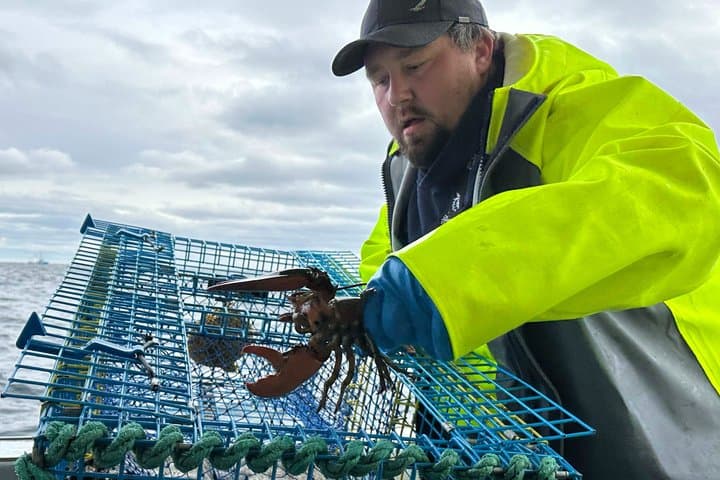
The boat slips free from the wharf and the Atlantic opens like a working map—cold wind pushing, gulls arguing overhead, and the deck humming with rope and routine. Onboard with a Nova Scotia lobsterman, you shoulder a trap, learn the wrist-snap of a line, and feel how tides and seasons dictate a day’s work. The ocean isn’t passive here; it tests your balance and rewards careful hands.
Verified experiences and guided adventures in the surrounding area.
Operated by Expedition Nova Scotia · Lunenburg, Nova Scotia
The boat slips free from the wharf and the Atlantic opens like a working map—cold wind pushing, gulls arguing overhead, and the deck humming with rope and routine. Onboard with a Nova Scotia lobsterman, you shoulder a trap, learn the wrist-snap of a line, and feel how tides and seasons dictate a day’s work. The ocean isn’t passive here; it tests your balance and rewards careful hands.
Lunenburg’s waterfront is a product of geology and labor: glacially scoured bays, shallow ledges rich in shellfish habitat, and centuries of wooden-boat craftsmanship. The town’s fishing culture—recognized as a UNESCO site nearby—still shapes local life; stories of family licenses and seasonal migrations are part of the narration as much as the knots and buoys.
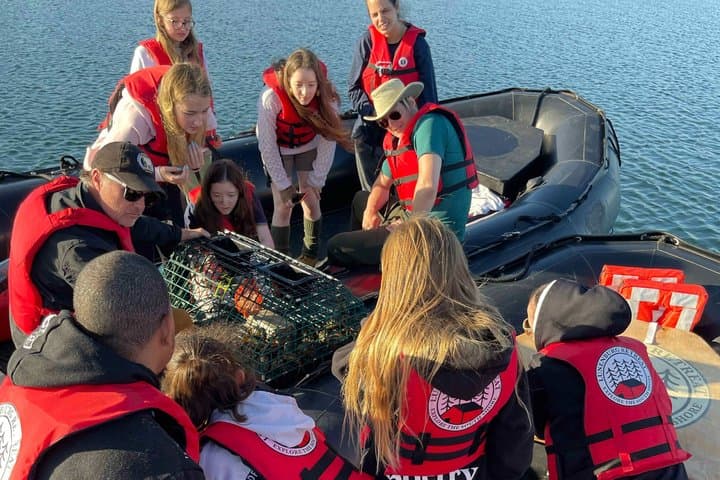
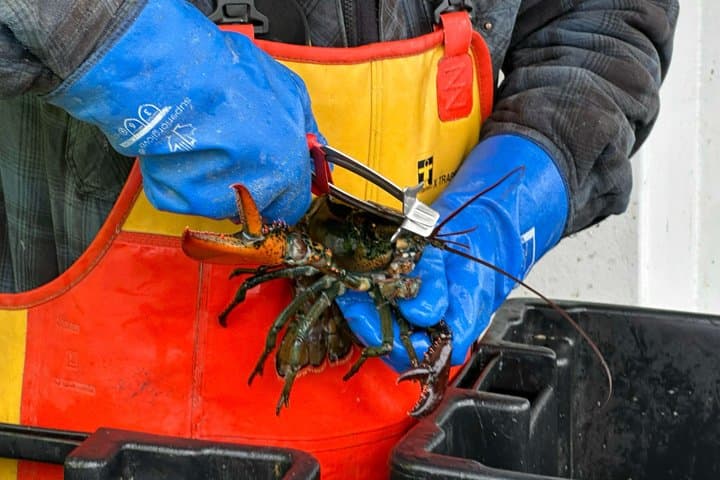
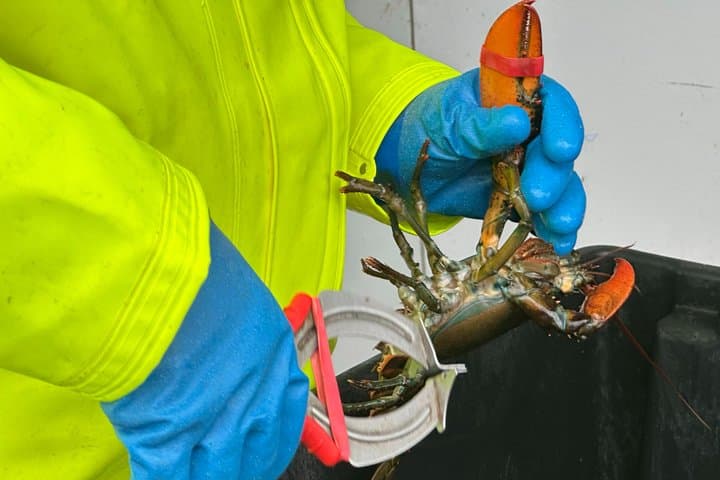
This experience blends practical training and coastal stewardship. You’ll measure lobsters, return egg-bearing females, and log data that feeds academic research. Expect close instruction on gear, legal size limits, and why trap rotation and escape vents matter to future harvests.
Plan practically: dress in waterproof layers, wear non-slip footwear, and bring a small dry bag for electronics. Mornings are calmer for wildlife viewing and safer seas; watch for swift temperature shifts and follow crew guidance—this is real working gear, not a sanitized sightseeing cruise.
After two hours you’ll step back onto the wharf with a better sense of how livelihoods, regulation, and citizen science interlock to keep this fishery alive. It’s tactile learning—the clink of metal traps, the judicious release of small lobsters, and the feel of contributing to a coastline’s future.
easy.
2 hours.
Suitable for most fitness levels; you should be able to step on/off a boat and stand for short periods.
Children can join if supervised and able to follow safety instructions; check age restrictions with the operator before booking.
Trips may be canceled or rescheduled for safety; the operator typically notifies guests in advance and offers refunds within the cancellation policy timeframe.
No prior experience is required—crew provide hands-on instruction, though participants should be comfortable being on a working deck.
Guests record measurements and observations such as carapace length and presence of egg-bearing females; data supports fisheries research and conservation programs.
Lunenburg and surrounding South Shore communities have a centuries-old lobstering tradition tied to wooden boatbuilding and family-run fisheries.
The tour practices selective handling—returning undersized and egg-bearing lobsters—and contributes citizen-science data that helps manage local stocks and reduce bycatch.
Expedition Nova Scotia operates guided outdoor trips and adventures with an emphasis on safety, stewardship, and memorable experiences.
The boat slips free from the wharf and the Atlantic opens like a working map—cold wind pushing, gulls arguing overhead, and the deck humming with rope and routine. Onboard with a Nova Scotia lobsterman, you shoulder a trap, learn the wrist-snap of a line, and feel how tides and seasons dictate a day’s work. The ocean isn’t passive here; it tests your balance and rewards careful hands.
The boat slips free from the wharf and the Atlantic opens like a working map—cold wind pushing, gulls arguing overhead, and the deck humming with rope and routine. Onboard with a Nova Scotia lobsterman, you shoulder a trap, learn the wrist-snap of a line, and feel how tides and seasons dictate a day’s work. The ocean isn’t passive here; it tests your balance and rewards careful hands.
Lunenburg’s waterfront is a product of geology and labor: glacially scoured bays, shallow ledges rich in shellfish habitat, and centuries of wooden-boat craftsmanship. The town’s fishing culture—recognized as a UNESCO site nearby—still shapes local life; stories of family licenses and seasonal migrations are part of the narration as much as the knots and buoys.
This experience blends practical training and coastal stewardship. You’ll measure lobsters, return egg-bearing females, and log data that feeds academic research. Expect close instruction on gear, legal size limits, and why trap rotation and escape vents matter to future harvests.
Plan practically: dress in waterproof layers, wear non-slip footwear, and bring a small dry bag for electronics. Mornings are calmer for wildlife viewing and safer seas; watch for swift temperature shifts and follow crew guidance—this is real working gear, not a sanitized sightseeing cruise.
After two hours you’ll step back onto the wharf with a better sense of how livelihoods, regulation, and citizen science interlock to keep this fishery alive. It’s tactile learning—the clink of metal traps, the judicious release of small lobsters, and the feel of contributing to a coastline’s future.