THE ADVENTURE COLLECTIVE® · Independent discovery and booking for outdoor travel

Learn to cook Jeonju-style bibimbap, kimbap, jeon and bingsu in a 2.5-hour hands-on class at Seoul Cooking Club. The studio offers inclusive menu options and practical, technique-focused instruction ideal for home cooks.
Learn to cook Jeonju-style bibimbap, kimbap, jeon and bingsu in a 2.5-hour hands-on class at Seoul Cooking Club. The studio offers inclusive menu options and practical, technique-focused instruction ideal for home cooks.
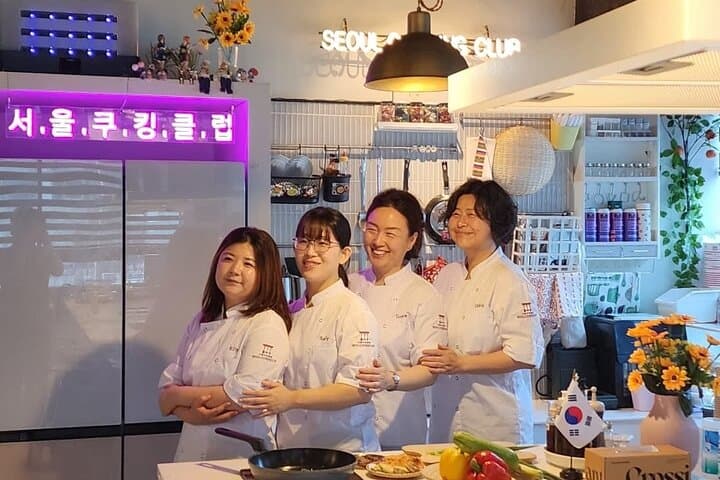
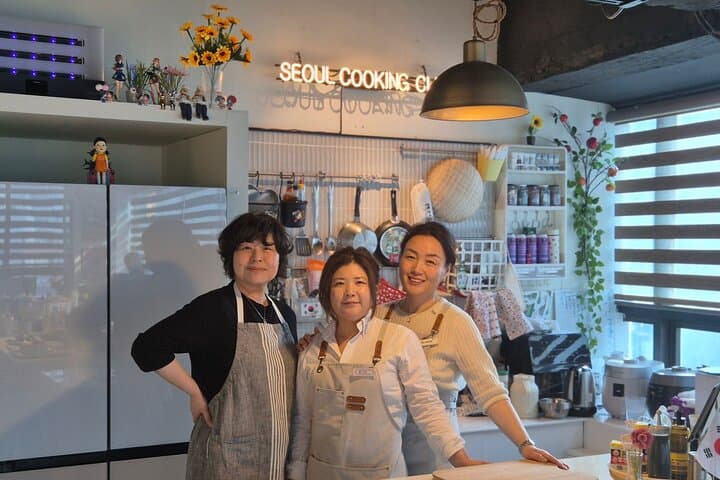
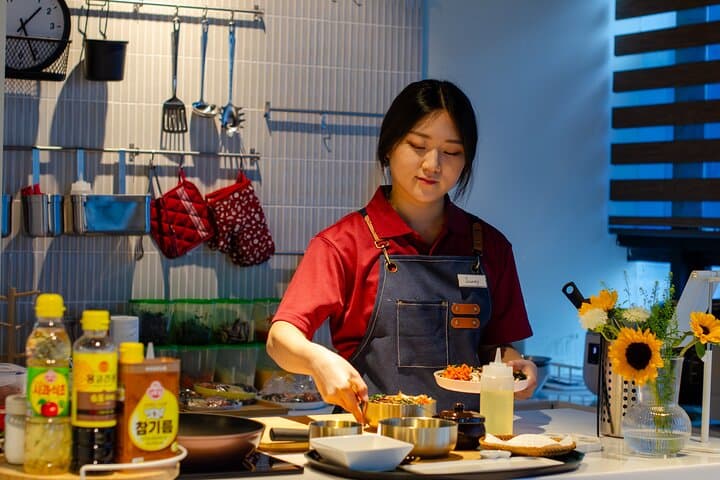
You step off a bright Seoul street and into a compact teaching kitchen where stainless steel counters catch the city light. The instructor—local, practiced, talkative—sets out bowls of gochujang, sesame oil and pickled banchan; the air tightens with the promise of heat and spice. Over 2½ hours you chop, stir and assemble: jeon sizzling on the pan, a signature Jeonju-style bibimbap layered like a careful map, kimbap rolled tight, and bingsu piled high for dessert.
Verified experiences and guided adventures in the surrounding area.
Operated by Premium Cooking Class @ Seoul Cooking Club · Seoul, Seoul
You step off a bright Seoul street and into a compact teaching kitchen where stainless steel counters catch the city light. The instructor—local, practiced, talkative—sets out bowls of gochujang, sesame oil and pickled banchan; the air tightens with the promise of heat and spice. Over 2½ hours you chop, stir and assemble: jeon sizzling on the pan, a signature Jeonju-style bibimbap layered like a careful map, kimbap rolled tight, and bingsu piled high for dessert.
Korean cuisine is regional and seasonal. Bibimbap’s roots are practical—mixed rice assembled to use leftovers—and Jeonju’s variant is prized for its rice, beef and arrayed banchan. The class is a microcosm of Seoul’s food culture: communal, technique-driven and adaptable to dietary needs (vegan, halal, gluten-free options are available). Expect hands-on guidance rather than passive demonstration; this is learning by doing.
Practical guidance: arrive 10–15 minutes early for check-in and brief orientation; classes run about 150 minutes and accommodate up to ~12 people. Wear closed-toe shoes and clothes you don’t mind splashing. Most ingredients are locally sourced—tasting the difference is part of the lesson—so come prepared to sample small portions throughout. Public transit access is convenient; the studio is wheelchair-accessible and accommodates dietary restrictions with advance notice.
Leave with recipes, a clearer sense of Korean flavor building (fermentation, balancing heat and acidity), and dishes you can reproduce at home. The experience is social, technical and distinctly Seoul: efficient, flavorful, and immediately useful.
easy.
2–3 hours.
Minimal physical fitness required; you’ll stand and do light chopping and stirring for the session.
No—this is beginner-friendly. Instructors teach techniques step-by-step and adapt the pace for mixed experience levels.
Yes—vegan, vegetarian, pescatarian, halal and gluten-free options are available if you indicate needs when booking.
Yes—the venue is wheelchair accessible and provides accessible surfaces and transportation options nearby.
Policies vary by class but most allow you to taste and take small portions; check with staff if you want full portions to go.
Korean communal dining and preservation methods shaped dishes like bibimbap and banchan; Jeonju became famous for a concentrated emphasis on rice, fermented condiments and diverse side dishes.
The studio emphasizes local ingredients and minimizes waste by using measured portions; guests are encouraged to reduce single-use plastics and request sustainable substitutions.
Premium Cooking Class @ Seoul Cooking Club operates guided outdoor trips and adventures with an emphasis on safety, stewardship, and memorable experiences.
You step off a bright Seoul street and into a compact teaching kitchen where stainless steel counters catch the city light. The instructor—local, practiced, talkative—sets out bowls of gochujang, sesame oil and pickled banchan; the air tightens with the promise of heat and spice. Over 2½ hours you chop, stir and assemble: jeon sizzling on the pan, a signature Jeonju-style bibimbap layered like a careful map, kimbap rolled tight, and bingsu piled high for dessert.
You step off a bright Seoul street and into a compact teaching kitchen where stainless steel counters catch the city light. The instructor—local, practiced, talkative—sets out bowls of gochujang, sesame oil and pickled banchan; the air tightens with the promise of heat and spice. Over 2½ hours you chop, stir and assemble: jeon sizzling on the pan, a signature Jeonju-style bibimbap layered like a careful map, kimbap rolled tight, and bingsu piled high for dessert.
Korean cuisine is regional and seasonal. Bibimbap’s roots are practical—mixed rice assembled to use leftovers—and Jeonju’s variant is prized for its rice, beef and arrayed banchan. The class is a microcosm of Seoul’s food culture: communal, technique-driven and adaptable to dietary needs (vegan, halal, gluten-free options are available). Expect hands-on guidance rather than passive demonstration; this is learning by doing.
Practical guidance: arrive 10–15 minutes early for check-in and brief orientation; classes run about 150 minutes and accommodate up to ~12 people. Wear closed-toe shoes and clothes you don’t mind splashing. Most ingredients are locally sourced—tasting the difference is part of the lesson—so come prepared to sample small portions throughout. Public transit access is convenient; the studio is wheelchair-accessible and accommodates dietary restrictions with advance notice.
Leave with recipes, a clearer sense of Korean flavor building (fermentation, balancing heat and acidity), and dishes you can reproduce at home. The experience is social, technical and distinctly Seoul: efficient, flavorful, and immediately useful.