THE ADVENTURE COLLECTIVE® · Independent discovery and booking for outdoor travel

Learn to make bibimbap, seaweed soup, and pajeon in a small Haeundae studio where palace-style aprons, tasting sessions, and a shared bapsang meal round out a practical culinary introduction to Busan. Ideal for beginners, the three-hour class pairs technique with cultural context and local flavor.
Learn to make bibimbap, seaweed soup, and pajeon in a small Haeundae studio where palace-style aprons, tasting sessions, and a shared bapsang meal round out a practical culinary introduction to Busan. Ideal for beginners, the three-hour class pairs technique with cultural context and local flavor.
The studio sits a few blocks back from Haeundae Beach, where the sea keeps time against the skyline of Marine City; inside, warm light and the smell of sesame oil replace the wind's salt. You step into Bapsang and are handed a traditional-style apron once worn in palace kitchens, then invited to taste sauces, chop, stir, and plate—the room hums with focused conversation and the low hiss of a pan.
Verified experiences and guided adventures in the surrounding area.
Operated by Bapsang, Korean Cooking Class in Busan · Busan, Busan
The studio sits a few blocks back from Haeundae Beach, where the sea keeps time against the skyline of Marine City; inside, warm light and the smell of sesame oil replace the wind's salt. You step into Bapsang and are handed a traditional-style apron once worn in palace kitchens, then invited to taste sauces, chop, stir, and plate—the room hums with focused conversation and the low hiss of a pan.
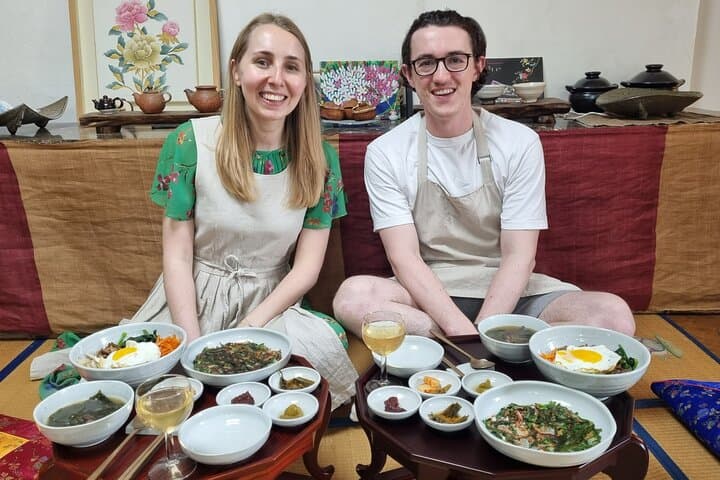
Haeundae grew from a small fishing village into Busan's busiest shorefront, its food culture shaped by coastal trade and regional ingredients. Bapsang borrows from that history: bibimbap, miyeok-guk (seaweed soup), and pajeon (green onion pancake) are practical lessons in balance—salt, heat, and texture—while tea and simple desserts close the meal with calm. The class also introduces basic table customs like dining at a low bapsang and the seasonal meaning of certain side dishes.
Practically, the experience is beginner-friendly and sensory—expect hands-on prep, guided technique, and a shared meal you helped make. Bring an appetite and closed-toe shoes; classes run about three hours and are suitable for small groups. If sitting on the floor is uncomfortable, chairs are provided. Ask about dietary requests when booking; vegetarian and allergy adaptations are often possible. Timing a lesson in the late afternoon leaves daylight to walk Haeundae Beach afterward, or to explore nearby markets for local ingredients you learned about. The class is as much about cooking as it is about how food anchors community in Busan—efficient, tactile, and grounded in local taste.
easy.
3 hours.
Minimal fitness required; standing for prep and cooking for up to three hours is typical
No prior experience is required; the class is designed for beginners and provides step-by-step instruction.
Yes—notify the host when booking so the menu can be adjusted for allergies or vegetarian needs where possible.
No, traditional low bapsang is offered but chairs are available if you prefer not to sit on the floor.
Sessions are small, typically capped at eight participants to keep instruction hands-on.
Haeundae evolved from fishing community to a major seaside district; the term bapsang refers to the traditional Korean dining table and reflects communal eating culture.
Choose sustainable seafood where possible and minimize single-use plastics; local markets are increasingly labeling seasonal and sustainable catches.
Bapsang, Korean Cooking Class in Busan operates guided outdoor trips and adventures with an emphasis on safety, stewardship, and memorable experiences.
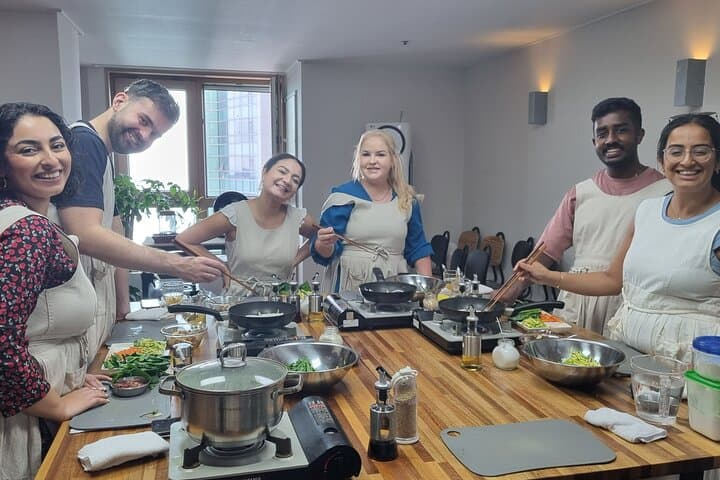
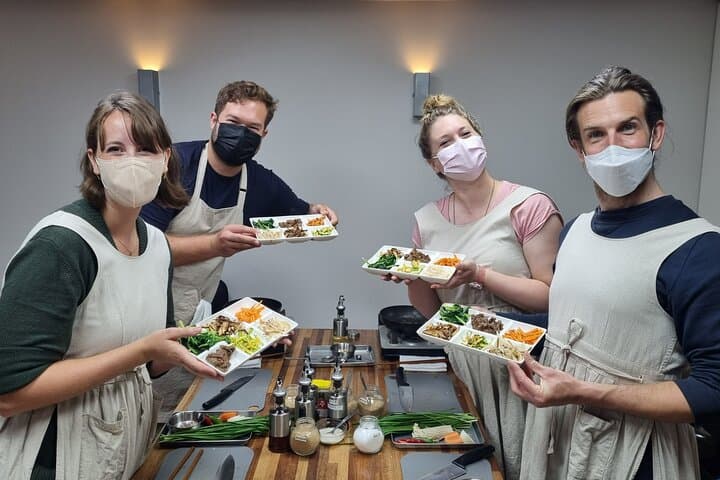
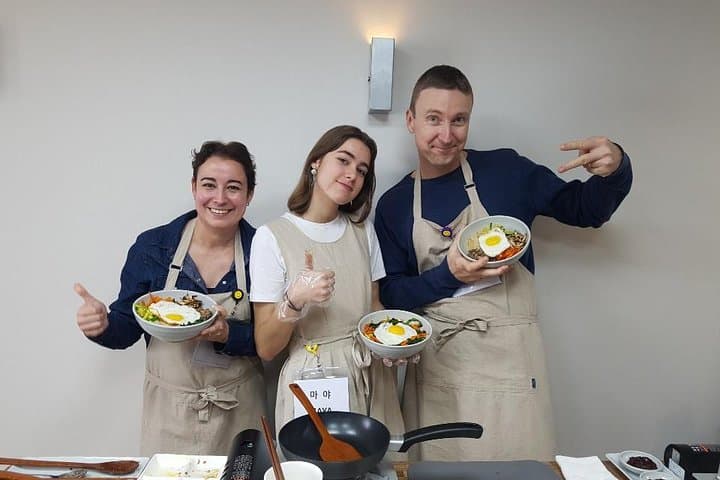
The studio sits a few blocks back from Haeundae Beach, where the sea keeps time against the skyline of Marine City; inside, warm light and the smell of sesame oil replace the wind's salt. You step into Bapsang and are handed a traditional-style apron once worn in palace kitchens, then invited to taste sauces, chop, stir, and plate—the room hums with focused conversation and the low hiss of a pan.
The studio sits a few blocks back from Haeundae Beach, where the sea keeps time against the skyline of Marine City; inside, warm light and the smell of sesame oil replace the wind's salt. You step into Bapsang and are handed a traditional-style apron once worn in palace kitchens, then invited to taste sauces, chop, stir, and plate—the room hums with focused conversation and the low hiss of a pan.
Haeundae grew from a small fishing village into Busan's busiest shorefront, its food culture shaped by coastal trade and regional ingredients. Bapsang borrows from that history: bibimbap, miyeok-guk (seaweed soup), and pajeon (green onion pancake) are practical lessons in balance—salt, heat, and texture—while tea and simple desserts close the meal with calm. The class also introduces basic table customs like dining at a low bapsang and the seasonal meaning of certain side dishes.
Practically, the experience is beginner-friendly and sensory—expect hands-on prep, guided technique, and a shared meal you helped make. Bring an appetite and closed-toe shoes; classes run about three hours and are suitable for small groups. If sitting on the floor is uncomfortable, chairs are provided. Ask about dietary requests when booking; vegetarian and allergy adaptations are often possible. Timing a lesson in the late afternoon leaves daylight to walk Haeundae Beach afterward, or to explore nearby markets for local ingredients you learned about. The class is as much about cooking as it is about how food anchors community in Busan—efficient, tactile, and grounded in local taste.