THE ADVENTURE COLLECTIVE® · Independent discovery and booking for outdoor travel

Go beyond petting zoos: Bullswool Heritage Farm pairs hands-on animal encounters with working historic exhibits and a native bird reserve minutes from Karangahake Gorge. Perfect for families who want active, educational time outdoors.
Go beyond petting zoos: Bullswool Heritage Farm pairs hands-on animal encounters with working historic exhibits and a native bird reserve minutes from Karangahake Gorge. Perfect for families who want active, educational time outdoors.
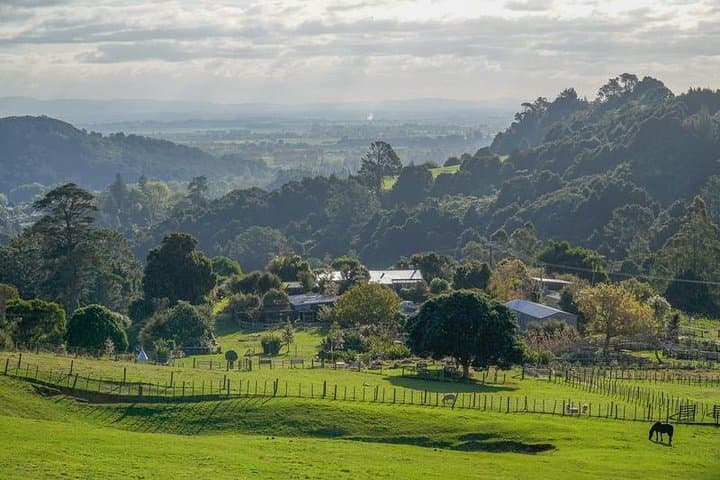
You step off the farm gate and the hills breathe around you: rough pasture rolling into pockets of native bush, a chorus of tui and kererū punctuating the air. At Bullswool Heritage Farm the landscape feels alive — the farm’s paddocks, old kauri relics and the Karangahake ridgeline close enough to touch create a compact, kinetic slice of rural New Zealand.
Verified experiences and guided adventures in the surrounding area.
Operated by Bullswool Heritage Farm · Paeroa, Waikato
You step off the farm gate and the hills breathe around you: rough pasture rolling into pockets of native bush, a chorus of tui and kererū punctuating the air. At Bullswool Heritage Farm the landscape feels alive — the farm’s paddocks, old kauri relics and the Karangahake ridgeline close enough to touch create a compact, kinetic slice of rural New Zealand.
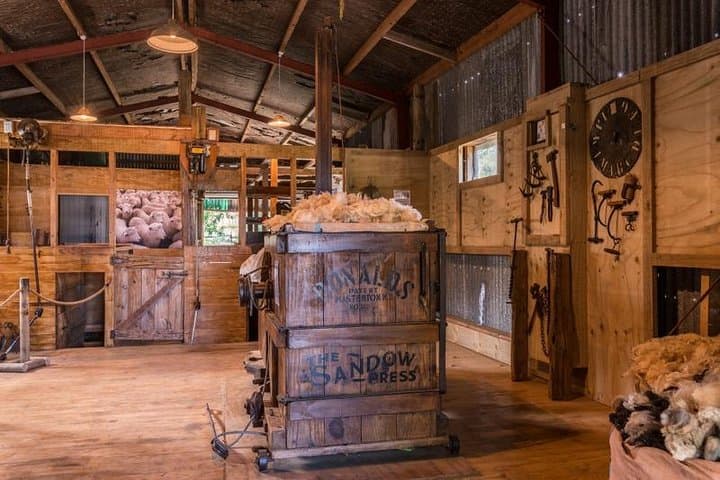
The property sits on land shaped by gold-era roads and early settler farms; the working sheepshed and milking displays trace the region’s pivot from gold mining to pastoral life. Geology is at the surface here—stone outcrops and river-carved gullies tell the story of volcanic and fluvial forces that formed the Coromandel fringe. Cultural threads run through small museums on site, showcasing Māori place-names, settler tools, and the horse-powered skills that built local communities.
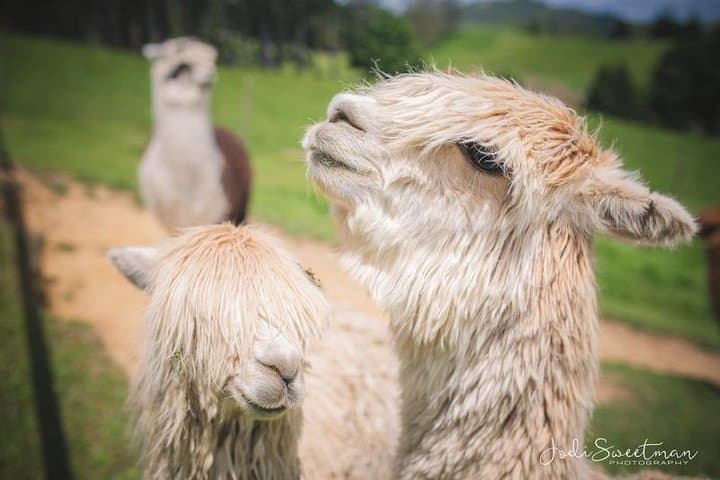
Practical visitors will find an educational, hands-on program: rare-breed animals to feed, stables and a horse museum, a native bird reserve, and compact interpretive exhibits that make family learning easy and tactile. The farm’s layout keeps walking distances short but varied—expect unpaved paths, gentle slopes, and mixed terrain across 100 acres. Staff-led demonstrations pace the visit, making it suitable for children and older visitors.
Bring layered clothing for changeable weather, waterproof footwear for muddy paddocks, and a refillable water bottle. Plan 2–3 hours to engage with displays, feedings and the bird reserve; mornings are busiest, late afternoons quieter. Respect animal handlers’ instructions, leave no trace, and enjoy a genuine, gritty taste of Kiwi farm life.
easy.
2–3 hours.
Suitable for families and visitors with moderate mobility; some walking on uneven ground is required
Plan on 2–3 hours to see the sheepshed displays, animal park, bird reserve and museums at a relaxed pace.
Yes—paths are stroller-accessible in main visitor areas, and exhibits are family-friendly, though some paddocks have uneven ground.
The farm provides basic visitor facilities including toilets and parking; confirm opening hours before arrival.
Yes—hand-feeding is a featured activity during supervised times; always follow staff instructions for safety and animal health.
Bullswool sits on land shaped by 19th-century goldfield access routes and early European settler farms; on-site museums document shearing, milking and kauri-era artifacts.
The farm operates a native bird reserve and promotes low-impact visitation—stick to paths and follow feeding rules to protect wildlife and habitats.
Bullswool Heritage Farm operates guided outdoor trips and adventures with an emphasis on safety, stewardship, and memorable experiences.
You step off the farm gate and the hills breathe around you: rough pasture rolling into pockets of native bush, a chorus of tui and kererū punctuating the air. At Bullswool Heritage Farm the landscape feels alive — the farm’s paddocks, old kauri relics and the Karangahake ridgeline close enough to touch create a compact, kinetic slice of rural New Zealand.
You step off the farm gate and the hills breathe around you: rough pasture rolling into pockets of native bush, a chorus of tui and kererū punctuating the air. At Bullswool Heritage Farm the landscape feels alive — the farm’s paddocks, old kauri relics and the Karangahake ridgeline close enough to touch create a compact, kinetic slice of rural New Zealand.
The property sits on land shaped by gold-era roads and early settler farms; the working sheepshed and milking displays trace the region’s pivot from gold mining to pastoral life. Geology is at the surface here—stone outcrops and river-carved gullies tell the story of volcanic and fluvial forces that formed the Coromandel fringe. Cultural threads run through small museums on site, showcasing Māori place-names, settler tools, and the horse-powered skills that built local communities.
Practical visitors will find an educational, hands-on program: rare-breed animals to feed, stables and a horse museum, a native bird reserve, and compact interpretive exhibits that make family learning easy and tactile. The farm’s layout keeps walking distances short but varied—expect unpaved paths, gentle slopes, and mixed terrain across 100 acres. Staff-led demonstrations pace the visit, making it suitable for children and older visitors.
Bring layered clothing for changeable weather, waterproof footwear for muddy paddocks, and a refillable water bottle. Plan 2–3 hours to engage with displays, feedings and the bird reserve; mornings are busiest, late afternoons quieter. Respect animal handlers’ instructions, leave no trace, and enjoy a genuine, gritty taste of Kiwi farm life.