THE ADVENTURE COLLECTIVE® · Independent discovery and booking for outdoor travel

Learn Kerala family recipes in a private three-hour class inside a Kochi home. Hands-on cooking, printed recipes, and local beer make this a practical, culturally rich way to taste the region.
Learn Kerala family recipes in a private three-hour class inside a Kochi home. Hands-on cooking, printed recipes, and local beer make this a practical, culturally rich way to taste the region.
You step up to a tidy apartment balcony that looks out over Ernakulam’s green roofs and the slow flow of backwater light. Inside, Freeda moves through her kitchen with practiced calm—knives clink, coconut oil hisses, and a jar of hand-mixed curry paste waits like an invitation.
Verified experiences and guided adventures in the surrounding area.
Operated by Traveling Spoon · Kochi, Kerala
You step up to a tidy apartment balcony that looks out over Ernakulam’s green roofs and the slow flow of backwater light. Inside, Freeda moves through her kitchen with practiced calm—knives clink, coconut oil hisses, and a jar of hand-mixed curry paste waits like an invitation.
Kochi’s food reflects its layered past: Portuguese, Dutch, Arab and Syrian Christian influences arrived here with spices and ships, and the city’s fish curries and appams carry that history. The local geology—coastal plains and fertile alluvium—feeds abundant rice and coconut, staples that shape Kerala’s flavor profile. At Freeda’s table you’ll sample family recipes such as karimeen pollichathu and Syrian beef fry, dishes that map cultural exchange onto simple, seasonal ingredients.
This is a hands-on, three-hour private class: you’ll learn 2–3 dishes, start with vada and chutney, cook appam or idiappam, and finish with a coconut pudding or panna cotta. Freeda supplies ingredients, printed recipes, and local beer; she can accommodate dietary needs if told in advance.
Practical notes: arrive on time, wear closed-toe shoes and modest, easy-to-clean clothing, and expect standing and light chopping work. Bring a small notebook or use the printed recipes to repeat dishes at home. Conversation often drifts to local markets and where to buy fresh spices—Freeda’s tips are as useful as the techniques.
For travelers who want an intimate, culinary introduction to Kerala, this class pairs cultural context with practical skills you can take home.
easy.
3 hours.
Minimal physical fitness required—standing, light chopping, and short periods of movement around the kitchen.
Yes—Freeda can adjust dishes for dietary restrictions; include details when booking so she can plan alternatives.
No—guests arrange their own transport; the class is held in Freeda’s Kochi apartment and typically accessible by taxi or ride-hail.
The class is conducted in English, with occasional Malayalam phrases; hosts are used to explaining techniques to international guests.
Full refund if canceled at least 24 hours before the scheduled start; no refund within 24 hours of the experience.
Kochi grew as a global spice port; Syrian Christian communities and colonial traders shaped dishes like appam, karimeen pollichathu, and meat-based curries.
Ask about fish sourcing—local hosts often prefer sustainably caught fish when available; support small-scale vendors and minimize single-use plastics.
Traveling Spoon operates guided outdoor trips and adventures with an emphasis on safety, stewardship, and memorable experiences.
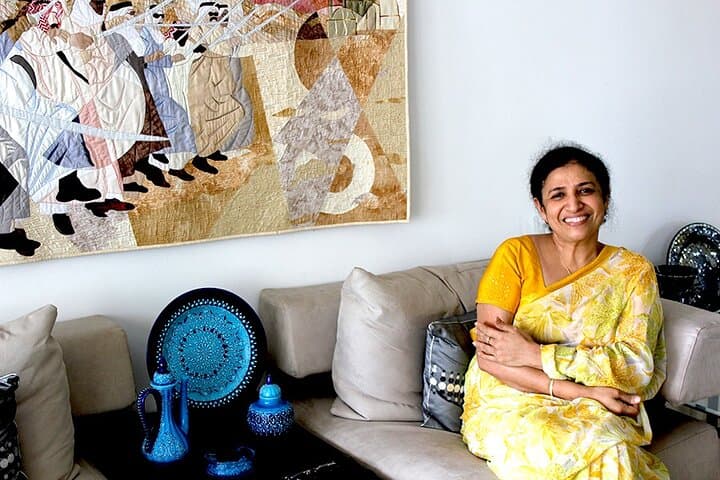
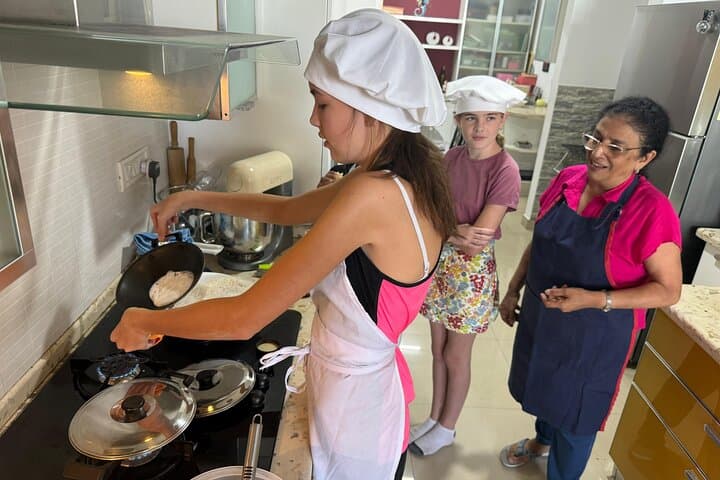
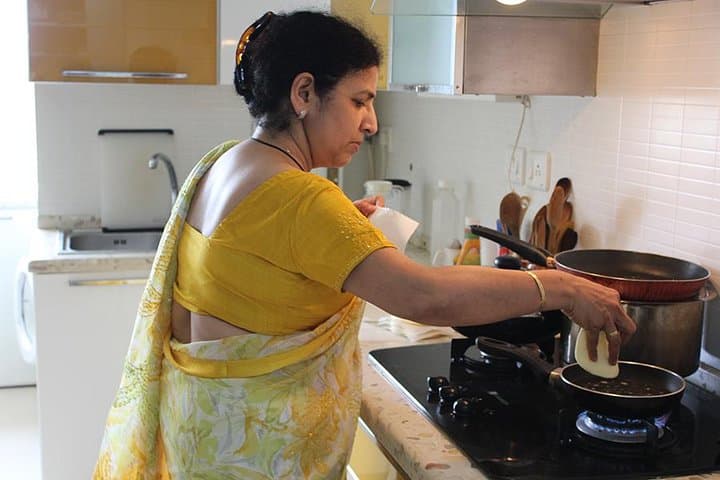
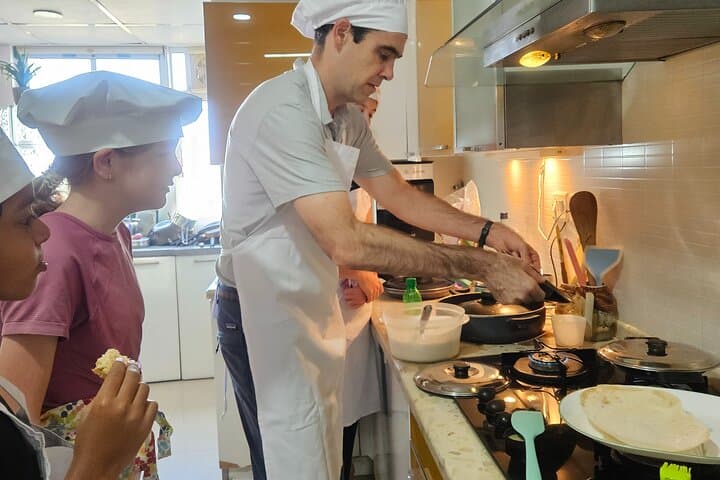
You step up to a tidy apartment balcony that looks out over Ernakulam’s green roofs and the slow flow of backwater light. Inside, Freeda moves through her kitchen with practiced calm—knives clink, coconut oil hisses, and a jar of hand-mixed curry paste waits like an invitation.
You step up to a tidy apartment balcony that looks out over Ernakulam’s green roofs and the slow flow of backwater light. Inside, Freeda moves through her kitchen with practiced calm—knives clink, coconut oil hisses, and a jar of hand-mixed curry paste waits like an invitation.
Kochi’s food reflects its layered past: Portuguese, Dutch, Arab and Syrian Christian influences arrived here with spices and ships, and the city’s fish curries and appams carry that history. The local geology—coastal plains and fertile alluvium—feeds abundant rice and coconut, staples that shape Kerala’s flavor profile. At Freeda’s table you’ll sample family recipes such as karimeen pollichathu and Syrian beef fry, dishes that map cultural exchange onto simple, seasonal ingredients.
This is a hands-on, three-hour private class: you’ll learn 2–3 dishes, start with vada and chutney, cook appam or idiappam, and finish with a coconut pudding or panna cotta. Freeda supplies ingredients, printed recipes, and local beer; she can accommodate dietary needs if told in advance.
Practical notes: arrive on time, wear closed-toe shoes and modest, easy-to-clean clothing, and expect standing and light chopping work. Bring a small notebook or use the printed recipes to repeat dishes at home. Conversation often drifts to local markets and where to buy fresh spices—Freeda’s tips are as useful as the techniques.
For travelers who want an intimate, culinary introduction to Kerala, this class pairs cultural context with practical skills you can take home.