THE ADVENTURE COLLECTIVE® · Independent discovery and booking for outdoor travel

Try a three-hour, instructor-led kendo session in Saitama that mixes history, hands-on drills, and live matches. Perfect for travelers seeking an active cultural experience with minimal prior skill required.
Try a three-hour, instructor-led kendo session in Saitama that mixes history, hands-on drills, and live matches. Perfect for travelers seeking an active cultural experience with minimal prior skill required.
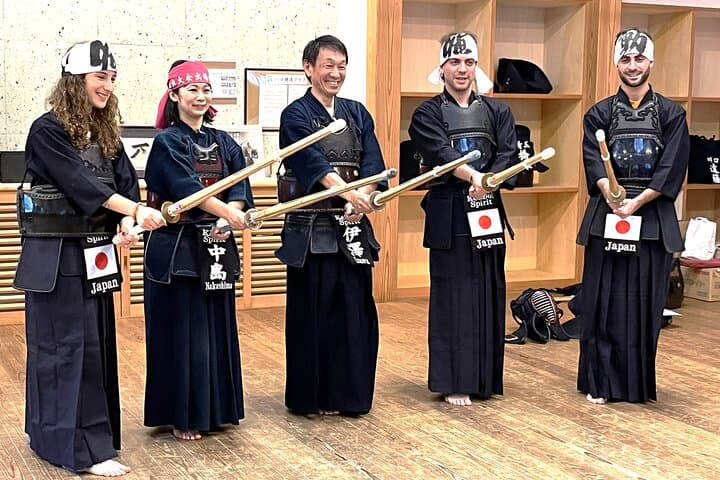
Stepping into the dojo, the polished wooden floor answers each footfall with a clear, dry clap. The air holds the scent of rice paper and oiled wood; lacquered shinai tap out an easy rhythm that draws attention to posture and breath. Under the watchful calm of a 7th-dan and 6th-dan instructor, visitors move from awkward curiosity to focused practice over three hours.
Verified experiences and guided adventures in the surrounding area.
Operated by KenDo Spirit · Saitama City, Saitama Prefecture
Stepping into the dojo, the polished wooden floor answers each footfall with a clear, dry clap. The air holds the scent of rice paper and oiled wood; lacquered shinai tap out an easy rhythm that draws attention to posture and breath. Under the watchful calm of a 7th-dan and 6th-dan instructor, visitors move from awkward curiosity to focused practice over three hours.
Kendo grew from samurai kenjutsu schools and was codified into a modern martial art in the Meiji and Taisho periods, later becoming a discipline used in education to teach etiquette and self-control. In Saitama—part of the flat Kanto Plain just north of Tokyo—the practice keeps both the physical techniques and cultural rituals intact: bowing, lining up, and the deliberate polishing of bogu. Watching high-ranked players spar is as much a cultural lesson as a sporting one; their strikes and counters illustrate centuries of technique refined into sport.
The program includes a short history, putting on keikogi and bogu, basic uchikomi (repetitive striking drills), match observation, and a communal tea afterward. Practical tips matter: arrive early to change, follow dojang etiquette (no shoes on the floor, bow when entering), and disclose any health issues when booking. Expect light-to-moderate physical exertion—repeated footwork and wrist work are standard—and a patient, respectful pace set by instructors.
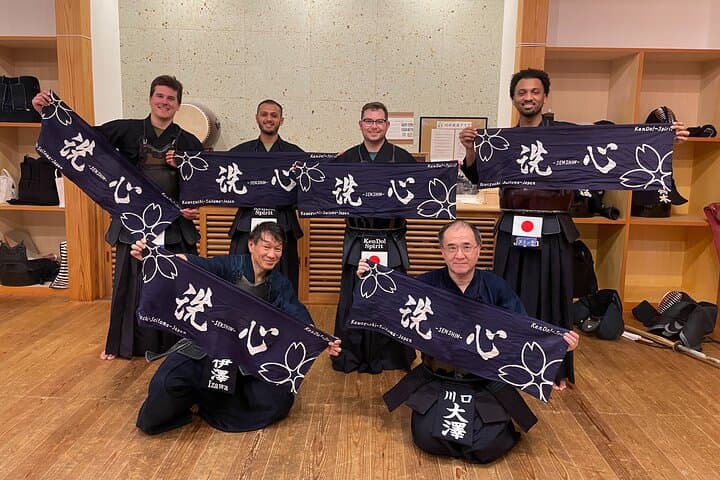
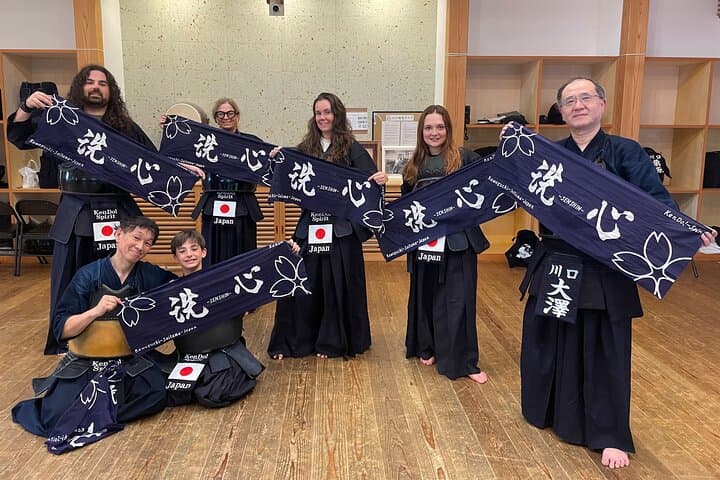
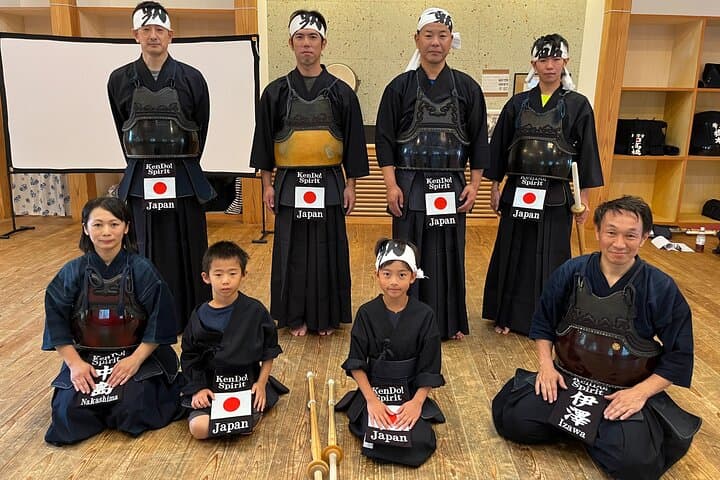
This experience works well as a cultural highlight for families or solo travelers who want hands-on insight into Bushido-influenced practice without prior training. It’s an accessible way to carry home a deeper sense of Japanese discipline and ritual, plus a photo with instructors and a traditional tenugui memento.
easy.
3 hours.
Suitable for most fitness levels; requires light aerobic capacity and wrist mobility for repetitive striking drills.
No—this program is designed for beginners; instructors cover basics and safe uchikomi drills.
Kendo-gi, bogu (protective gear), shinai and a tenugui towel are provided as part of the experience.
Yes—children can join but staff will confirm age and physical suitability at booking; some drills are adapted for younger participants.
Not recommended for pregnant travelers, those with serious heart conditions, or significant spinal injuries—disclose medical issues when booking.
Kendo evolved from samurai swordsmanship (kenjutsu) and was standardized in the Meiji era into an educational martial art emphasizing etiquette, discipline, and mutual respect.
Respect dojo maintenance practices—no shoes on the floor and follow cleaning routines; supporting local dojos helps preserve traditional instruction and gear reuse rather than disposable equipment.
KenDo Spirit operates guided outdoor trips and adventures with an emphasis on safety, stewardship, and memorable experiences.
Stepping into the dojo, the polished wooden floor answers each footfall with a clear, dry clap. The air holds the scent of rice paper and oiled wood; lacquered shinai tap out an easy rhythm that draws attention to posture and breath. Under the watchful calm of a 7th-dan and 6th-dan instructor, visitors move from awkward curiosity to focused practice over three hours.
Stepping into the dojo, the polished wooden floor answers each footfall with a clear, dry clap. The air holds the scent of rice paper and oiled wood; lacquered shinai tap out an easy rhythm that draws attention to posture and breath. Under the watchful calm of a 7th-dan and 6th-dan instructor, visitors move from awkward curiosity to focused practice over three hours.
Kendo grew from samurai kenjutsu schools and was codified into a modern martial art in the Meiji and Taisho periods, later becoming a discipline used in education to teach etiquette and self-control. In Saitama—part of the flat Kanto Plain just north of Tokyo—the practice keeps both the physical techniques and cultural rituals intact: bowing, lining up, and the deliberate polishing of bogu. Watching high-ranked players spar is as much a cultural lesson as a sporting one; their strikes and counters illustrate centuries of technique refined into sport.
The program includes a short history, putting on keikogi and bogu, basic uchikomi (repetitive striking drills), match observation, and a communal tea afterward. Practical tips matter: arrive early to change, follow dojang etiquette (no shoes on the floor, bow when entering), and disclose any health issues when booking. Expect light-to-moderate physical exertion—repeated footwork and wrist work are standard—and a patient, respectful pace set by instructors.
This experience works well as a cultural highlight for families or solo travelers who want hands-on insight into Bushido-influenced practice without prior training. It’s an accessible way to carry home a deeper sense of Japanese discipline and ritual, plus a photo with instructors and a traditional tenugui memento.