THE ADVENTURE COLLECTIVE® · Independent discovery and booking for outdoor travel

Enter a pavilion of bronze and rhythm: a one-hour, hands-on gamelan session at Tembi Rumah Budaya introduces visitors to Javanese scales, instruments, and ensemble playing. Learn basic technique, join a short piece, and leave with a clearer sense of how music shapes life in Yogyakarta.
Enter a pavilion of bronze and rhythm: a one-hour, hands-on gamelan session at Tembi Rumah Budaya introduces visitors to Javanese scales, instruments, and ensemble playing. Learn basic technique, join a short piece, and leave with a clearer sense of how music shapes life in Yogyakarta.
You step into a low-ceilinged pavilion and the bronze keys seem to breathe—metal voices waiting. A circle of gongs and metallophones surrounds you; each instrument has an identity, a timbre that will answer your touch. The first strike is deliberate and the group leans in, sound folding into the afternoon light.
Verified experiences and guided adventures in the surrounding area.
Operated by JogjaTravels & Group · Yogyakarta, Special Region of Yogyakarta
You step into a low-ceilinged pavilion and the bronze keys seem to breathe—metal voices waiting. A circle of gongs and metallophones surrounds you; each instrument has an identity, a timbre that will answer your touch. The first strike is deliberate and the group leans in, sound folding into the afternoon light.
Gamelan is central to Javanese ritual and court culture: layered percussion ensembles that organized social life from village ceremonies to royal courts. The instruments are forged and tuned to specific scales—sléndro and pélog—and learning them provides a direct line into centuries of musical practice. The region itself sits on Java’s volcanic plain; far-off rumblings of Merapi shaped settlements and the cadence of rituals performed to mark planting, harvest, birth and death.
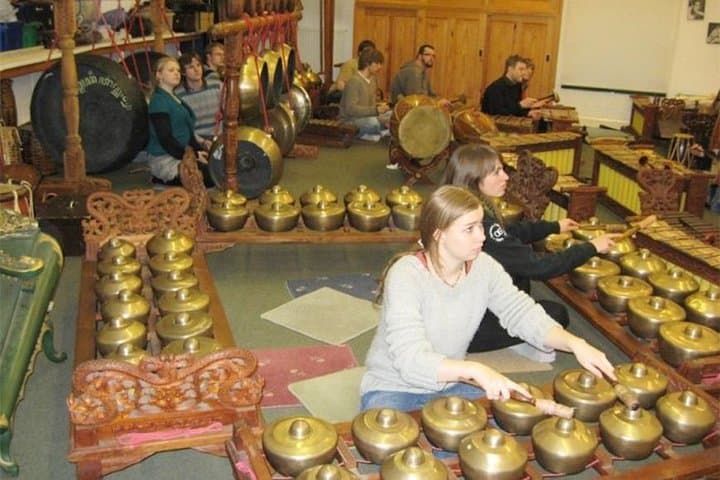
At Tembi Rumah Budaya expect a one-hour guided session: an introduction to instruments, basic rhythms, and a short ensemble piece where visitors take turns leading ostinatos. Guides will explain technique and etiquette—how to strike the bonang or mallet the saron—while pointing out the bronze’s maintenance and local craftsmanship.
Practical notes: arrive 10–15 minutes early, wear comfortable, quiet shoes and clothing that allows seated cross-legged posture. Photography is usually fine but ask before recording performances. Sessions suit all ages and fitness levels; bring water, and if you’re curious, pair the visit with a batik demonstration or a nearby market walk to hear how sound and craft interlock in everyday Yogyakarta life.
easy.
1 hour.
Suitable for all fitness levels; requires ability to sit for short periods and move light mallets.
No—sessions are designed for beginners; guides teach basic strikes and simple patterns so everyone can take part.
Tembi Rumah Budaya notes accessibility—confirm specifics with the operator before booking for any mobility needs.
Yes—families can attend; staff can offer age-appropriate instruction, but infants should not sit on laps during instrument handling.
Many cultural centers have small shops or can point you to local artisans selling gamelan-related crafts and batik—ask your guide for recommendations.
Gamelan ensembles evolved over centuries in Java, central to court ceremonies, shadow-puppet theater (wayang), and communal rites—each orchestra reflects regional tuning and social practice.
Support cultural preservation by following local etiquette, paying for guided sessions, and buying craftwork from local artisans to sustain traditional instrument-making.
JogjaTravels & Group operates guided outdoor trips and adventures with an emphasis on safety, stewardship, and memorable experiences.
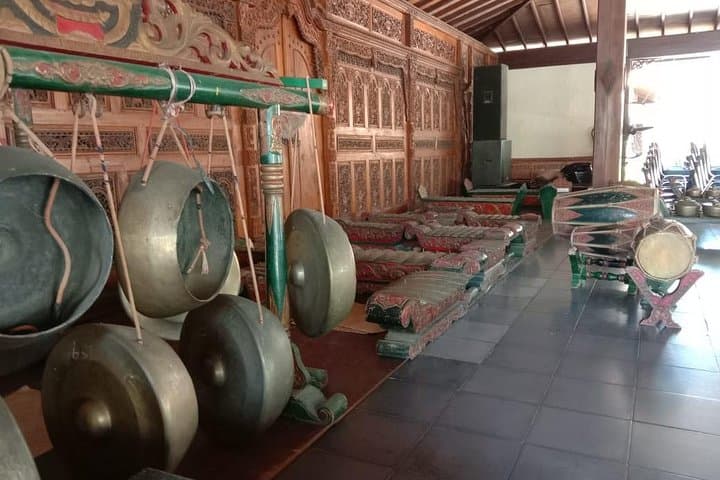
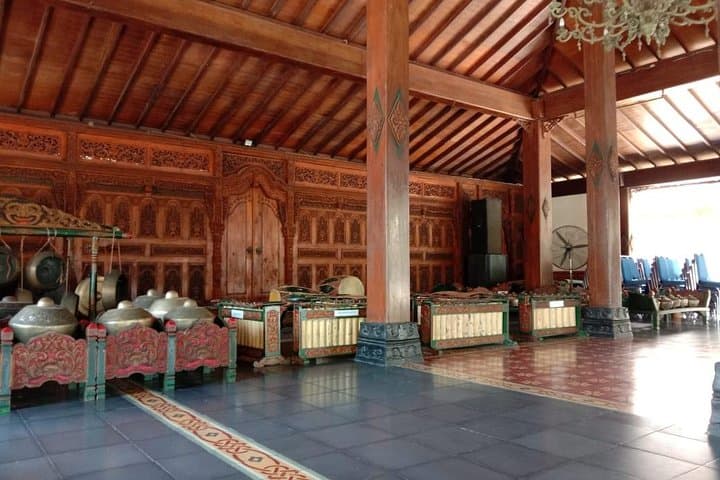
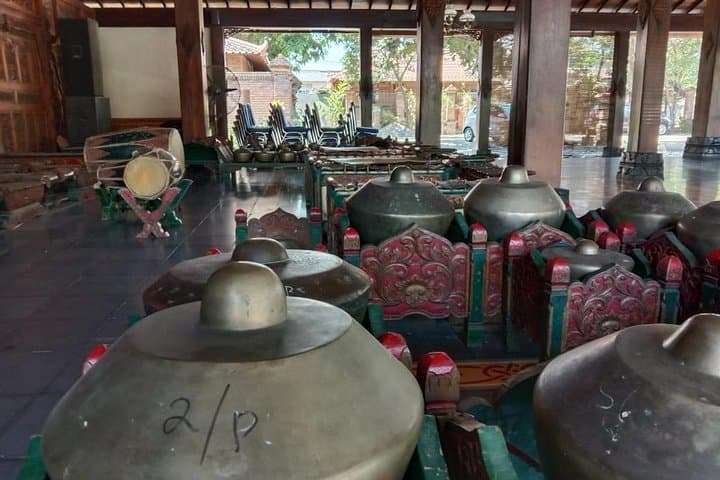
You step into a low-ceilinged pavilion and the bronze keys seem to breathe—metal voices waiting. A circle of gongs and metallophones surrounds you; each instrument has an identity, a timbre that will answer your touch. The first strike is deliberate and the group leans in, sound folding into the afternoon light.
You step into a low-ceilinged pavilion and the bronze keys seem to breathe—metal voices waiting. A circle of gongs and metallophones surrounds you; each instrument has an identity, a timbre that will answer your touch. The first strike is deliberate and the group leans in, sound folding into the afternoon light.
Gamelan is central to Javanese ritual and court culture: layered percussion ensembles that organized social life from village ceremonies to royal courts. The instruments are forged and tuned to specific scales—sléndro and pélog—and learning them provides a direct line into centuries of musical practice. The region itself sits on Java’s volcanic plain; far-off rumblings of Merapi shaped settlements and the cadence of rituals performed to mark planting, harvest, birth and death.
At Tembi Rumah Budaya expect a one-hour guided session: an introduction to instruments, basic rhythms, and a short ensemble piece where visitors take turns leading ostinatos. Guides will explain technique and etiquette—how to strike the bonang or mallet the saron—while pointing out the bronze’s maintenance and local craftsmanship.
Practical notes: arrive 10–15 minutes early, wear comfortable, quiet shoes and clothing that allows seated cross-legged posture. Photography is usually fine but ask before recording performances. Sessions suit all ages and fitness levels; bring water, and if you’re curious, pair the visit with a batik demonstration or a nearby market walk to hear how sound and craft interlock in everyday Yogyakarta life.