THE ADVENTURE COLLECTIVE® · Independent discovery and booking for outdoor travel

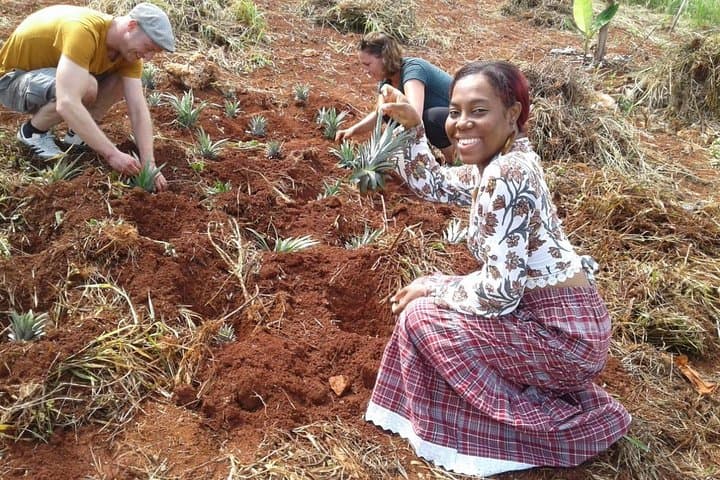
Spend an hour on a working Jamaican farm near Mandeville: sip a fresh smoothie, tour fruit trees, and try your hand at harvesting or planting. This intimate, guided visit mixes practical growing tips with local farming culture.
Spend an hour on a working Jamaican farm near Mandeville: sip a fresh smoothie, tour fruit trees, and try your hand at harvesting or planting. This intimate, guided visit mixes practical growing tips with local farming culture.
You arrive at Fruits Gallery in Mandeville with the heat pressing softly against your shoulders and the smell of fresh-cut mango in the air. After a smoothie or a cool coconut, the guide hustles you into a taxi and the town gives way to rolling green plots where callaloo and papaya stand at attention and pineapple crowns peek from the soil.
Verified experiences and guided adventures in the surrounding area.
Operated by Latoya Wakefield · Mandeville, Manchester Parish
You arrive at Fruits Gallery in Mandeville with the heat pressing softly against your shoulders and the smell of fresh-cut mango in the air. After a smoothie or a cool coconut, the guide hustles you into a taxi and the town gives way to rolling green plots where callaloo and papaya stand at attention and pineapple crowns peek from the soil.
This short, hands-on hour traces Jamaica’s agricultural roots: smallholder farms that sustained communities since colonial times and evolved through plantation break-up into diverse, family-run plots. Geologically, Manchester Parish sits on limestone and shale; the soils here are rich but well-draining, which favors tropical fruit and root crops. Farming culture in this region is practical and social — expect friendly banter, shared tips, and an invitation to try planting or harvesting.
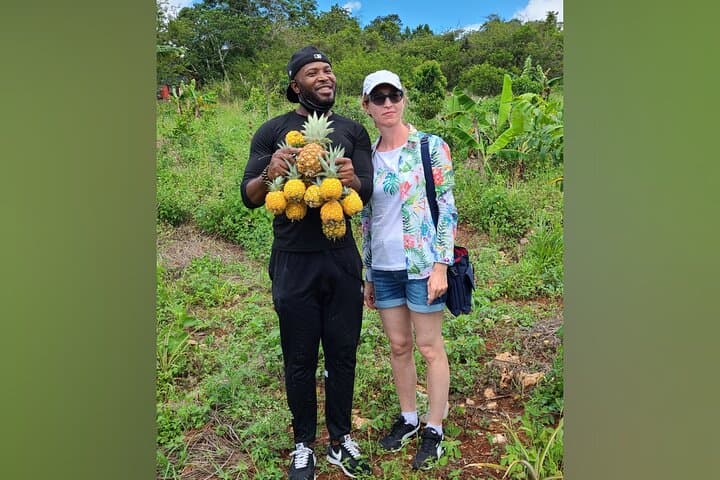
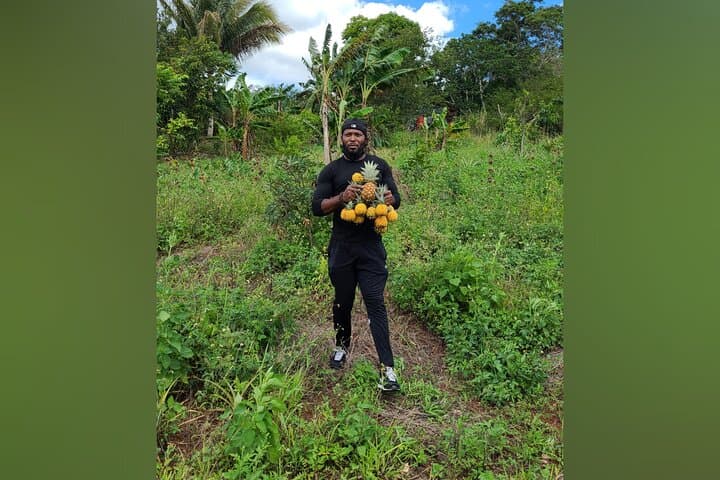
On the farm you’ll see planting beds, aromatic herb patches, and fruit trees that seem to lean in, offering shade and instruction. The guide demonstrates sustainable practices common locally — mulching, composting, and hand-tended irrigation — and you may be invited to pick ripe papaya, avocado, or pineapple if the season is right.
Practical notes: wear closed-toe shoes and sun protection, bring cash for extra fruit or tips, and plan for warm, humid conditions. The tour is short but active; it’s best for those who can walk unpaved paths and bend for planting. Leave enough time to ask questions — the hands-on tips you learn are the real takeaway: how to start a pot garden, how to judge ripe tropical fruit, and how small-scale practices keep soil alive.
moderate.
1 hour.
Moderate fitness: able to walk short uneven distances, bend and kneel briefly for planting tasks.
Yes — if the guide indicates produce is ripe and available for picking, you can usually take it; bring a small cooler or bag for transport.
The meeting point is Fruits Gallery in Mandeville and the group typically takes a short taxi to the farm; check pickup options when booking.
Families with older children who can walk and follow safety instructions are welcome; very young kids may find the terrain and tasks challenging.
The tour is not recommended for pregnant travelers or those with spinal or serious heart conditions due to bending and uneven terrain.
The region’s farms evolved from colonial estate patterns into smallholder agriculture; many practices reflect generations of local knowledge and adaptation to limestone-based soils.
Small-scale farms here often use low-input methods—composting and manual mulching—that reduce erosion and support soil health; visitors should avoid trampling beds and carry out any waste.
Latoya Wakefield operates guided outdoor trips and adventures with an emphasis on safety, stewardship, and memorable experiences.
You arrive at Fruits Gallery in Mandeville with the heat pressing softly against your shoulders and the smell of fresh-cut mango in the air. After a smoothie or a cool coconut, the guide hustles you into a taxi and the town gives way to rolling green plots where callaloo and papaya stand at attention and pineapple crowns peek from the soil.
You arrive at Fruits Gallery in Mandeville with the heat pressing softly against your shoulders and the smell of fresh-cut mango in the air. After a smoothie or a cool coconut, the guide hustles you into a taxi and the town gives way to rolling green plots where callaloo and papaya stand at attention and pineapple crowns peek from the soil.
This short, hands-on hour traces Jamaica’s agricultural roots: smallholder farms that sustained communities since colonial times and evolved through plantation break-up into diverse, family-run plots. Geologically, Manchester Parish sits on limestone and shale; the soils here are rich but well-draining, which favors tropical fruit and root crops. Farming culture in this region is practical and social — expect friendly banter, shared tips, and an invitation to try planting or harvesting.
On the farm you’ll see planting beds, aromatic herb patches, and fruit trees that seem to lean in, offering shade and instruction. The guide demonstrates sustainable practices common locally — mulching, composting, and hand-tended irrigation — and you may be invited to pick ripe papaya, avocado, or pineapple if the season is right.
Practical notes: wear closed-toe shoes and sun protection, bring cash for extra fruit or tips, and plan for warm, humid conditions. The tour is short but active; it’s best for those who can walk unpaved paths and bend for planting. Leave enough time to ask questions — the hands-on tips you learn are the real takeaway: how to start a pot garden, how to judge ripe tropical fruit, and how small-scale practices keep soil alive.