THE ADVENTURE COLLECTIVE® · Independent discovery and booking for outdoor travel

Learn to make semolina-and-egg pasta by hand in this two-hour, beginner-friendly Baltimore class. Guided by a local chef in an accessible brewery venue, you’ll knead, roll, cut and plate a creamy Alfredo you cooked yourself.
Learn to make semolina-and-egg pasta by hand in this two-hour, beginner-friendly Baltimore class. Guided by a local chef in an accessible brewery venue, you’ll knead, roll, cut and plate a creamy Alfredo you cooked yourself.
You step into a bright workshop inside a local brewery-turned-classroom: long wooden tables dusted with semolina, a row of copper pots simmering in the background, and a chef who talks dough like a craftsman. The room smells of warm eggs and flour; your hands are given a task that will change their rhythm for the next two hours.
Verified experiences and guided adventures in the surrounding area.
Operated by Classpop! · Baltimore, Maryland
You step into a bright workshop inside a local brewery-turned-classroom: long wooden tables dusted with semolina, a row of copper pots simmering in the background, and a chef who talks dough like a craftsman. The room smells of warm eggs and flour; your hands are given a task that will change their rhythm for the next two hours.
Baltimore’s food story threads through this class. Italian immigrants shaped the city’s Little Italy in the late 19th and early 20th centuries, and their techniques—simple wheat, eggs, careful kneading—survive in every strand of fresh pasta. Geology and geography play a subtle role: the Chesapeake Bay’s flat coastal plain made grain and seafood staples accessible, and the regional palate leans toward fresh, straightforward ingredients.
Expect a step-by-step primer: mixing semolina and eggs, resting and rolling dough, cutting shapes, then finishing with a creamy Alfredo made from cream, butter, garlic and Parmesan. The pace is beginner-friendly; the focus is technique and a plated meal you eat at the end.
Practical guidance: arrive 10–15 minutes early to get set up; disclose allergies when you book; wear closed-toe shoes and roll up sleeves. The venue is wheelchair accessible and can often accommodate dietary requests if noted in advance. Take notes and photos after you ask the chef—technique is the takeaway, not just a recipe. Whether you’re on a solo outing or a small group night out, this two-hour hands-on session pairs tangible skill-building with Baltimore’s approachable food culture.
easy.
2 hours.
Minimal physical fitness required; you’ll stand and use light hand strength for kneading.
No—this beginner-focused class teaches fundamentals from mixing to cutting and plating, with hands-on guidance throughout.
Yes—according to the listing, all ingredients and cooking tools are supplied and a full meal you prepare is included.
The operator states they can accommodate a variety of dietary needs if you inform them in advance via booking questions.
Yes—the class location is listed as wheelchair accessible, with accessible surfaces and transportation options.
Baltimore’s Little Italy grew from late 19th-century Italian immigration; the city’s European and Chesapeake influences shape its pasta and sauce traditions.
Look for chefs who source local dairy and sustainably caught seafood; minimizing food waste and recycling packaging are common practices at neighborhood venues.
Classpop! operates guided outdoor trips and adventures with an emphasis on safety, stewardship, and memorable experiences.
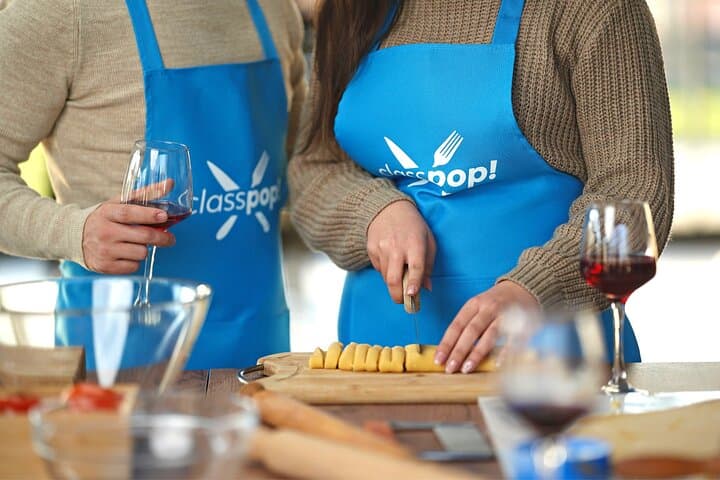
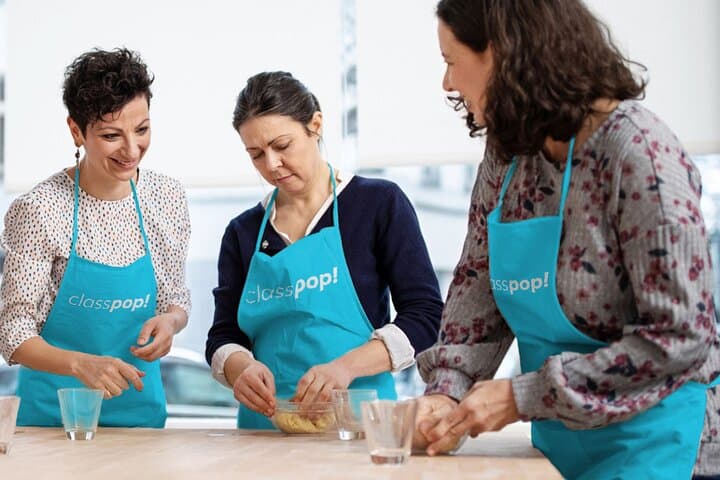
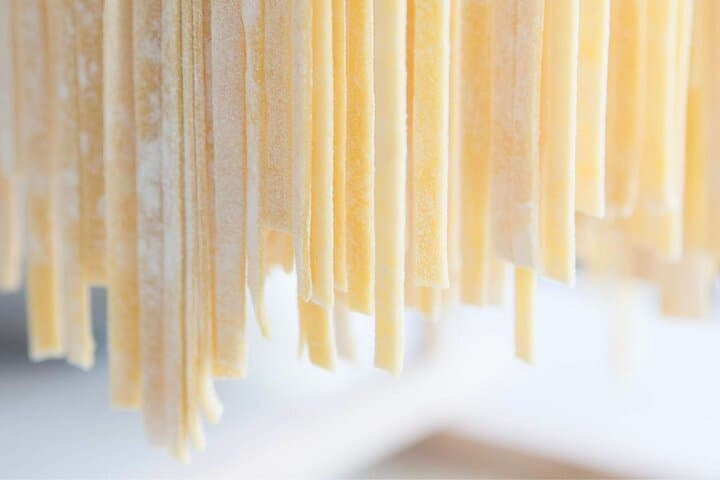
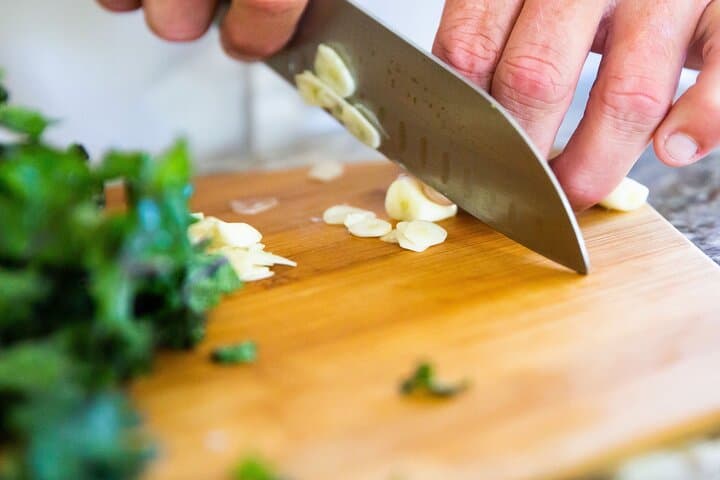
You step into a bright workshop inside a local brewery-turned-classroom: long wooden tables dusted with semolina, a row of copper pots simmering in the background, and a chef who talks dough like a craftsman. The room smells of warm eggs and flour; your hands are given a task that will change their rhythm for the next two hours.
You step into a bright workshop inside a local brewery-turned-classroom: long wooden tables dusted with semolina, a row of copper pots simmering in the background, and a chef who talks dough like a craftsman. The room smells of warm eggs and flour; your hands are given a task that will change their rhythm for the next two hours.
Baltimore’s food story threads through this class. Italian immigrants shaped the city’s Little Italy in the late 19th and early 20th centuries, and their techniques—simple wheat, eggs, careful kneading—survive in every strand of fresh pasta. Geology and geography play a subtle role: the Chesapeake Bay’s flat coastal plain made grain and seafood staples accessible, and the regional palate leans toward fresh, straightforward ingredients.
Expect a step-by-step primer: mixing semolina and eggs, resting and rolling dough, cutting shapes, then finishing with a creamy Alfredo made from cream, butter, garlic and Parmesan. The pace is beginner-friendly; the focus is technique and a plated meal you eat at the end.
Practical guidance: arrive 10–15 minutes early to get set up; disclose allergies when you book; wear closed-toe shoes and roll up sleeves. The venue is wheelchair accessible and can often accommodate dietary requests if noted in advance. Take notes and photos after you ask the chef—technique is the takeaway, not just a recipe. Whether you’re on a solo outing or a small group night out, this two-hour hands-on session pairs tangible skill-building with Baltimore’s approachable food culture.