THE ADVENTURE COLLECTIVE® · Independent discovery and booking for outdoor travel

Learn to stretch mozzarella, shape ravioli and finish with a classic tiramisu in a hands-on downtown NYC cooking class. Practical techniques, a communal dinner and clear instruction make this a compact, skill-forward evening.
Learn to stretch mozzarella, shape ravioli and finish with a classic tiramisu in a hands-on downtown NYC cooking class. Practical techniques, a communal dinner and clear instruction make this a compact, skill-forward evening.
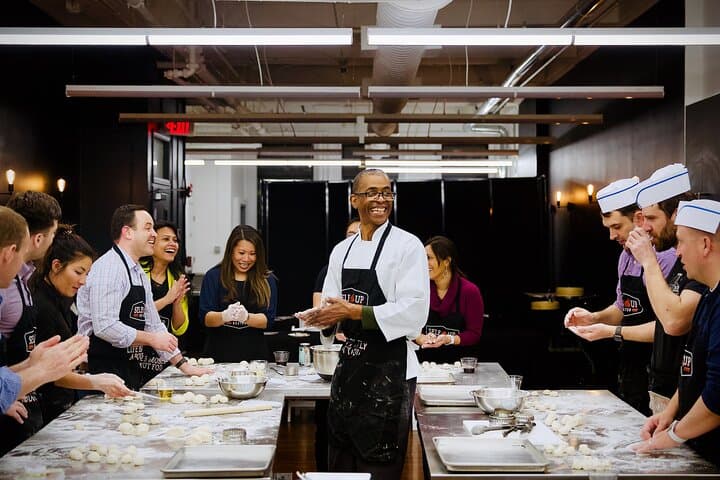
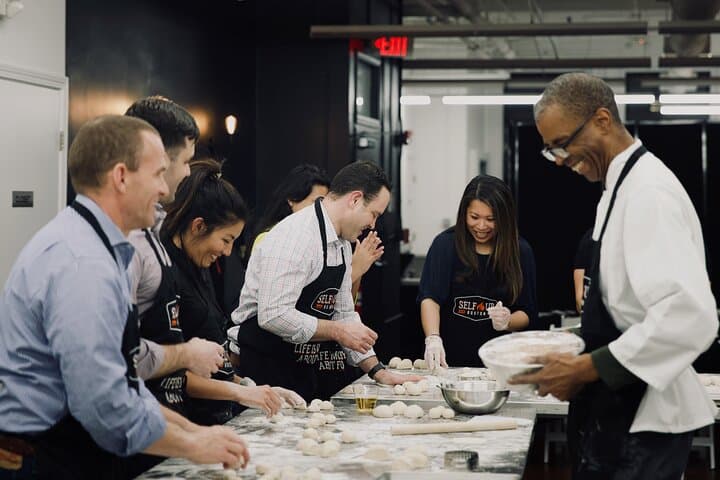
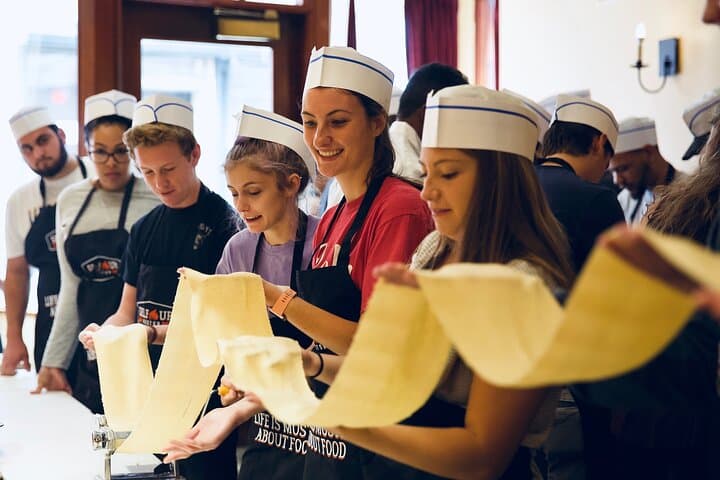
Step inside a compact downtown kitchen where the heady scent of tomato and toasted coffee fills the air and a small group huddles around stainless-steel prep stations. The lights hum; a buzzer at 16 Beaver Street clicks open the glass door and the class begins with a quick reception of light snacks. The rhythm of the evening is practical: knife technique, dough handling, and timing—then a sit-down dinner to taste the results.
Verified experiences and guided adventures in the surrounding area.
Operated by Selfup · New York, New York
Step inside a compact downtown kitchen where the heady scent of tomato and toasted coffee fills the air and a small group huddles around stainless-steel prep stations. The lights hum; a buzzer at 16 Beaver Street clicks open the glass door and the class begins with a quick reception of light snacks. The rhythm of the evening is practical: knife technique, dough handling, and timing—then a sit-down dinner to taste the results.
This stretch of lower Manhattan grew out of 17th-century Dutch and early American trade; the stone beneath your feet is Manhattan schist, and the nearby waterfront shaped the city’s culinary crossroads. The menu leans classical—hand-stretched mozzarella, filled ravioli, fettuccine in marinara, chicken Marsala—and finishes with a tactile tiramisu that teaches layering, tempering and patience.
Culturally the class reflects New York’s immigrant food heritage: Italian techniques adapted to local produce and busy schedules. Expect hands-on stations, instructor demonstrations, and communal plating. Practicalities matter: many steps require standing, close knife work, and precise timing, so arrive ready to move.
Plan to use public transit; the venue is wheelchair accessible but has a buzzer-entry procedure. Bring dietary notes in advance if you have allergies. The experience is as much about learning a few repeatable techniques—fresh pasta basics, balancing acidity in sauce—as it is about the meal at the end. Leave with recipes, a clearer sense of timing, and a dessert you can recreate at home.
easy.
3 hours.
Light—requires standing and moving for the full session; no special fitness level needed
Yes—organizers request dietary restrictions in advance; notify them when booking so they can adjust ingredients or offer alternatives.
Yes—the listing notes wheelchair accessibility, though entry requires using a buzzer for staff to admit guests.
Most venues supply basic equipment and aprons; bringing a personal apron or tools is optional for comfort or hygiene preferences.
This particular experience is sold as all sales final, so refunds are not available; confirm availability and restrictions before booking.
Beaver Street sits in Manhattan’s Financial District; its street pattern and commerce grew from Dutch colonial trade and the nearby East River waterfront in the 17th–19th centuries.
Many NYC food venues emphasize waste reduction and local sourcing; ask your host about composting and sourcing to support sustainable dining practices.
Selfup operates guided outdoor trips and adventures with an emphasis on safety, stewardship, and memorable experiences.

Step inside a compact downtown kitchen where the heady scent of tomato and toasted coffee fills the air and a small group huddles around stainless-steel prep stations. The lights hum; a buzzer at 16 Beaver Street clicks open the glass door and the class begins with a quick reception of light snacks. The rhythm of the evening is practical: knife technique, dough handling, and timing—then a sit-down dinner to taste the results.
Step inside a compact downtown kitchen where the heady scent of tomato and toasted coffee fills the air and a small group huddles around stainless-steel prep stations. The lights hum; a buzzer at 16 Beaver Street clicks open the glass door and the class begins with a quick reception of light snacks. The rhythm of the evening is practical: knife technique, dough handling, and timing—then a sit-down dinner to taste the results.
This stretch of lower Manhattan grew out of 17th-century Dutch and early American trade; the stone beneath your feet is Manhattan schist, and the nearby waterfront shaped the city’s culinary crossroads. The menu leans classical—hand-stretched mozzarella, filled ravioli, fettuccine in marinara, chicken Marsala—and finishes with a tactile tiramisu that teaches layering, tempering and patience.
Culturally the class reflects New York’s immigrant food heritage: Italian techniques adapted to local produce and busy schedules. Expect hands-on stations, instructor demonstrations, and communal plating. Practicalities matter: many steps require standing, close knife work, and precise timing, so arrive ready to move.
Plan to use public transit; the venue is wheelchair accessible but has a buzzer-entry procedure. Bring dietary notes in advance if you have allergies. The experience is as much about learning a few repeatable techniques—fresh pasta basics, balancing acidity in sauce—as it is about the meal at the end. Leave with recipes, a clearer sense of timing, and a dessert you can recreate at home.