THE ADVENTURE COLLECTIVE® · Independent discovery and booking for outdoor travel

Spend 30–60 minutes on a rustic patio garden feeding hummingbirds and watching finches at close range. This informal, cash-only sanctuary in Montego Bay offers hands-on interaction and easy access for most travelers.
Spend 30–60 minutes on a rustic patio garden feeding hummingbirds and watching finches at close range. This informal, cash-only sanctuary in Montego Bay offers hands-on interaction and easy access for most travelers.
You step off the shaded patio into a garden that moves — tiny bodies flash and hover, tongues darting to sugar-water as if dared by the breeze.
Verified experiences and guided adventures in the surrounding area.
Operated by Irie Travel and Tours · Montego Bay, St. James
You step off the shaded patio into a garden that moves — tiny bodies flash and hover, tongues darting to sugar-water as if dared by the breeze.
At the Montego Bay Bird Sanctuary the experience is immediate and intimate: feeders hang from eaves, and a small, relaxed cottage garden becomes the stage for close encounters with hummingbirds and local finches. The place has been run for decades by a family who keeps the atmosphere casual; guests show up, pay a modest fee, and learn how to attract and hand-feed the birds.
Jamaica’s northern coast is built of limestone terraces and gentle ridgelines; the sanctuary sits in that geologic context where garden plantings, morning sun, and a reliable supply of nectar create a microhabitat for nectarivores. Culturally, feeding hummingbirds is part nature study, part local hospitality — owners Fritz and Kimani often explain species behavior and encourage photography from the patio.
Practically, visits are short and accessible: expect 30–60 minutes on flat ground with minimal walking. Cash-only entry and a relaxed schedule make this a simple add-on to a day in Montego Bay.
Plan for bright light and quick shutter speeds if you’re photographing, bring a lightweight layer for coastal breezes, and respect the birds’ space — move slowly, keep noise low, and follow host directions for feeding.
This is a low-effort, high-reward stop for travelers who want a close, educational glimpse of Jamaica’s small wild residents without a long hike or specialized gear.
easy.
30–60 minutes.
Minimal walking and standing; suitable for most fitness levels including families and older visitors
No reservation is required for this small, first-come sanctuary — you can usually just show up during open hours.
Most visits last 30–60 minutes, enough time to feed birds, take photos, and talk with the hosts.
Yes — the site is family-friendly; infants should sit on laps and children should be supervised around feeders.
Photography is encouraged but avoid using flash near the birds; natural light and fast shutter settings yield the best results.
This small, family-run sanctuary reflects decades of local hospitality and informal conservation, offering hands-on bird interaction that grew from home garden practices.
The sanctuary demonstrates low-impact wildlife tourism: feeding stations support birds without disrupting native foraging, and visitors are asked to follow simple hygiene and handling guidelines to minimize stress on wildlife.
Irie Travel and Tours operates guided outdoor trips and adventures with an emphasis on safety, stewardship, and memorable experiences.
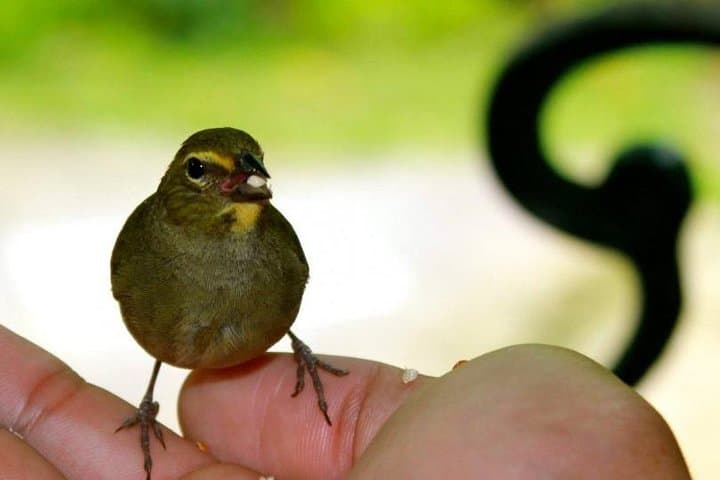
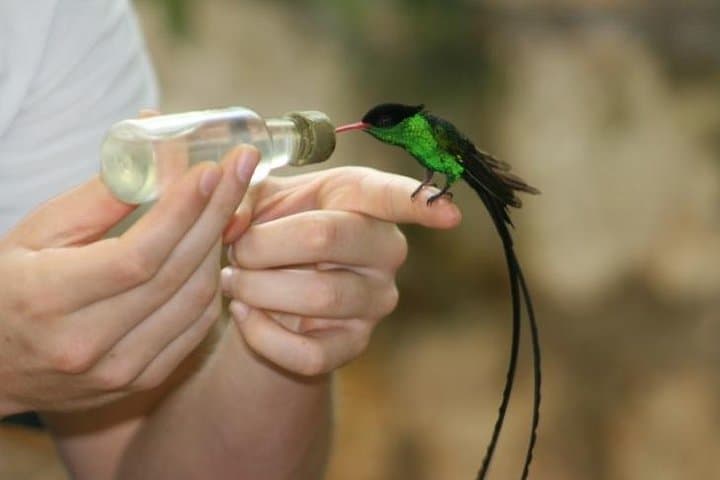
You step off the shaded patio into a garden that moves — tiny bodies flash and hover, tongues darting to sugar-water as if dared by the breeze.
You step off the shaded patio into a garden that moves — tiny bodies flash and hover, tongues darting to sugar-water as if dared by the breeze.
At the Montego Bay Bird Sanctuary the experience is immediate and intimate: feeders hang from eaves, and a small, relaxed cottage garden becomes the stage for close encounters with hummingbirds and local finches. The place has been run for decades by a family who keeps the atmosphere casual; guests show up, pay a modest fee, and learn how to attract and hand-feed the birds.
Jamaica’s northern coast is built of limestone terraces and gentle ridgelines; the sanctuary sits in that geologic context where garden plantings, morning sun, and a reliable supply of nectar create a microhabitat for nectarivores. Culturally, feeding hummingbirds is part nature study, part local hospitality — owners Fritz and Kimani often explain species behavior and encourage photography from the patio.
Practically, visits are short and accessible: expect 30–60 minutes on flat ground with minimal walking. Cash-only entry and a relaxed schedule make this a simple add-on to a day in Montego Bay.
Plan for bright light and quick shutter speeds if you’re photographing, bring a lightweight layer for coastal breezes, and respect the birds’ space — move slowly, keep noise low, and follow host directions for feeding.
This is a low-effort, high-reward stop for travelers who want a close, educational glimpse of Jamaica’s small wild residents without a long hike or specialized gear.