THE ADVENTURE COLLECTIVE® · Independent discovery and booking for outdoor travel

Spend a day outside Tokyo trading city streets for clear mountain ponds, a red pagoda overlook and a hands-on hoto noodle class in Yamanashi. This private day tour pairs Mt. Fuji viewpoints with regional cooking for a practical, sensory introduction to the area.
Spend a day outside Tokyo trading city streets for clear mountain ponds, a red pagoda overlook and a hands-on hoto noodle class in Yamanashi. This private day tour pairs Mt. Fuji viewpoints with regional cooking for a practical, sensory introduction to the area.
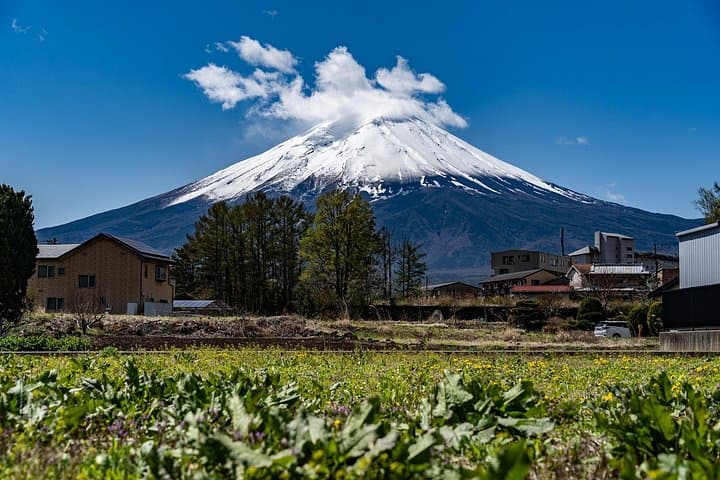
The day opens on a bus as Tokyo recedes and Mount Fuji grows, a quiet giant that will decide whether it shows its face. You arrive first at Oshino Hakkai, where eight clear ponds collect snowmelt filtered through volcanic rock; the water is so transparent it reads every pebble on the bottom, and the ponds reflect the mountain like a patient witness.
Verified experiences and guided adventures in the surrounding area.
Operated by MY Travel Consulting · Fujiyoshida, Yamanashi Prefecture
The day opens on a bus as Tokyo recedes and Mount Fuji grows, a quiet giant that will decide whether it shows its face. You arrive first at Oshino Hakkai, where eight clear ponds collect snowmelt filtered through volcanic rock; the water is so transparent it reads every pebble on the bottom, and the ponds reflect the mountain like a patient witness.
From there the tour moves to Arakurayama Sengen Park. Climbing the steps to the Chureito Pagoda, you get a frame: a red pagoda in the foreground, Fuji in the distance—a composition repeated in postcards but still compelling in person, especially during cherry blossom season.
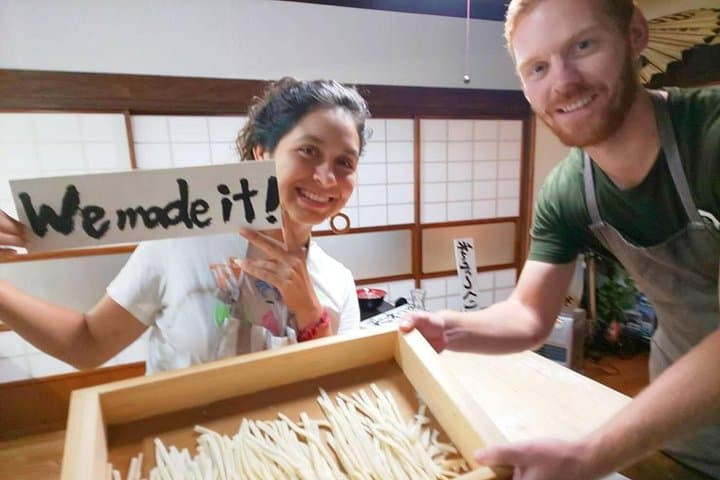
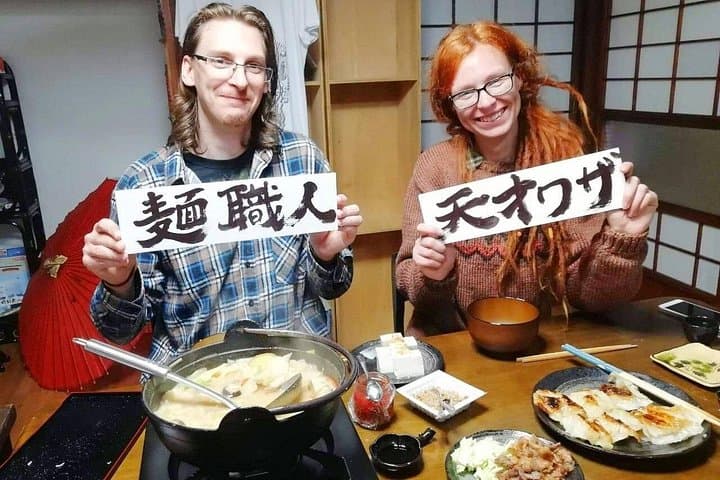
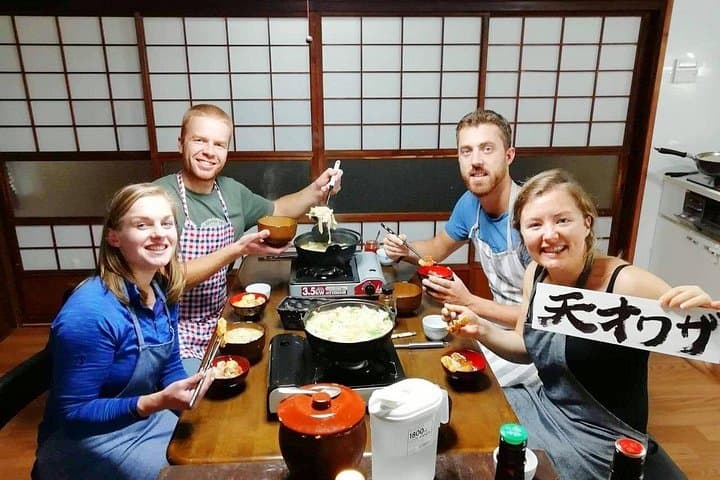
The second half centers on food and craft. In a small Yamanashi kitchen you make hoto from flour to pot: hand-rolled noodles, simmered with local vegetables in a miso-forward broth. The process is tactile and communal; instructors explain regional variations and accommodate dietary restrictions.
Geology and culture interweave—the mountain’s volcanic history created the porous lava that feeds Oshino Hakkai, while nearby shrines recall centuries of reverence for Fuji in Shinto practice. Expect easy walking, several short climbs, and weather-dependent visibility; operators often adjust the route for clouds.
Practical notes: the full-day itinerary runs about nine hours, includes hotel pickup and private transport, and requires moderate fitness. Bring layered clothing, cash for souvenirs, a camera with a zoom, and patience—Fuji may hide, but the food and local water are reliably memorable.
moderate.
9 hours (full day).
Moderate fitness for short climbs, standing during the cooking class, and 2–4 miles of walking overall
The tour is approximately nine hours and includes hotel pickup, private transportation, a licensed guide, and the cooking class with lunch.
Visibility depends on weather and season; guides will reroute or adjust viewpoints if Fuji is obscured by clouds.
Yes—operators offer wheat-free, soy-free, and vegan options with advance notice during booking.
Yes, it’s family-friendly with stroller access noted, but participants should have moderate mobility for steps and standing during the class.
Mount Fuji’s eruptions shaped local livelihoods for centuries; shrines like Arakura Fuji Sengen reflect long-standing Shinto reverence for the mountain as sacred.
Oshino Hakkai’s ponds rely on protected aquifer recharge from Mount Fuji; visitors are asked to avoid littering and stick to paths to preserve water quality.
MY Travel Consulting operates guided outdoor trips and adventures with an emphasis on safety, stewardship, and memorable experiences.
The day opens on a bus as Tokyo recedes and Mount Fuji grows, a quiet giant that will decide whether it shows its face. You arrive first at Oshino Hakkai, where eight clear ponds collect snowmelt filtered through volcanic rock; the water is so transparent it reads every pebble on the bottom, and the ponds reflect the mountain like a patient witness.
The day opens on a bus as Tokyo recedes and Mount Fuji grows, a quiet giant that will decide whether it shows its face. You arrive first at Oshino Hakkai, where eight clear ponds collect snowmelt filtered through volcanic rock; the water is so transparent it reads every pebble on the bottom, and the ponds reflect the mountain like a patient witness.
From there the tour moves to Arakurayama Sengen Park. Climbing the steps to the Chureito Pagoda, you get a frame: a red pagoda in the foreground, Fuji in the distance—a composition repeated in postcards but still compelling in person, especially during cherry blossom season.
The second half centers on food and craft. In a small Yamanashi kitchen you make hoto from flour to pot: hand-rolled noodles, simmered with local vegetables in a miso-forward broth. The process is tactile and communal; instructors explain regional variations and accommodate dietary restrictions.
Geology and culture interweave—the mountain’s volcanic history created the porous lava that feeds Oshino Hakkai, while nearby shrines recall centuries of reverence for Fuji in Shinto practice. Expect easy walking, several short climbs, and weather-dependent visibility; operators often adjust the route for clouds.
Practical notes: the full-day itinerary runs about nine hours, includes hotel pickup and private transport, and requires moderate fitness. Bring layered clothing, cash for souvenirs, a camera with a zoom, and patience—Fuji may hide, but the food and local water are reliably memorable.