THE ADVENTURE COLLECTIVE® · Independent discovery and booking for outdoor travel

Get hands-on with native hapuu tree ferns in a two-hour guided session on Hawai‘i Island. Plant live specimens, harvest fern fiber for substrate, and end the visit with fresh citrus tea brewed from on-site leaves.
Get hands-on with native hapuu tree ferns in a two-hour guided session on Hawai‘i Island. Plant live specimens, harvest fern fiber for substrate, and end the visit with fresh citrus tea brewed from on-site leaves.
You step off a shaded track and the world shifts: broad fronded hapuu ferns tower like living umbrellas, their fuzzy trunks holding centuries of organic matter. Moist air hangs heavy with citrus oil and damp earth; the guide hands you a trowel and points to a cleared bed where you’ll plant a live hapuu under a canopy that has shaped local life for generations.
Verified experiences and guided adventures in the surrounding area.
Operated by Paradise Unplugged · Hilo, Hawaii
You step off a shaded track and the world shifts: broad fronded hapuu ferns tower like living umbrellas, their fuzzy trunks holding centuries of organic matter. Moist air hangs heavy with citrus oil and damp earth; the guide hands you a trowel and points to a cleared bed where you’ll plant a live hapuu under a canopy that has shaped local life for generations.
Hapuu (Cibotium spp.) are native tree ferns whose fibrous trunks once supplied material for traditional Hawaiian kapa and thatching. The volcanic soils and frequent trade winds of east Hawai‘i create the humid, nutrient-rich conditions these ferns prefer. Culturally, ferns appear in chants and hula, and modern stewards on private land combine traditional knowledge with horticultural techniques to propagate healthy stock.
The experience blends demonstration and hands-on planting: learn to prepare substrate using harvested fern fiber, examine the inner trunk structure, and practice spacing and mulching techniques that reduce transplant shock. Finish seated on a rain-soaked log sipping citrus tea brewed from locally harvested orange leaves — a simple connector to the place you’ve been working in.
Practical guidance: wear waterproof shoes and quick-dry clothing; expect muddy paths and uneven ground. The session runs about two hours and is suitable for all fitness levels but involves kneeling and light digging. Bring insect repellent, a small towel, and a water bottle. If you’re planning photography, protect gear from humidity. The activity supports sustainable propagation and offers a close look at a plant-to-practice conservation model in Hawaii’s living rainforest.
easy.
2 hours.
Suitable for most fitness levels; requires light digging, kneeling, and walking on uneven ground.
The two-hour session is labeled easy; it involves light digging, kneeling, and standing but no sustained hiking or heavy lifting.
Families are welcome; children should be supervised and able to follow safety instructions around tools and plants.
The program focuses on hands-on planting and a rainforest gift; local regulations may restrict transporting live native plants off the island.
The offering is a herbal infusion made from orange tree leaves and is typically low to non-caffeinated, served hot or warm.
Hapuu were historically used by Hawaiian communities for materials and are integrated into cultural practices; contemporary growers combine these traditions with modern propagation methods.
Small-scale propagation activities support genetic diversity and reduce pressure on wild specimens; visitors are asked not to remove plant material from the site.
Paradise Unplugged operates guided outdoor trips and adventures with an emphasis on safety, stewardship, and memorable experiences.
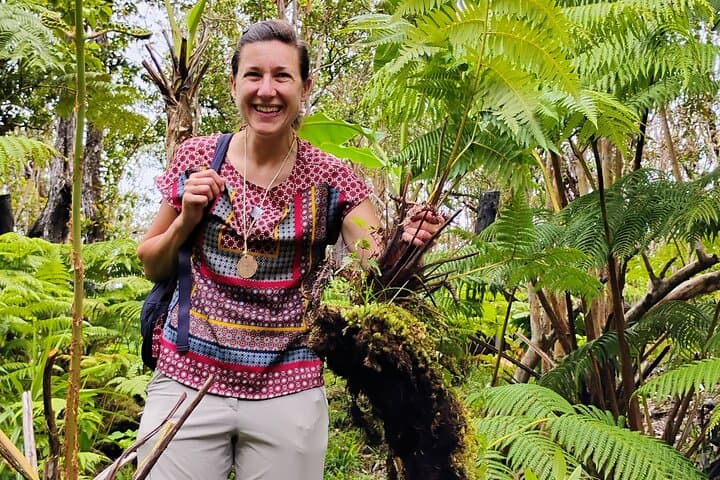
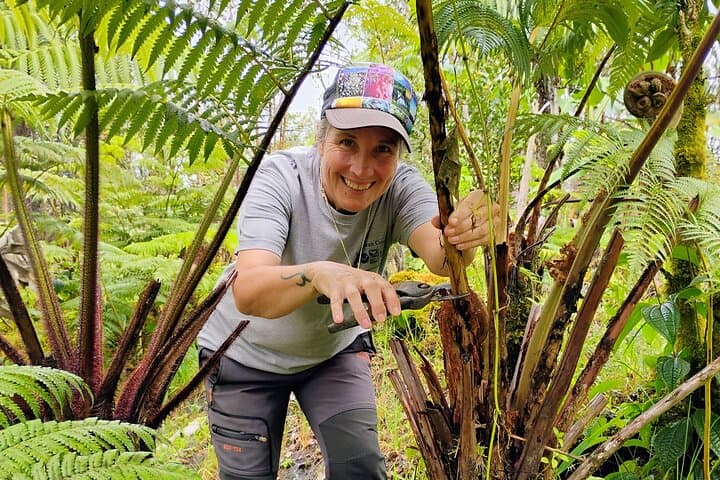
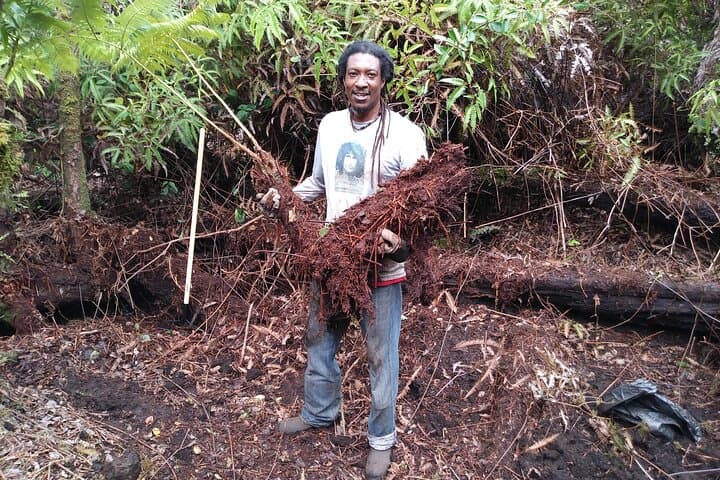
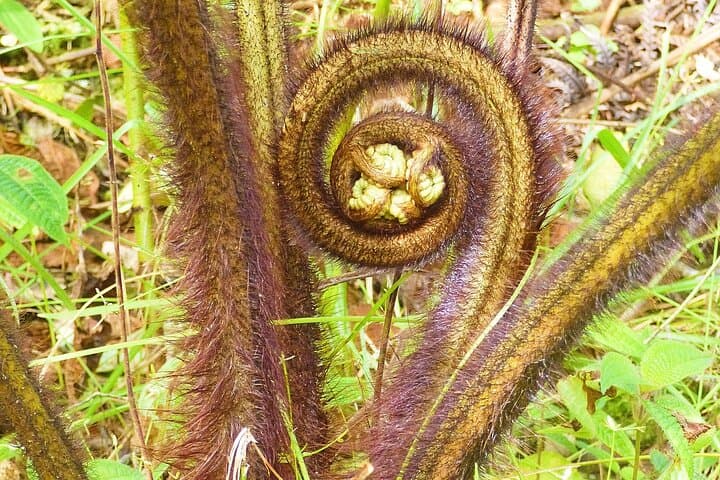
You step off a shaded track and the world shifts: broad fronded hapuu ferns tower like living umbrellas, their fuzzy trunks holding centuries of organic matter. Moist air hangs heavy with citrus oil and damp earth; the guide hands you a trowel and points to a cleared bed where you’ll plant a live hapuu under a canopy that has shaped local life for generations.
You step off a shaded track and the world shifts: broad fronded hapuu ferns tower like living umbrellas, their fuzzy trunks holding centuries of organic matter. Moist air hangs heavy with citrus oil and damp earth; the guide hands you a trowel and points to a cleared bed where you’ll plant a live hapuu under a canopy that has shaped local life for generations.
Hapuu (Cibotium spp.) are native tree ferns whose fibrous trunks once supplied material for traditional Hawaiian kapa and thatching. The volcanic soils and frequent trade winds of east Hawai‘i create the humid, nutrient-rich conditions these ferns prefer. Culturally, ferns appear in chants and hula, and modern stewards on private land combine traditional knowledge with horticultural techniques to propagate healthy stock.
The experience blends demonstration and hands-on planting: learn to prepare substrate using harvested fern fiber, examine the inner trunk structure, and practice spacing and mulching techniques that reduce transplant shock. Finish seated on a rain-soaked log sipping citrus tea brewed from locally harvested orange leaves — a simple connector to the place you’ve been working in.
Practical guidance: wear waterproof shoes and quick-dry clothing; expect muddy paths and uneven ground. The session runs about two hours and is suitable for all fitness levels but involves kneeling and light digging. Bring insect repellent, a small towel, and a water bottle. If you’re planning photography, protect gear from humidity. The activity supports sustainable propagation and offers a close look at a plant-to-practice conservation model in Hawaii’s living rainforest.