THE ADVENTURE COLLECTIVE® · Independent discovery and booking for outdoor travel

Learn to make classic Haitian stews, spice blends, and a home-style starch in a hands-on Fort Lauderdale cooking class. In four hours you’ll chop, season, taste, and share authentic recipes while learning the cultural context behind each dish.
Learn to make classic Haitian stews, spice blends, and a home-style starch in a hands-on Fort Lauderdale cooking class. In four hours you’ll chop, season, taste, and share authentic recipes while learning the cultural context behind each dish.
Steam and citrus scent the air as students gather around stainless steel worktables in a bright Fort Lauderdale kitchen. Knives chatter, peppers crackle in hot oil, and an instructor walks the room with practiced calm, guiding hands through sofrito, epis, and the slow-simmered stews that define Haitian home cooking.
Verified experiences and guided adventures in the surrounding area.
Operated by Tenza · Fort Lauderdale, Florida
Steam and citrus scent the air as students gather around stainless steel worktables in a bright Fort Lauderdale kitchen. Knives chatter, peppers crackle in hot oil, and an instructor walks the room with practiced calm, guiding hands through sofrito, epis, and the slow-simmered stews that define Haitian home cooking.
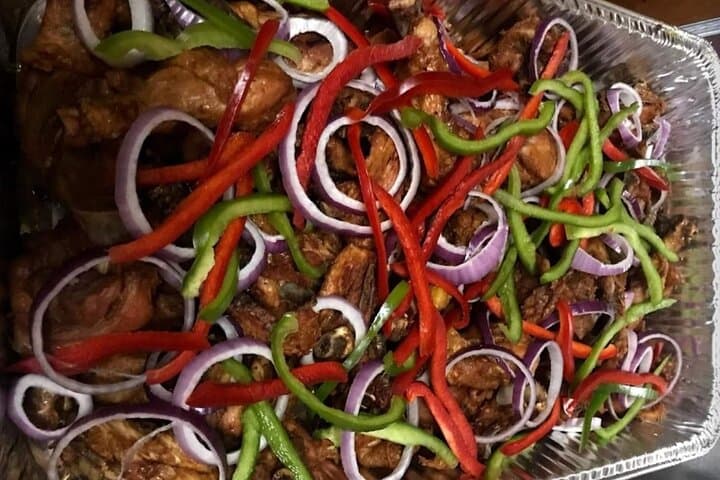
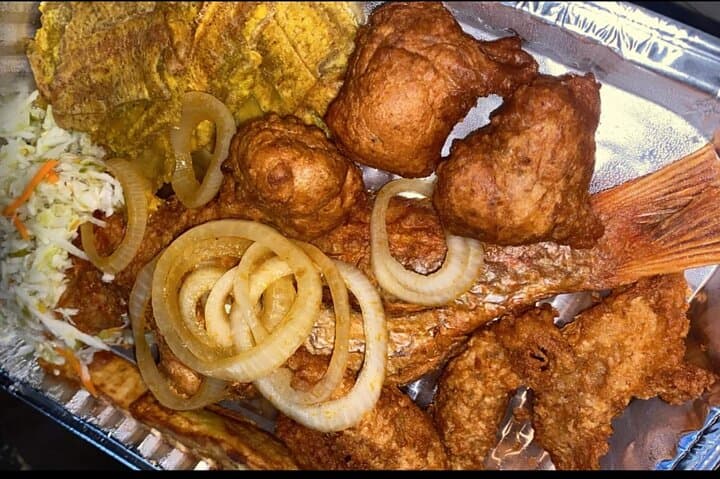
Haitian food in South Florida is an immigrant story written in spices: cloves, Scotch bonnet, and the garlicky green paste called epis that drives flavor. The island’s culinary lineage mixes West African, French, and indigenous Taíno techniques, and in Fort Lauderdale those traditions arrive fresh — fish from nearby coasts, citrus from regional groves, and market-sourced produce.
Participants can expect a hands-on, four-hour workshop that covers mise en place, traditional spice blends, at least one main stew or braise, a starch (like rice or diri kole ak pwa), and a simple dessert. The format is educational and social: slicing, tasting, and sharing the plate at the end. Local culture appears in stories about migration, weekly wet markets, and how food keeps community rhythms alive.
Practical notes: allow four hours, arrive with dietary needs flagged in advance, and wear closed-toe shoes and a light apron. Public transit and street parking are common near central Fort Lauderdale meeting points. Bring a reusable bottle and a small cooler if you plan to take food home. For first-timers the pace is approachable; for cooks, techniques like braising temperature and spice balancing are useful takeaways. This class is a grounded, sensory way to learn Haitian cuisine and the community ties that flavor it.
easy.
4 hours.
Light physical activity: standing, chopping, stirring; suitable for most people without mobility limits
No—classes are designed for beginners and home cooks; instructors demonstrate techniques and guide you step by step.
Yes—most classes let you eat what you make and send portions home; bring a small cooler if you plan to transport perishables.
Bottled water and soda are typically included; check the listing if you want alcohol or specialty drinks.
Inform the host at booking and again on arrival so they can accommodate or suggest safe recipe substitutions.
Haitian culinary traditions in South Florida reflect waves of migration since the mid-20th century, bringing island techniques and community foodways to regional markets and home kitchens.
Many local cooks prioritize using local seafood and seasonal produce; guests are encouraged to minimize single-use plastics and take leftovers responsibly.
Tenza operates guided outdoor trips and adventures with an emphasis on safety, stewardship, and memorable experiences.
Steam and citrus scent the air as students gather around stainless steel worktables in a bright Fort Lauderdale kitchen. Knives chatter, peppers crackle in hot oil, and an instructor walks the room with practiced calm, guiding hands through sofrito, epis, and the slow-simmered stews that define Haitian home cooking.
Steam and citrus scent the air as students gather around stainless steel worktables in a bright Fort Lauderdale kitchen. Knives chatter, peppers crackle in hot oil, and an instructor walks the room with practiced calm, guiding hands through sofrito, epis, and the slow-simmered stews that define Haitian home cooking.
Haitian food in South Florida is an immigrant story written in spices: cloves, Scotch bonnet, and the garlicky green paste called epis that drives flavor. The island’s culinary lineage mixes West African, French, and indigenous Taíno techniques, and in Fort Lauderdale those traditions arrive fresh — fish from nearby coasts, citrus from regional groves, and market-sourced produce.
Participants can expect a hands-on, four-hour workshop that covers mise en place, traditional spice blends, at least one main stew or braise, a starch (like rice or diri kole ak pwa), and a simple dessert. The format is educational and social: slicing, tasting, and sharing the plate at the end. Local culture appears in stories about migration, weekly wet markets, and how food keeps community rhythms alive.
Practical notes: allow four hours, arrive with dietary needs flagged in advance, and wear closed-toe shoes and a light apron. Public transit and street parking are common near central Fort Lauderdale meeting points. Bring a reusable bottle and a small cooler if you plan to take food home. For first-timers the pace is approachable; for cooks, techniques like braising temperature and spice balancing are useful takeaways. This class is a grounded, sensory way to learn Haitian cuisine and the community ties that flavor it.