THE ADVENTURE COLLECTIVE® · Independent discovery and booking for outdoor travel

Learn to roll, shape, and sauce classic potato gnocchi in an intimate Brooklyn kitchen. This three-hour, small-group workshop pairs hands-on instruction with a four-course Italian meal you help create.
Learn to roll, shape, and sauce classic potato gnocchi in an intimate Brooklyn kitchen. This three-hour, small-group workshop pairs hands-on instruction with a four-course Italian meal you help create.
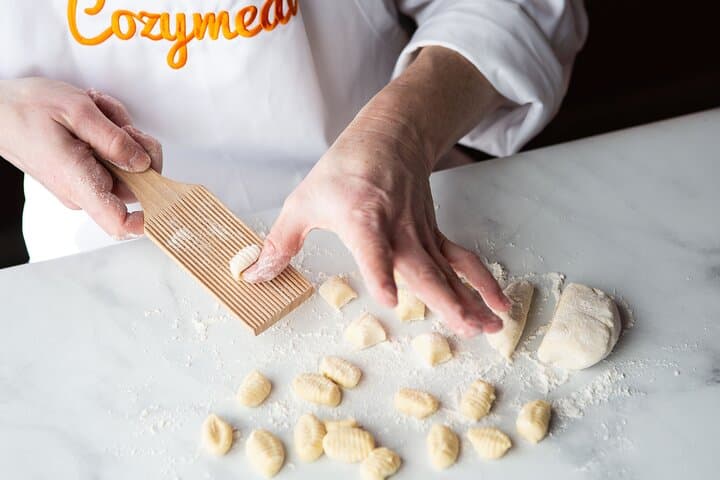
You step into a compact Brooklyn kitchen warmed by steam and garlic, stations lined with flour-dusted boards and a chef who moves with practiced economy. The air smells of olive oil and espresso; a small group gathers around as potatoes cool and conversation breaks into laughter and technique.
Verified experiences and guided adventures in the surrounding area.
Operated by Cozymeal Cooking Classes · Brooklyn, New York
You step into a compact Brooklyn kitchen warmed by steam and garlic, stations lined with flour-dusted boards and a chef who moves with practiced economy. The air smells of olive oil and espresso; a small group gathers around as potatoes cool and conversation breaks into laughter and technique.
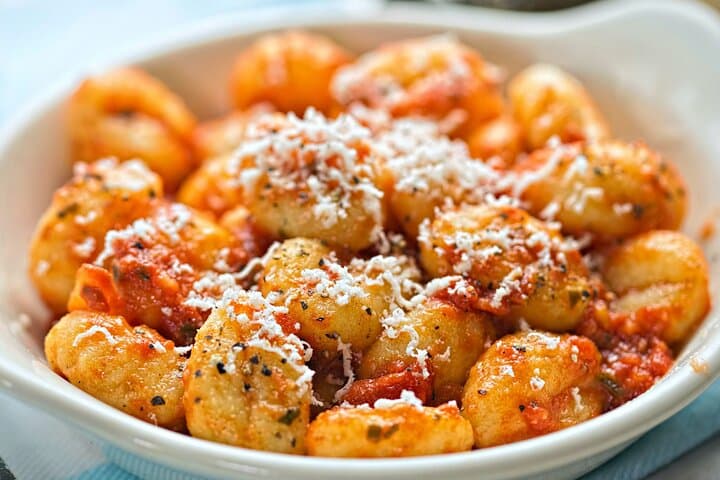
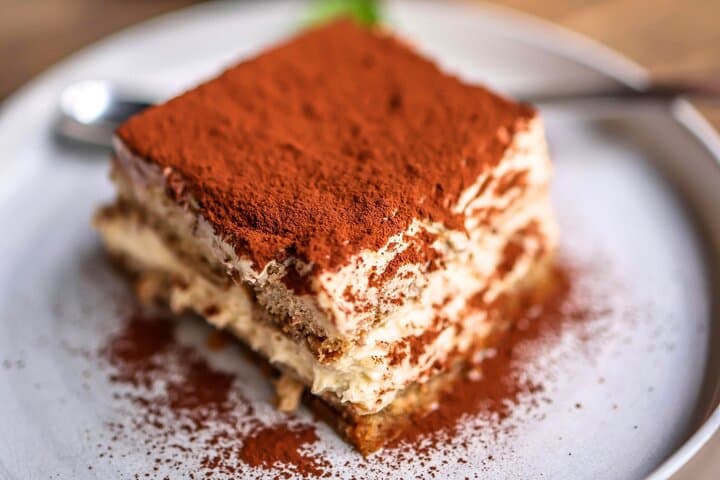
Gnocchi—humble potato dumplings—arrived in Italy as a peasant staple and evolved regionally into delicate pillows that reward careful hands. In New York City, generations of Italian immigrants shaped a culinary culture that blends strict Old World technique with American accessibility; this class sits in that lineage, teaching traditional potato gnocchi alongside a Florentine sauce and tiramisù for dessert.
The venue is intimate by design: four participants, shared instruction, hands-on kneading and rolling, then a communal meal where you plate what you made. Practical details matter — timing for potato cooling, how much flour to add, and the panheat that keeps the sauce bright without collapsing the spinach.
Plan for three focused hours: wear closed-toe shoes and clothes you don’t mind dusted with flour. The chef accommodates dietary needs if notified ahead; guests may bring wine. Public transit and rideshares reach the Brooklyn workshop easily, and the small class size means more individual feedback than a large cooking school.
Expect to leave with techniques you can repeat at home, a fuller palate for Italian pantry staples, and a practical appreciation for how simple ingredients—potatoes, egg, flour—turn into something quietly exacting and rewarding.
easy.
3 hours.
Minimal physical fitness required; standing for the class duration and basic manual dexterity for dough work.
No—this class is designed for beginners and home cooks; the chef provides step-by-step guidance.
Yes—organizers state they can adapt the menu with advance notice; indicate requirements when booking.
Yes—guests are welcome to bring wine or beer to enjoy with the meal; check the venue’s corkage rules if applicable.
The listing notes wheelchair accessibility and service-animal allowance; contact the operator with specific accessibility questions.
Gnocchi traces to regional Italian peasant cooking; Italian immigrants in New York adapted these recipes, helping seed the city’s robust Italian-American food culture.
The workshop emphasizes reducing food waste and can accommodate dietary needs to avoid unnecessary leftovers; consider bringing reusable containers and minimize single-use plastics.
Cozymeal Cooking Classes operates guided outdoor trips and adventures with an emphasis on safety, stewardship, and memorable experiences.
You step into a compact Brooklyn kitchen warmed by steam and garlic, stations lined with flour-dusted boards and a chef who moves with practiced economy. The air smells of olive oil and espresso; a small group gathers around as potatoes cool and conversation breaks into laughter and technique.
You step into a compact Brooklyn kitchen warmed by steam and garlic, stations lined with flour-dusted boards and a chef who moves with practiced economy. The air smells of olive oil and espresso; a small group gathers around as potatoes cool and conversation breaks into laughter and technique.
Gnocchi—humble potato dumplings—arrived in Italy as a peasant staple and evolved regionally into delicate pillows that reward careful hands. In New York City, generations of Italian immigrants shaped a culinary culture that blends strict Old World technique with American accessibility; this class sits in that lineage, teaching traditional potato gnocchi alongside a Florentine sauce and tiramisù for dessert.
The venue is intimate by design: four participants, shared instruction, hands-on kneading and rolling, then a communal meal where you plate what you made. Practical details matter — timing for potato cooling, how much flour to add, and the panheat that keeps the sauce bright without collapsing the spinach.
Plan for three focused hours: wear closed-toe shoes and clothes you don’t mind dusted with flour. The chef accommodates dietary needs if notified ahead; guests may bring wine. Public transit and rideshares reach the Brooklyn workshop easily, and the small class size means more individual feedback than a large cooking school.
Expect to leave with techniques you can repeat at home, a fuller palate for Italian pantry staples, and a practical appreciation for how simple ingredients—potatoes, egg, flour—turn into something quietly exacting and rewarding.