THE ADVENTURE COLLECTIVE® · Independent discovery and booking for outdoor travel

Learn to make potato gnocchi, Bolognese, Caprese, and crème brûlée in a hands-on, small-group class in Downtown Philadelphia. This 2.5-hour workshop blends technique, local food history, and an intimate shared meal.
Learn to make potato gnocchi, Bolognese, Caprese, and crème brûlée in a hands-on, small-group class in Downtown Philadelphia. This 2.5-hour workshop blends technique, local food history, and an intimate shared meal.
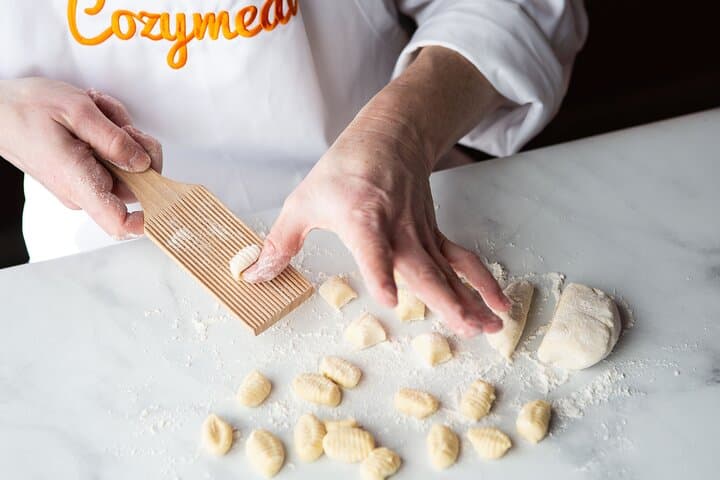
You step into a compact Downtown Philadelphia kitchen and the room tightens around the smell of simmering tomato and warm butter. A single chef moves between stations—flour dusting fingers, a pot humming on a stove—and for the next two and a half hours you become part of the rhythm: boiling, pressing, and shaping potato into pillowy gnocchi.
Verified experiences and guided adventures in the surrounding area.
Operated by Cozymeal Cooking Classes · Philadelphia, Pennsylvania
You step into a compact Downtown Philadelphia kitchen and the room tightens around the smell of simmering tomato and warm butter. A single chef moves between stations—flour dusting fingers, a pot humming on a stove—and for the next two and a half hours you become part of the rhythm: boiling, pressing, and shaping potato into pillowy gnocchi.
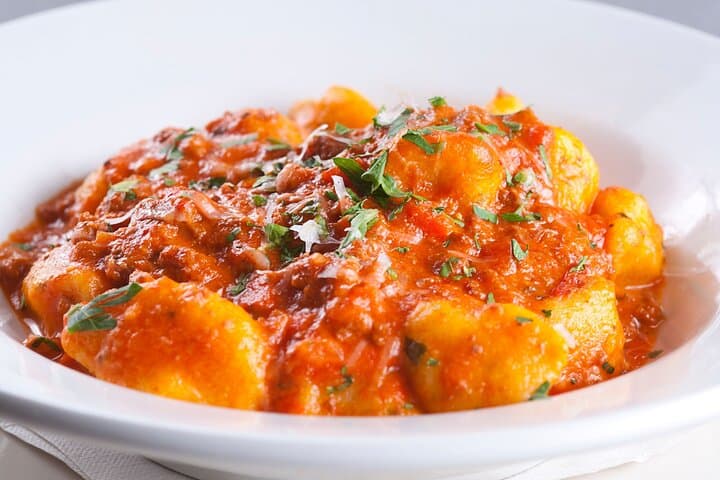
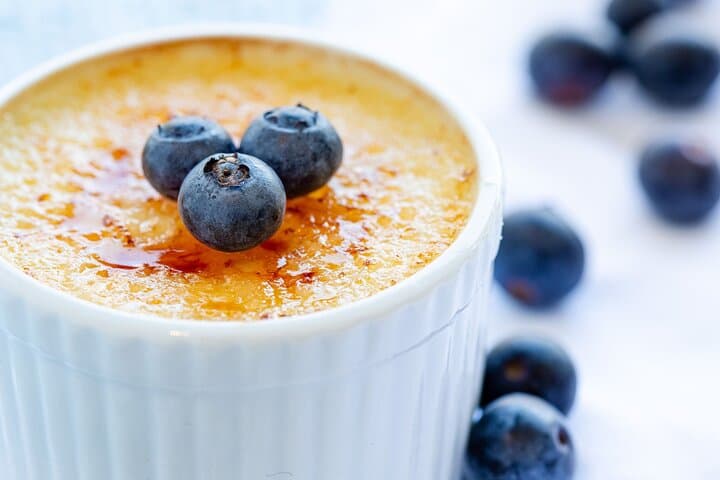
Gnocchi traces its roots to Southern Italy, a humble pasta born of potatoes, flour, and household ingenuity. In Philadelphia the class sits amid a richer culinary story: waves of Italian immigrants who remade city neighborhoods and left behind markets, delis, and recipes adapted to local produce. The lesson here is both technique and lineage; you learn to coax dough with just enough pressure, hear the sizzle as Bolognese reduces, and finish with a custard torched to a brittle caramel.
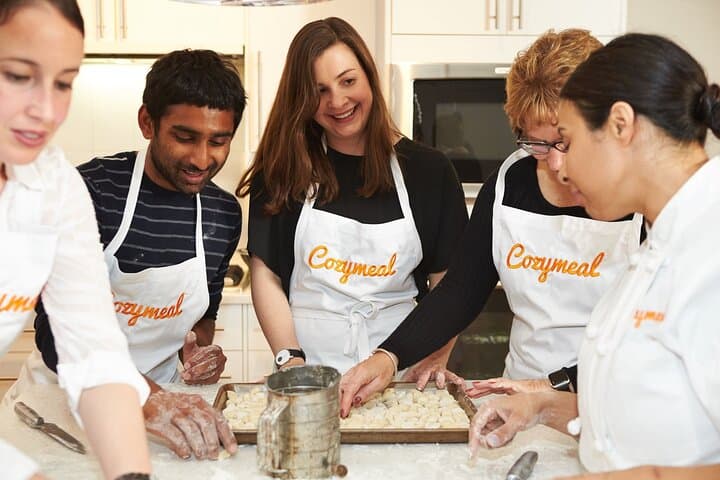
Expect hands-on instruction, small-group pacing, and a convivial table at the end where you taste what you made. The venue is wheelchair-accessible and accommodates dietary requests with advance notice.
Practical guidance: arrive well-fed but ready to stand—this is a working kitchen. Wear closed-toe shoes and clothes you don’t mind a flour smudge on. Plan for a 2–3 hour window, and if you want a drink with your meal, check the host policy and bring it unopened to enjoy after plating. Ask about vegetarian Bolognese or gluten alternatives when you book. This class is as much about skill as it is about the pleasure of sharing a simple, regional meal prepared by hand.
easy.
2–3 hours.
Light physical activity—standing, basic hand dexterity and moderate mobility are sufficient
Yes, hosts can often adapt recipes for vegetarian or some allergies if you notify them before the class.
Guests are welcome to bring bottled wine or beer in many classes; confirm the venue policy during booking.
The venue is listed as wheelchair accessible; contact the operator if you need specific assistance or layout details.
This workshop is limited to six guests for an intimate, hands-on experience.
Philadelphia’s Italian culinary footprint grew from 19th and 20th century immigrant communities; classes like this echo those household traditions adapted to American ingredients.
Hosts often minimize waste by using local produce and encouraging portion-aware cooking; bringing reusable containers for leftovers reduces single-use packaging.
Cozymeal Cooking Classes operates guided outdoor trips and adventures with an emphasis on safety, stewardship, and memorable experiences.
You step into a compact Downtown Philadelphia kitchen and the room tightens around the smell of simmering tomato and warm butter. A single chef moves between stations—flour dusting fingers, a pot humming on a stove—and for the next two and a half hours you become part of the rhythm: boiling, pressing, and shaping potato into pillowy gnocchi.
You step into a compact Downtown Philadelphia kitchen and the room tightens around the smell of simmering tomato and warm butter. A single chef moves between stations—flour dusting fingers, a pot humming on a stove—and for the next two and a half hours you become part of the rhythm: boiling, pressing, and shaping potato into pillowy gnocchi.
Gnocchi traces its roots to Southern Italy, a humble pasta born of potatoes, flour, and household ingenuity. In Philadelphia the class sits amid a richer culinary story: waves of Italian immigrants who remade city neighborhoods and left behind markets, delis, and recipes adapted to local produce. The lesson here is both technique and lineage; you learn to coax dough with just enough pressure, hear the sizzle as Bolognese reduces, and finish with a custard torched to a brittle caramel.
Expect hands-on instruction, small-group pacing, and a convivial table at the end where you taste what you made. The venue is wheelchair-accessible and accommodates dietary requests with advance notice.
Practical guidance: arrive well-fed but ready to stand—this is a working kitchen. Wear closed-toe shoes and clothes you don’t mind a flour smudge on. Plan for a 2–3 hour window, and if you want a drink with your meal, check the host policy and bring it unopened to enjoy after plating. Ask about vegetarian Bolognese or gluten alternatives when you book. This class is as much about skill as it is about the pleasure of sharing a simple, regional meal prepared by hand.