THE ADVENTURE COLLECTIVE® · Independent discovery and booking for outdoor travel

Learn to make fresh fettuccine and authentic gelato steps from the Vatican. This hands-on class pairs practical technique with a shared meal—recipes included.
Learn to make fresh fettuccine and authentic gelato steps from the Vatican. This hands-on class pairs practical technique with a shared meal—recipes included.
Step inside a cool, humming kitchen a short walk from the Vatican Museums: stainless steel bowls clink, citrus and basil perfume the air, and a fluent English-speaking chef guides small groups through flour, egg, and milk.
Verified experiences and guided adventures in the surrounding area.
Operated by Insideat · Rome, Lazio
Step inside a cool, humming kitchen a short walk from the Vatican Museums: stainless steel bowls clink, citrus and basil perfume the air, and a fluent English-speaking chef guides small groups through flour, egg, and milk.
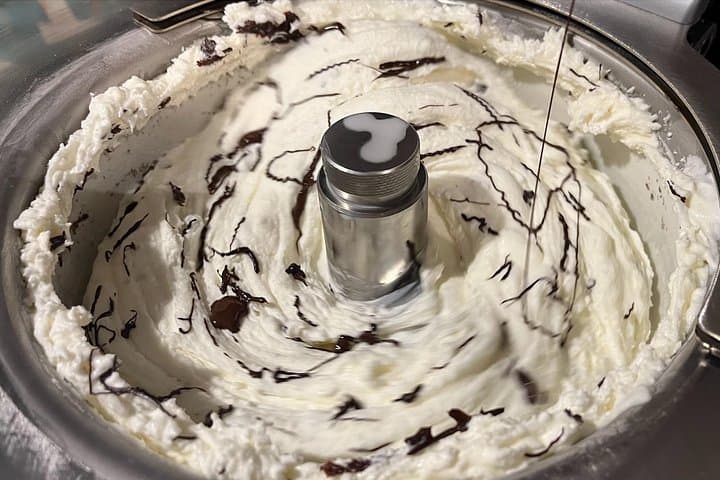
This class places technique over theatrics—students press, fold and roll to form silky fettuccine, then learn why gelato’s lower fat and slower churning produce denser flavor than ice cream. The lesson ties into Rome’s culinary story: pasta shapes and sauces evolved across Italian regions, while gelato’s roots trace back through Renaissance experimentation in flavors and frozen desserts.
Culturally the experience is social—a shared table, a glass of wine, and conversation that mirrors how Romans eat: slowly and with company. The setting also reflects the city’s layers: cobbled streets outside, Baroque facades nearby, and the steady flow of tourists and commuters on their way to St. Peter’s.
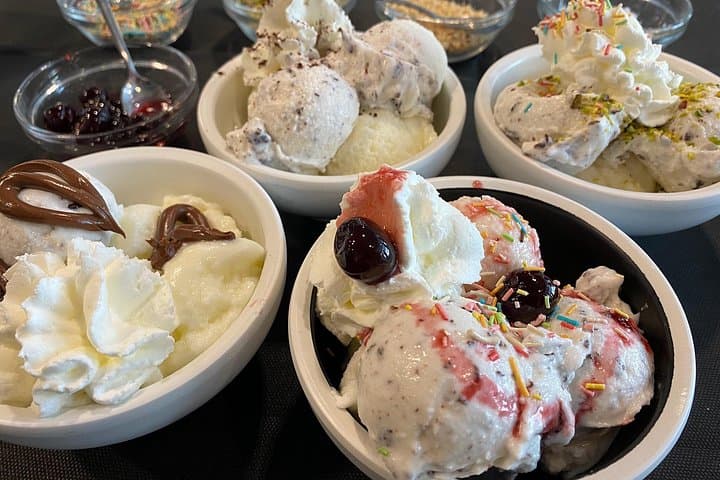
Practically, expect 1.5–2 hours of hands-on instruction plus tasting. The lesson covers ingredient selection, dough kneading, shaping, and two gelato flavors; the chef cooks your pasta and plates it for a sit-down meal. Aprons and utensils are provided; vegetarian, dairy-free, and gluten-free options can be accommodated with advance notice.
Arrive with closed-toe shoes, a willingness to get flour on your hands, and questions—this is a demo-rich, practice-driven class. It’s suitable for beginners and home cooks who want recipes and techniques they can replicate. Leave with recipes, a fuller appetite, and a practical appreciation for why fresh ingredients and simple technique make Italian food feel effortless.
easy.
2–3 hours.
No special fitness required; participants should be comfortable standing for parts of the class.
Yes—this hands-on class is designed for first-timers and casual cooks; the chef demonstrates each step and assists participants.
Yes—vegetarian, dairy-free and gluten-free options are available if you notify the operator ahead of time.
The class is conducted in English by a fluent English-speaking chef; other languages are not guaranteed.
The venue is a short walk from the Vatican Museums—follow signs toward Borgo Pio or Via della Conciliazione and arrive 10–15 minutes early to check in.
Fresh pasta and frozen desserts have long practical roots in Italy—pasta shapes evolved to hold local sauces, while gelato developed from early frozen confection techniques refined in Italian courts.
Many small Roman restaurants prioritize local sourcing and reducing food waste; when booking, ask if the kitchen uses seasonal, locally sourced ingredients or practices composting.
Insideat operates guided outdoor trips and adventures with an emphasis on safety, stewardship, and memorable experiences.
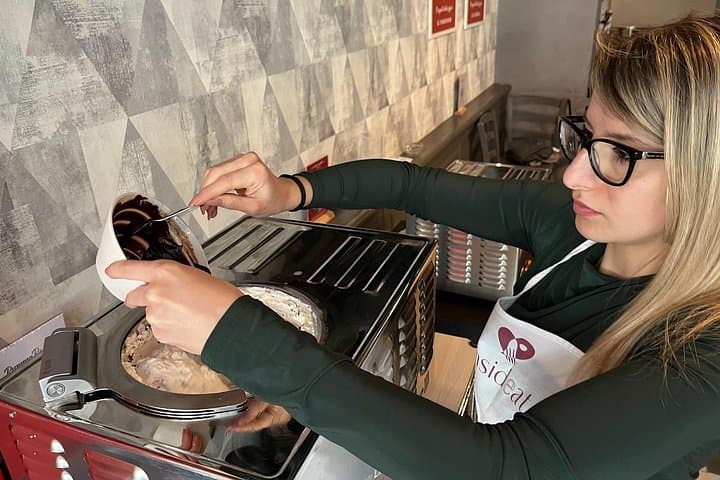

Step inside a cool, humming kitchen a short walk from the Vatican Museums: stainless steel bowls clink, citrus and basil perfume the air, and a fluent English-speaking chef guides small groups through flour, egg, and milk.
Step inside a cool, humming kitchen a short walk from the Vatican Museums: stainless steel bowls clink, citrus and basil perfume the air, and a fluent English-speaking chef guides small groups through flour, egg, and milk.
This class places technique over theatrics—students press, fold and roll to form silky fettuccine, then learn why gelato’s lower fat and slower churning produce denser flavor than ice cream. The lesson ties into Rome’s culinary story: pasta shapes and sauces evolved across Italian regions, while gelato’s roots trace back through Renaissance experimentation in flavors and frozen desserts.
Culturally the experience is social—a shared table, a glass of wine, and conversation that mirrors how Romans eat: slowly and with company. The setting also reflects the city’s layers: cobbled streets outside, Baroque facades nearby, and the steady flow of tourists and commuters on their way to St. Peter’s.
Practically, expect 1.5–2 hours of hands-on instruction plus tasting. The lesson covers ingredient selection, dough kneading, shaping, and two gelato flavors; the chef cooks your pasta and plates it for a sit-down meal. Aprons and utensils are provided; vegetarian, dairy-free, and gluten-free options can be accommodated with advance notice.
Arrive with closed-toe shoes, a willingness to get flour on your hands, and questions—this is a demo-rich, practice-driven class. It’s suitable for beginners and home cooks who want recipes and techniques they can replicate. Leave with recipes, a fuller appetite, and a practical appreciation for why fresh ingredients and simple technique make Italian food feel effortless.