THE ADVENTURE COLLECTIVE® · Independent discovery and booking for outdoor travel

Learn to make tagliatelle and gnocchi in a small, architect-designed penthouse studio in New York. This three-hour hands-on class pairs instruction with an Aperitivo Italiano and ends with Neapolitan ricotta cheesecake and moka espresso.
Learn to make tagliatelle and gnocchi in a small, architect-designed penthouse studio in New York. This three-hour hands-on class pairs instruction with an Aperitivo Italiano and ends with Neapolitan ricotta cheesecake and moka espresso.
The penthouse door opens onto a compact studio where the city hums beneath wide windows and the air smells faintly of semolina and espresso. Under a low-slung skylight, a small group gathers around a central island—bowls of flour, eggs, and warm buttered hands ready for motion. The skyline is a distant, steady companion; inside, the work is tactile and immediate.
Verified experiences and guided adventures in the surrounding area.
Operated by eatwith · New York, New York
The penthouse door opens onto a compact studio where the city hums beneath wide windows and the air smells faintly of semolina and espresso. Under a low-slung skylight, a small group gathers around a central island—bowls of flour, eggs, and warm buttered hands ready for motion. The skyline is a distant, steady companion; inside, the work is tactile and immediate.
This class traces a culinary history that traveled from southern Italian kitchens to New York’s streets with late-19th and early-20th century immigrants. The technique you practice—kneading dough, coaxing potatoes into light gnocchi, lifting long ribbons of tagliatelle—reflects centuries of regional craft grafted onto modern urban life. Geologically, Manhattan’s hard bedrock allowed dense, vertical neighborhoods that concentrated communities; those neighborhoods incubated the Italian food culture still visible in markets and smaller trattorie.
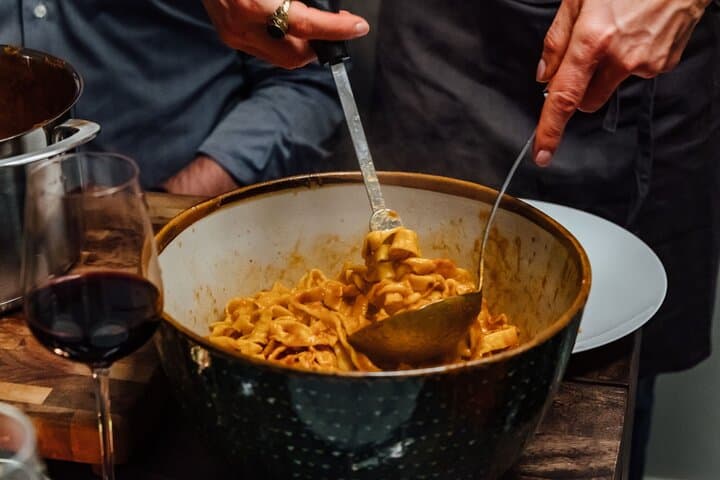
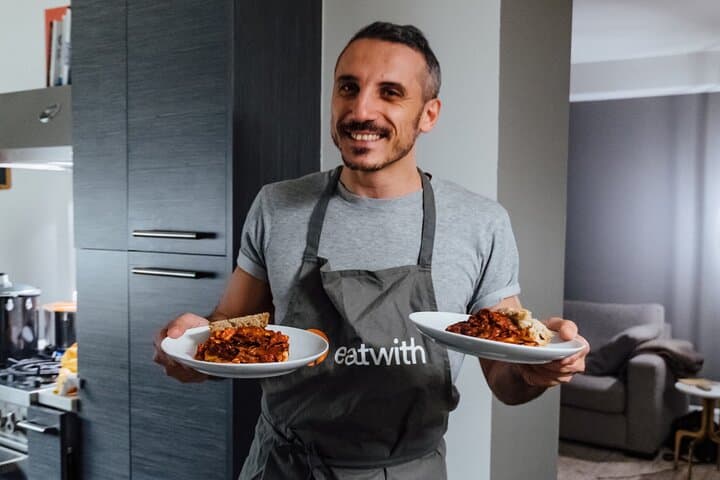
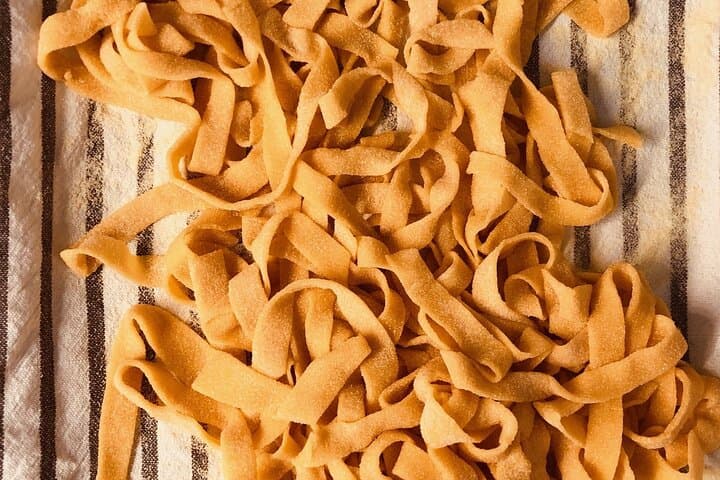
Expect hands-on instruction for two pasta shapes and two sauces (a saffron Bolognese and a bright Sorrentina), an aperitivo start, and a Neapolitan ricotta cake with moka espresso finish. The class runs about three hours, capped at six people for intimate coaching. Practicalities: arrive on time, disclose allergies in advance, and note the venue is wheelchair accessible with nearby public transit.
Bring curiosity and comfortable shoes for standing; leave with recipes, technique notes, and enough confidence to recreate the basics at home. After class, explore a local market for the same flours and produce—this is as much about learning a method as it is about fitting a piece of Italian foodcraft into New York’s fast rhythm.
easy.
3 hours.
No special fitness required; participants should be comfortable standing and moving for several hours.
Yes—this hands-on class is designed for all levels and the instructor guides each step from mixing to shaping.
Yes—guests must communicate restrictions when booking so the instructor can adapt recipes or provide alternatives.
According to the listing, the studio and transportation options are wheelchair accessible—confirm details with the operator if you need specific accessibility features.
Groups are small (up to six), with direct, hands-on coaching and time for questions and tasting during the meal.
Italian culinary traditions arrived with immigrants who shaped New York’s food scene; techniques like fresh pasta and Neapolitan desserts have deep regional roots reflected in local markets and restaurants.
Hosts often minimize waste by using measured ingredients and encouraging composting; consider bringing containers for leftovers and buy seasonal, local produce when possible.
eatwith operates guided outdoor trips and adventures with an emphasis on safety, stewardship, and memorable experiences.
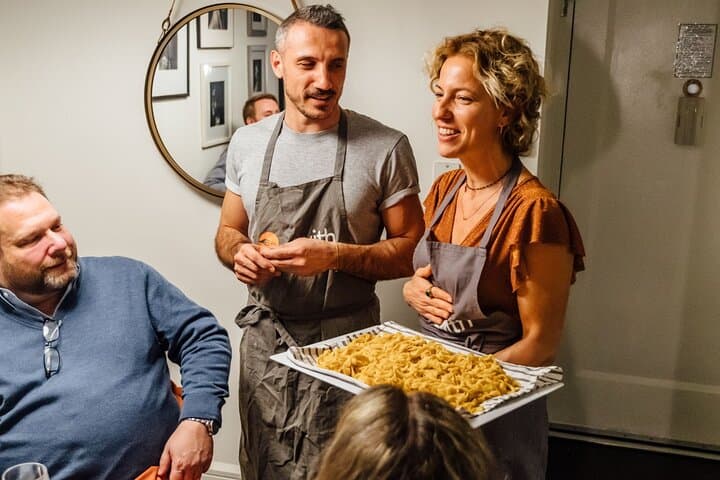
The penthouse door opens onto a compact studio where the city hums beneath wide windows and the air smells faintly of semolina and espresso. Under a low-slung skylight, a small group gathers around a central island—bowls of flour, eggs, and warm buttered hands ready for motion. The skyline is a distant, steady companion; inside, the work is tactile and immediate.
The penthouse door opens onto a compact studio where the city hums beneath wide windows and the air smells faintly of semolina and espresso. Under a low-slung skylight, a small group gathers around a central island—bowls of flour, eggs, and warm buttered hands ready for motion. The skyline is a distant, steady companion; inside, the work is tactile and immediate.
This class traces a culinary history that traveled from southern Italian kitchens to New York’s streets with late-19th and early-20th century immigrants. The technique you practice—kneading dough, coaxing potatoes into light gnocchi, lifting long ribbons of tagliatelle—reflects centuries of regional craft grafted onto modern urban life. Geologically, Manhattan’s hard bedrock allowed dense, vertical neighborhoods that concentrated communities; those neighborhoods incubated the Italian food culture still visible in markets and smaller trattorie.
Expect hands-on instruction for two pasta shapes and two sauces (a saffron Bolognese and a bright Sorrentina), an aperitivo start, and a Neapolitan ricotta cake with moka espresso finish. The class runs about three hours, capped at six people for intimate coaching. Practicalities: arrive on time, disclose allergies in advance, and note the venue is wheelchair accessible with nearby public transit.
Bring curiosity and comfortable shoes for standing; leave with recipes, technique notes, and enough confidence to recreate the basics at home. After class, explore a local market for the same flours and produce—this is as much about learning a method as it is about fitting a piece of Italian foodcraft into New York’s fast rhythm.